Choosing between buying, leasing, or financing a 2026 Chevy Traverse comes down to your budget, driving habits, and long-term goals. Leasing offers lower monthly payments and the latest technology, while financing or buying gives you full ownership, unlimited mileage, and the freedom to customize your SUV. Understanding the pros and cons of each option can help you make a confident decision that fits your lifestyle, whether you drive in Los Angeles, Ventura, Riverside, OC, San Bernardino, or the Inland Empire.
Southern California Chevrolet is here to help every step of the way. With 44 locations across the region, we provide expert guidance on Traverse sales, financing, and leases, along with top-tier service, parts, and support. Call or contact us today to explore your options, schedule a test drive, or find the right Traverse for your needs.
Understanding the Basics: Buying, Leasing, and Financing
When deciding how to get a Traverse, it helps to know the main options: buying, leasing, or financing. Each path has benefits and trade-offs depending on your budget, mileage, and long-term plans. Using a Traverse financing guide can simplify the process and show the costs over time.
Here’s a clear breakdown:
- Buying – Pay the full price over time or up front, own the SUV outright, and have unlimited mileage.
- Financing – Make monthly loan payments until the Traverse is yours, build equity, and plan for long-term ownership.
- Leasing – Lower monthly payments, often include warranty coverage, but have mileage limits and no equity.
Choosing the right path depends on how long you plan to keep the Traverse, how far you drive each year, and your need for flexibility. A good Traverse financing guide helps compare monthly costs, loan terms, and total value for each option.
Benefits and Drawbacks of Leasing a Chevy Traverse
Leasing a Traverse can make sense for drivers who want a new SUV every few years or prefer lower monthly costs. It is also ideal for people who drive less than 12,000 to 15,000 miles per year. Understanding the lease Traverse pros and cons helps you decide if it fits your needs.
Benefits of leasing a Traverse:
- Lower monthly payments than financing or buying.
- Access to the latest technology and trims every few years.
- Warranty coverage reduces repair costs and maintenance worries.
Drawbacks of leasing a Traverse:
- You do not build equity or ownership.
- Mileage limits can lead to extra fees for long-distance drivers.
- Restrictions on customization or modifications.
Leasing works best for drivers in Ventura, Los Angeles, or OC who value flexibility and want predictable costs without long-term commitments.
Advantages and Considerations When Financing or Buying
Financing or buying a Traverse gives you full ownership and long-term control of your SUV. It allows you to build equity, drive unlimited miles, and customize your vehicle. The choice between buy vs lease vs finance Traverse often depends on budget, lifestyle, and how long you plan to keep it.
Advantages of financing or buying a Traverse:
- You own the SUV once payments are complete.
- No mileage limits or wear-and-tear fees.
- Freedom to add accessories, tech upgrades, or towing equipment.
- Long-term cost savings after the loan is paid off.
Considerations to keep in mind:
- Monthly payments are higher than leasing at first.
- You are responsible for maintenance after the warranty ends.
- Depreciation may reduce resale value over time.
Drivers in Riverside, San Bernardino, and the Inland Empire often benefit from financing or buying, especially for families who plan to keep the Traverse for many years. Using a Traverse financing guide can help you see how monthly payments compare to leasing and understand the long-term value of ownership.
Key Factors to Consider Before Deciding
Choosing how to get a Traverse depends on more than just monthly payments. Budget, driving habits, and long-term goals all play a role. A good Traverse financing guide can help weigh your options and show the costs for leasing versus buying.
Factors to consider before deciding:
- Budget: Leasing usually costs less per month, while buying can save money long-term.
- Driving habits: High-mileage drivers may benefit from buying. Low-mileage drivers can save with a lease.
- Ownership goals: Want a new SUV every few years (lease) or a paid-off vehicle (buy/finance)?
- Customization: Buying allows changes and upgrades. Leases limit modifications.
Drivers in Ventura, Los Angeles, OC, Riverside, San Bernardino, and the Inland Empire should match their choice to their lifestyle. Knowing these factors helps make the decision clear and stress-free.
Comparing Chevy Traverse Trims and How They Affect Your Choice
Choosing the right Traverse trim can affect your monthly payments, features, and overall experience. Each trim offers unique options, so it is key to match it to your needs. Understanding the lease Traverse pros and cons can also guide your choice.
Key Traverse trims:
- LT: Starting point with flexible seating, basic tech, and solid comfort. Ideal for families or first-time buyers.
- Z71: Off-road ready with all-terrain tires, terrain mode, and advanced AWD. Great for drivers who explore outdoors.
- RS: Sporty design with upgraded tech and style. Perfect for those who want bold looks and versatility.
- High Country: Premium features, Super Cruise®, and luxury touches. Best for long-term ownership and advanced comfort.
Consider how each trim aligns with your lifestyle. Leasing may be more attractive on higher trims for those who want tech and style without long-term commitment.
Real-World Costs: Monthly Payments and Long-Term Savings
The cost of a Traverse depends on whether you buy, lease, or finance. Using a buy vs lease vs finance Traverse approach helps compare monthly payments and long-term value.
Typical cost considerations:
- Leasing: Lower monthly payments, short-term commitment, ideal for drivers who want a new SUV every few years.
- Financing: Higher monthly payments, builds equity, ownership after the loan ends, and is better for high-mileage drivers.
- Buying outright: Upfront cost is higher, but no long-term payments and full ownership.
Sample scenarios show the difference over three to five years. Drivers who plan to keep a Traverse long-term save more by buying or financing. Short-term drivers often prefer leasing for flexibility and lower payments.
Additional Considerations for Southern California Drivers
Driving in Southern California comes with unique needs. Traffic, long commutes, and family travel make your choice important. Using a Traverse financing guide can help evaluate costs, payments, and the best option for your lifestyle.
Regional factors to keep in mind:
- Ventura & Los Angeles: Urban driving favors shorter leases, latest tech, and low maintenance.
- Riverside & San Bernardino: Longer commutes and high mileage make financing or buying more practical.
- OC & Inland Empire: Families benefit from larger trims, cargo space, and long-term ownership options.
Local climate, road types, and commuting distances all affect the best option. Knowing these details helps choose the right trim and whether to lease, finance, or buy.
Exploring Your Options with the Chevy Traverse
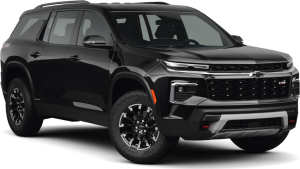
The 2026 Chevy Traverse is a midsize SUV built for families, commuters, and adventure. It offers seating for up to eight passengers, flexible cargo space, and modern technology for comfort and safety. Choosing whether to buy, lease, or finance a Traverse depends on how long you plan to drive, your budget, and your lifestyle.
Key highlights of the Traverse include:
- Seating for 7 to 8 passengers with flexible second-row options.
- Best-in-class cargo space of 98 cubic feet for gear and groceries.
- Advanced technology like Super Cruise®, hands-free driving, and AutoSense Power Liftgate.
- A range of trims from LT to High Country, each with unique features.
Drivers in Ventura, Los Angeles, Riverside, OC, San Bernardino, and the Inland Empire can explore a Traverse to find the right fit. Understanding your options for buying, leasing, or financing will help you make the best choice for your family or commute.
For a Traverse, when is it better to buy, lease, or finance?
Leasing is better for drivers who want lower payments and a new SUV every few years. Buying or financing is better for those who plan to keep the Traverse long-term, want full ownership, and drive higher mileage.
Which option typically minimizes the monthly payment?
Leasing usually has the lowest monthly payments compared to buying or financing.
How do mileage needs affect lease suitability?
Leases are best for drivers with low to moderate mileage, typically under 12,000–15,000 miles per year. High-mileage drivers may face extra fees.
What financing terms are common for Traverse buyers?
Traverse buyers often finance with 48- to 72-month loan terms, depending on budget and credit.
Is financing preferable for long-term ownership savings?
Yes, financing is usually more cost-effective over time for drivers who plan to keep the Traverse for five years or more, as it builds equity and avoids ongoing payments.
Explore Your Traverse Options at Your Local Southern California Chevy Dealers
Drivers in Ventura, Los Angeles, Riverside, OC, San Bernardino, and the Inland Empire can visit Southern California Chevrolet to explore our wide selection of vehicles, including the Traverse. Our team is ready to help with buying, leasing, or financing, and answer questions about features, trims, or payments.
We invite you to compare the Traverse with other Chevrolet SUVs. Learn more about Trax ownership costs, how to make smart finance decisions, and which models are most reliable for your family and daily driving. Our experts can guide you through all options to find what works best for your budget and lifestyle.
Call or contact us today to schedule a test drive, check current offers, or get help with financing. Your next Chevrolet is waiting, and we are here to make the process simple and stress-free.
Disclaimer: All information is provided for general informational and entertainment purposes only. While we strive for accuracy, we cannot guarantee that all content is complete, current, or error-free. Any reliance you place on such information is strictly at your own risk. This article may include opinions and is not endorsed by, or officially affiliated with, any vehicle manufacturer or brand. Always consult official sources – such as the vehicle’s owner’s manual, authorized dealerships, or certified professionals – for the most up-to-date and personalized information.