06-14-24

Classic Chevrolet Muscle Cars: A Southern California Showdown

Southern California's car culture is as iconic as its palm-lined streets and sunsets over the Pacific. At the heart of this culture lie the classic muscle cars, with Chevrolet offering some of the most storied and revered models. From the roaring engines of the '60s to the sleek designs of the '70s, Chevrolet muscle cars not only captured the essence of speed and power but also defined a generation of automotive excellence. In this article, we dive deep into a comparison of these legendary machines—examining their performance, style, and the indelible mark they've left on both the road and car enthusiasts’ hearts. Whether you're a longtime collector or a new admirer, understanding the nuances between these iconic models will deepen your appreciation for what truly makes a Chevrolet not just a car, but a piece of American history.

Revving Through History: Classic Chevrolet Muscle Car Showdown

The golden age of American muscle cars was a time of roaring engines, tire-shredding power, and iconic designs. Chevrolet, with its diverse lineup of performance-oriented vehicles, played a pivotal role in shaping this era. Let's delve into a detailed comparison of the brand's most celebrated muscle cars, exploring their unique characteristics and enduring legacies.

Chevrolet Camaro: The Agile Challenger

Introduced in 1967 to rival the Ford Mustang, the Camaro quickly established itself as a formidable contender in the pony car segment. Its sleek, aerodynamic design, highlighted by a long hood, short deck, and wide stance, exuded a youthful and aggressive aura that resonated with a generation seeking thrills and excitement. The Camaro's bold styling was complemented by a wide range of powerful engines, catering to both budget-minded enthusiasts and those seeking the ultimate in performance. From the base model's spirited V6 to the monstrous big-block V8s found in the legendary ZL1 and COPO models, the Camaro offered something for everyone. Its agile handling and responsive steering made it a joy to drive on winding roads, while its powerful engines delivered exhilarating acceleration that left competitors in the dust. The Camaro's versatility extended beyond the drag strip, as it also proved its mettle on road courses and in the prestigious Trans Am racing series, showcasing its prowess as a well-rounded performance machine.

The Camaro's interior, while not as luxurious as some of its rivals, was functional and driver-focused. The cockpit-style layout placed the driver in command, with all the essential controls within easy reach. The available bucket seats, center console, and sport steering wheel further enhanced the Camaro's sporty character, while the optional Rally Sport (RS) package added visual flair with hidden headlights and unique styling cues.

The Camaro's iconic design and impressive performance capabilities made it a cultural icon, capturing the hearts of car enthusiasts and solidifying its place in automotive history.

Chevrolet Chevelle: The Gentleman's Express

The Chevelle, particularly the SS (Super Sport) variants, embodied a different approach to muscle car performance. While the Camaro catered to the younger crowd with its sporty image, the Chevelle exuded a more refined and sophisticated aura, appealing to a broader audience seeking both comfort and performance.

Its larger size and more luxurious interior made it a practical choice for families and those who desired a comfortable daily driver. The Chevelle's spacious cabin offered ample legroom and headroom for all passengers, while its plush upholstery and available amenities like air conditioning and power windows added a touch of luxury.

However, don't let the Chevelle's elegant demeanor fool you. Beneath its polished exterior lay a potent heart, capable of unleashing tire-smoking power. The Chevelle SS models, especially those equipped with the legendary big-block V8 engines, delivered performance that rivaled even the most hardcore sports cars of the era.

The Chevelle SS 396, with its 6.5-liter V8, was a force to be reckoned with, while the later Chevelle SS 454, with its monstrous 7.4-liter V8, became the stuff of legends, earning a reputation as one of the most powerful and sought-after muscle cars ever produced.

The Chevelle's performance prowess extended to the drag strip, where it dominated in Super Stock and Pro Stock racing. Its robust chassis, powerful engines, and excellent weight distribution made it a formidable competitor, capable of achieving impressive quarter-mile times. The Chevelle's combination of power, luxury, and versatility made it a popular choice among car enthusiasts who wanted a vehicle that could do it all, from cruising down Main Street to dominating at the track

Chevrolet Nova: The Pocket Rocket

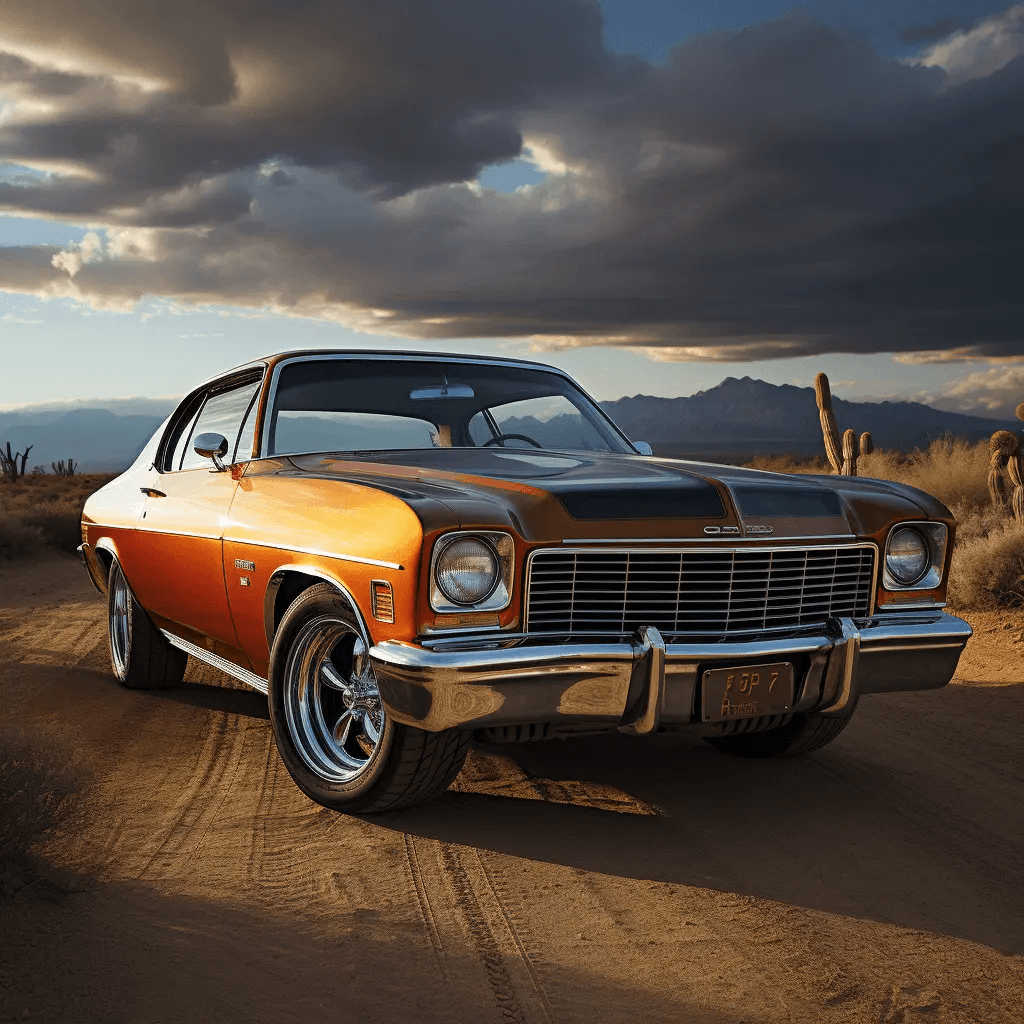
The Chevy II Nova, a humble economy car by design, was transformed into a performance powerhouse with the introduction of the SS (Super Sport) package in 1968. Its unassuming exterior, with its boxy shape and compact dimensions, belied the raw power that lurked beneath the hood. The Nova SS was a wolf in sheep's clothing, a sleeper car that could easily catch unsuspecting rivals off guard.

The Nova SS's compact size and lightweight construction gave it a distinct advantage in terms of agility and handling. It could dart through traffic and carve corners with the precision of a sports car, while its available V8 engines, including the potent 396 cubic-inch big-block, provided the muscle to back up its nimble moves. The Nova SS quickly became a favorite among street racers and drag racers, who appreciated its affordability, performance potential, and underdog status. It was a car that could punch above its weight class, earning it the nickname "pocket rocket." The Nova SS's interior was spartan but functional, with a focus on performance over luxury. Bucket seats, a center console, and a sport steering wheel were available options, adding a touch of sportiness to the otherwise utilitarian cabin. The Nova SS's no-frills approach resonated with enthusiasts who valued performance over pampering, making it a true driver's car that delivered thrills without breaking the bank.

Chevrolet El Camino: The Muscle Truck Hybrid

The El Camino, a unique blend of car and truck, carved its own niche in the automotive world. It was a vehicle that defied categorization, offering the practicality of a pickup truck with the performance of a muscle car. The El Camino's distinctive design, featuring a car-like front end and a pickup truck bed, made it a head-turner on the streets. It was a vehicle that could haul cargo during the week and tear up the drag strip on weekends.

Under the hood, the El Camino shared its powertrain options with the Chevelle, offering a range of V8 engines that delivered impressive performance. The El Camino SS models, with their sporty styling cues, upgraded suspension, and performance-tuned engines, were particularly sought after by enthusiasts who craved a vehicle that could handle both work and play. The El Camino's long bed could easily accommodate tools, equipment, or recreational gear, while its powerful V8 engines provided the grunt to tow trailers or boats.

The El Camino's interior mirrored the Chevelle's, offering a comfortable and spacious cabin with available amenities like air conditioning, power windows, and bucket seats. While not as luxurious as some of its rivals, the El Camino's interior was well-designed and functional, providing a comfortable environment for both work and leisure activities.

The El Camino's unique blend of utility and performance made it a popular choice among a diverse range of buyers, from tradespeople to hot rodders, who appreciated its versatility and unique character.

Chevrolet Impala: The Full-Size Powerhouse

In the golden age of muscle cars, the Chevrolet Impala SS (Super Sport) emerged as a unique contender, blending full-size comfort and luxury with tire-shredding performance. Unlike its smaller, more nimble siblings, the Impala SS offered a spacious cabin that could comfortably accommodate five passengers, making it a practical choice for families and those seeking a more refined driving experience. The Impala SS's interior was adorned with premium materials and features, including plush bucket seats, a center console, and a range of optional amenities such as power windows, air conditioning, and a premium sound system. But the Impala SS was far more than just a comfortable cruiser. Under the hood, it packed a serious punch, with a range of available V8 engines that delivered exhilarating performance. The most potent of these was the legendary 427 cubic-inch big-block V8, which could propel the Impala SS from 0 to 60 mph in a matter of seconds. With its impressive power and luxurious appointments, the Impala SS became a symbol of American automotive excess, a car that could effortlessly combine comfort and performance in a single package.

The Impala SS also made a name for itself on the drag strip, where its powerful engine and sturdy chassis made it a formidable competitor. It was a popular choice among drag racers who wanted a car that could not only win races but also transport their families and friends in style. The Impala SS's enduring legacy as a full-size muscle car with a touch of luxury continues to resonate with car enthusiasts today, making it a sought-after collector's item and a reminder of a time when bigger was often better.

Chevrolet Corvette: The Sports Car Legend

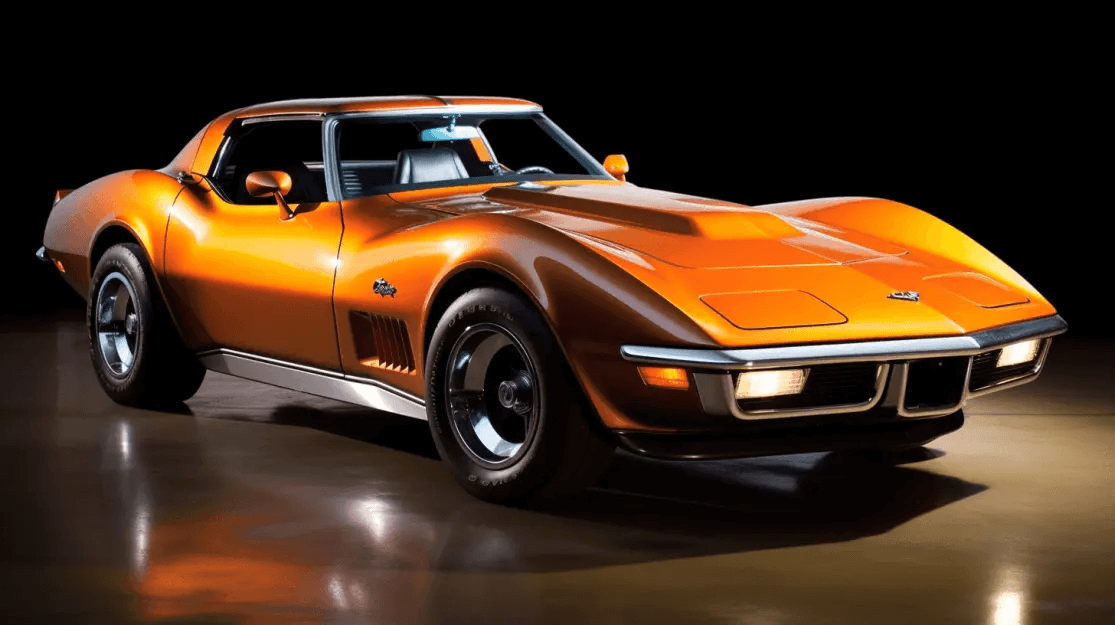
While not traditionally considered a muscle car, the Chevrolet Corvette undoubtedly played a significant role in the muscle car era. With its powerful V8 engines, lightweight fiberglass body, and race-bred handling, the Corvette blurred the lines between sports car and muscle car, offering a unique blend of performance and refinement.

The Corvette's design was a radical departure from the boxy shapes of its contemporaries, with its low-slung profile, aerodynamic curves, and hidden headlights. It was a car that exuded speed and sophistication, a rolling work of art that turned heads wherever it went. Under the hood, the Corvette boasted a range of high-performance V8 engines, each more powerful than the last. The legendary L88 and ZL1 models, with their race-bred components and astronomical horsepower figures, solidified the Corvette's reputation as a performance powerhouse.

The Corvette's prowess wasn't limited to the street. It quickly became a dominant force in road racing, competing in prestigious events like the 24 Hours of Le Mans and the SCCA Trans-Am Series. The Corvette's success on the track further cemented its status as a performance icon, proving that it was more than just a pretty face. The Corvette's enduring legacy as America's sports car is a testament to its performance capabilities, innovative engineering, and timeless design.

Your Gateway to Classic Muscle at Southern California Chevy Dealers

The journey through Chevrolet's muscle car legacy is more than a trip down memory lane; it's a vivid illustration of automotive innovation and cultural impact. These cars were built for more than just driving—they were designed to make a statement, to stand out on the drag strip, and to embody the spirit of freedom and rebellion that was so prevalent during their time. Today, they stand as monuments of engineering prowess and aesthetic boldness, continuing to influence modern car design and culture. For Southern Californians, these muscle cars are not only a nod to a bygone era but also a lasting symbol of the region's deep-seated love for speed and style.

At Southern California Chevy Dealers, we pride ourselves on connecting car enthusiasts with the roaring legacy of Chevrolet muscle cars. These iconic vehicles not only symbolize the golden era of automotive engineering but also continue to captivate the hearts of modern drivers. As you consider adding a piece of history to your garage or perhaps starting a new adventure with a contemporary model, our team at Southern California Chevy Dealers is here to guide you every step of the way.

Explore our New Inventory where the spirit of Chevrolet's muscle cars lives on in new designs, or dive into our Pre-owned inventory that includes certified, time-honored classics waiting to hit the roads again. Take advantage of our tailored Finance Specials and Lease Specials designed to fit your lifestyle and budget, making it easier than ever to own a part of this storied heritage.

For maintenance or upgrades, our expert Service team is committed to keeping your classic running like new. Don't forget to check out our Certified Pre-Owned selection for additional peace of mind with extended warranties and thorough inspections. We invite you to Find Your Nearest Location and visit us for a personalized tour and test drive. Experience first-hand why a Chevy muscle car is more than just a vehicle—it's a journey back in time, powered by innovation and an undying spirit of adventure.

Read More
CATEGORIES »
TAGS »

08-31-23

Chevrolet’s Commitment to Safety: A Historical Overview

Chevrolet Safety Standards: A Century-Long Odyssey of Protective Innovation


In the grand tapestry of automotive history, Chevrolet emerges as a paragon, intertwining innovative engineering with an unwavering commitment to safety. Through every epoch of motoring, from the clinks of early assembly lines to the silent hum of electric powertrains, Chevrolet has been a stalwart guardian, crafting vehicles that shield and serve. This narrative will traverse the milestones of Chevrolet's safety evolution, spotlighting the vehicles that personified these advancements.


The Dawn of Safety: Rugged Frames and Mechanical Integrity

Before electronic assists and sensor arrays, safety was largely physical. Chevrolet's initial foray into automotive protection was characterized by robust frames and reinforced chassis designs. The company championed the use of high-quality materials, ensuring structural integrity.

Models like the classic Chevrolet Camaro are a testament to this era. Beyond its undying charisma and muscular aesthetics, the Camaro's frame was meticulously engineered to safeguard its occupants.


The Age of Awareness: Birth of Electronic Assists

As technology permeated the automotive sphere, Chevrolet harnessed its potential for safety. The twilight of the 20th century saw the integration of anti-lock brakes, ensuring controlled deceleration even under distress. Traction and stability control systems followed, mitigating risks of skids and spins.

The Chevrolet Corvette, an emblem of speed and style, embraced these features. Beneath its athletic exterior and roaring powertrain, Chevrolet imbibed systems that subtly kept drivers secure, even at exhilarating speeds.


Millennial Transition: The Confluence of Connectivity and Caution

The onset of the 21st century heralded an era where vehicles didn't just protect during mishaps—they actively prevented them. Chevrolet began incorporating a suite of sensors and radars, birthing advanced systems like adaptive cruise control, lane departure warnings, and blind-spot monitoring.

The Chevrolet Silverado, a symbol of American strength, seamlessly adopted these technologies. It wasn't just about hauling or towing; it was about ensuring every journey, no matter its purpose, was underlined by safety.


Eco-Safety Fusion: Marrying Sustainability with Protection

With the global pivot toward sustainable motoring, Chevrolet was at the forefront, ensuring that green didn't mean compromising on safety. The Bolt EV, a harbinger of Chevrolet's electric vision, is a prime example. Alongside its zero-emission promise, it boasts a plethora of safety tech, from 360-degree cameras to automatic emergency braking, ensuring that environmental consciousness and safety went hand in hand.


Today and Tomorrow: The Zenith of Proactive Protection

Modern Chevrolet vehicles are a symphony of sensors, systems, and software. Cars like the Chevrolet Traverse and Chevrolet Blazer are not just reactive; they're proactive, predicting potential hazards and taking preemptive actions, often before the driver is even aware.


Chevrolet's journey, spanning over a century, is not just about evolving car designs or more powerful engines. It's a narrative of an undying commitment to human life, a pursuit to make every drive not just exhilarating, but also safe.

"1970 Chevrolet Kingswood Estate" by Christopher Ziemnowicz (CZmarlin), used under CC BY 4.0. Own work.

Read More
CATEGORIES »
TAGS »

08-25-23

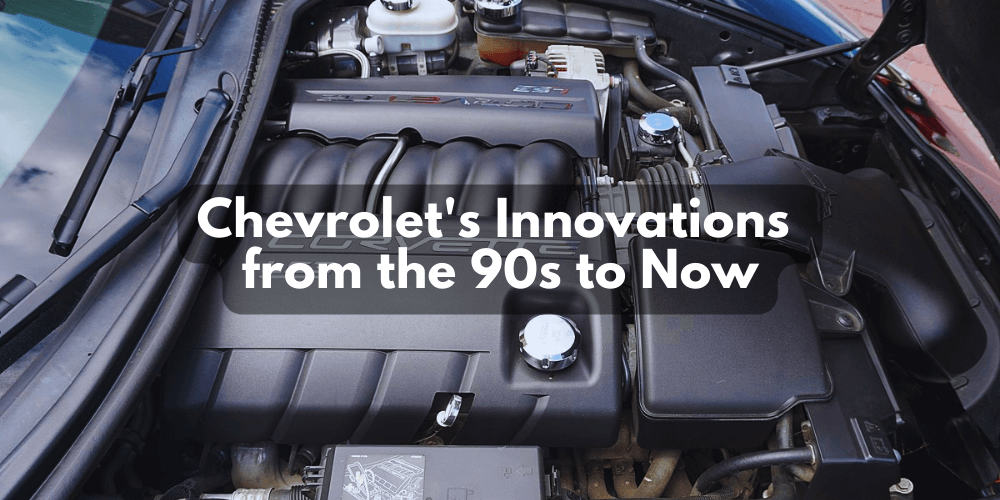
Tech Under the Hood: Chevrolet’s Innovations from the 90s to Now

Tech Under the Hood: Chevrolet's Innovations in Car Technology from the 90s to Now

Since its inception, Chevrolet has been synonymous with innovation and technological advancement. Over the last three decades, in particular, Chevy has pioneered a slew of technological features that have revolutionized the way we drive. From early infotainment breakthroughs to contemporary cutting-edge amenities, let's take a drive through time and explore Chevrolet's tech milestones from the '90s to the present.


Infotainment Revolution of the 90s

In the 90s, Chevrolet began introducing an advanced line-up of infotainment systems. No longer just a radio, cars now offered:

  • CD Players and Multiple Speakers: Enhancing audio quality and the overall listening experience.
  • Steering Wheel Controls: Giving drivers the convenience of controlling music without taking hands off the wheel.

The Camaro, with its muscle-car legacy, adopted these advancements, making every drive not just powerful but entertaining.


The 2000s: Embracing the Digital Age

The dawn of the new millennium saw Chevrolet taking massive strides in car technology:

  • OnStar System: Introduced as a revolutionary safety and communication service, OnStar offered features like emergency services and turn-by-turn navigation. Models like the Tahoe were quick to integrate this feature, offering both luxury and safety.
  • Bluetooth Connectivity: Giving drivers the freedom to sync their phones wirelessly and manage calls and texts safely while on the move.
  • Advanced Cruise Control: Making long drives in vehicles like the Silverado more comfortable, thanks to adaptive systems that adjusted speed based on traffic conditions.

2010s: The Age of Connectivity and Electric Evolution

Chevrolet stepped into the 2010s with an emphasis on sustainability and connectivity:

  • Chevrolet MyLink: This was an infotainment system that offered touchscreen functionality, voice-activated controls, and integration with smartphones.
  • Introduction of the Bolt EV: Chevy's commitment to a sustainable future was clear with the launch of its electric vehicles, starting with the Bolt EV. Packed with innovative features, this vehicle made electric driving accessible and tech-forward.
  • Wireless Charging: A feature that many modern drivers can't live without, models like the Trailblazer and Blazer equipped cabins with pads for wirelessly charging devices.

2020s: Pushing the Boundaries of Innovation

This decade has been a testament to Chevrolet's unwavering commitment to staying ahead of the curve. As the automotive landscape shifts towards sustainable and interconnected solutions, Chevrolet hasn't just kept pace – they've led the charge.

  • Enhanced Driver Assistance Features: With the introduction of features like Lane Keep Assist, Automatic Braking, and Rear Cross-Traffic Alert, models like the Equinox have made roads safer for both drivers and pedestrians.
  • Upgraded Infotainment Systems: Chevrolet has consistently enhanced user experience by incorporating larger touchscreens, faster response times, and more intuitive user interfaces. Whether you’re driving the Corvette or the Traverse, staying connected and entertained has never been so effortless.
  • Continued Commitment to Electric: Chevrolet’s vision for an electric future has expanded, with more models adopting hybrid technologies and full-electric capabilities, ensuring that performance doesn't come at the cost of the planet.

Looking Towards the Future

While Chevrolet has already accomplished so much, there's a sense that they're just getting started. The brand has hinted at further advancements in autonomous driving technology, AI-integrated systems, and broader electric vehicle line-ups. One can't help but be excited for what the future holds, especially when models like the Colorado are ripe for potential tech evolutions.

Chevrolet's journey from the '90s to today isn’t just a story of technological evolution – it’s a testament to their commitment to innovation, safety, and the environment. With every leap and bound, they have redefined what's possible in the automotive world.


"A 2011 Chevrolet Corvette engine at the 2017 Bois d'Arc Spring Car Show in Commerce, Texas" by Michael Barera, used under
CC BY-SA 4.0. Own work.

Read More
CATEGORIES »
TAGS »

08-18-23

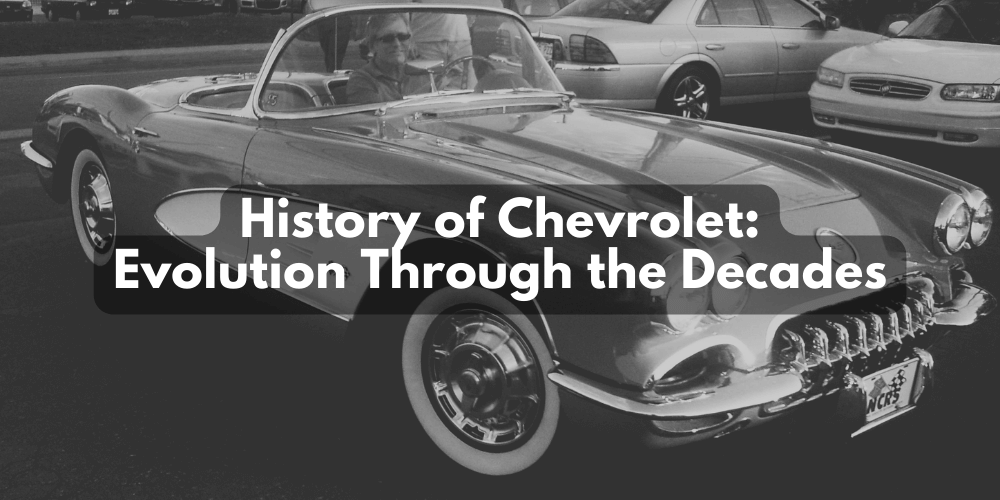
Chevrolet History- Evolution Through the Decades

Since its inception, Chevrolet has held a special place in the heart of automotive history. More than just an automobile manufacturer, Chevy, as affectionately called, represents a legacy. A legacy shaped by innovation, determination, and an unparalleled connection to the spirit of the American road. Each Chevy model, from early sedans to contemporary SUVs, embodies a chapter of this evolution. In this journey through time, we will delve into Chevrolet's remarkable transformation over the decades, showcasing its significance in the car industry. Whether you're a car enthusiast or simply curious, this is a tale of how a brand can truly move generations.


The Early Days (1910s-1930s)

In the bustling era of the 1910s, the world was witnessing a technological revolution. The roar of engines began to replace the clatter of horse hooves on the streets. It was during this dynamic period that Chevrolet introduced its initial models, setting a firm foundation for what would become an automotive empire.

First Models & Their Design:

  • Series C Classic Six: Chevrolet's maiden voyage into the automobile industry was marked by the Series C Classic Six. This flagship model, with its elongated design and meticulous craftsmanship, was the brainchild of Louis Chevrolet himself.
  • 490: Named aptly for its price tag of $490, this model was Chevrolet's answer to Ford's Model T. With a simplistic design and reliability at its core, the 490 became an instant favorite among the masses.

Technological Advancements of the Time:

FeatureDescription
Electrical SystemsThe introduction of electrical starter systems in cars meant that the cumbersome hand-cranking became a thing of the past. Chevy was quick to adapt this in their models.
Hydraulic Brake SystemA leap from the mechanical brake systems, the hydraulic brake system offered improved safety and efficiency. Chevrolet's commitment to safety was evident in its early adoption.
Anti-Knock FuelWith the discovery of tetraethyl lead as an additive, Chevy engines could now operate smoothly without the annoying 'knocking'. This heralded a new era of efficient combustion and performance.

The intersection of Chevrolet's pioneering designs and these groundbreaking technological advancements set the stage for an automotive revolution. As the 1930s approached, with economic challenges on the horizon, Chevrolet's commitment to innovation and affordability positioned the brand as a beacon of hope and reliability for many American families.

The Golden Era (1940s-1960s)

As America emerged from the shadows of World War II, a new sense of optimism swept across the nation. The 1940s to 1960s marked a period of prosperity, innovation, and cultural revolution. For Chevrolet, these decades represented a golden era, a time when some of its most iconic models took to the roads.

Iconic Models of the Period:

  • Corvette: Launched in 1953, the Corvette wasn't just a car - it was a statement. With its sleek design, unmatched performance, and the distinction of being America's first two-seater sports car, the Corvette quickly became a symbol of American motoring excellence.
  • Camaro: Introduced to the world in 1966, the Camaro was Chevrolet's bold answer to the Ford Mustang. With its muscular build and powerful engine, the Camaro not only captured the imagination of car enthusiasts but also solidified Chevy's position in the muscle car segment.

Innovations in Design and Technology:

  1. Streamlined Aesthetics: The curvaceous bodies, tail fins, and chrome detailing became characteristic features of Chevrolet cars of this era.
  2. Power Glide Transmission: Chevrolet introduced the automatic Power Glide transmission, offering drivers smooth shifting and a more comfortable driving experience.
  3. Fuel Injection: A technology ahead of its time, Chevy was among the pioneers to offer mechanical fuel injection in passenger cars, enhancing performance and efficiency.

The Modernization Phase (1970s-1990s)

Entering the final quarter of the 20th century, the automotive world saw rapid advancements in technology and a shift in consumer preferences. While the oil crisis of the 1970s presented challenges, it also spurred innovations. For Chevrolet, it was a time of modernization and redefining its identity.

New Models on the Block:

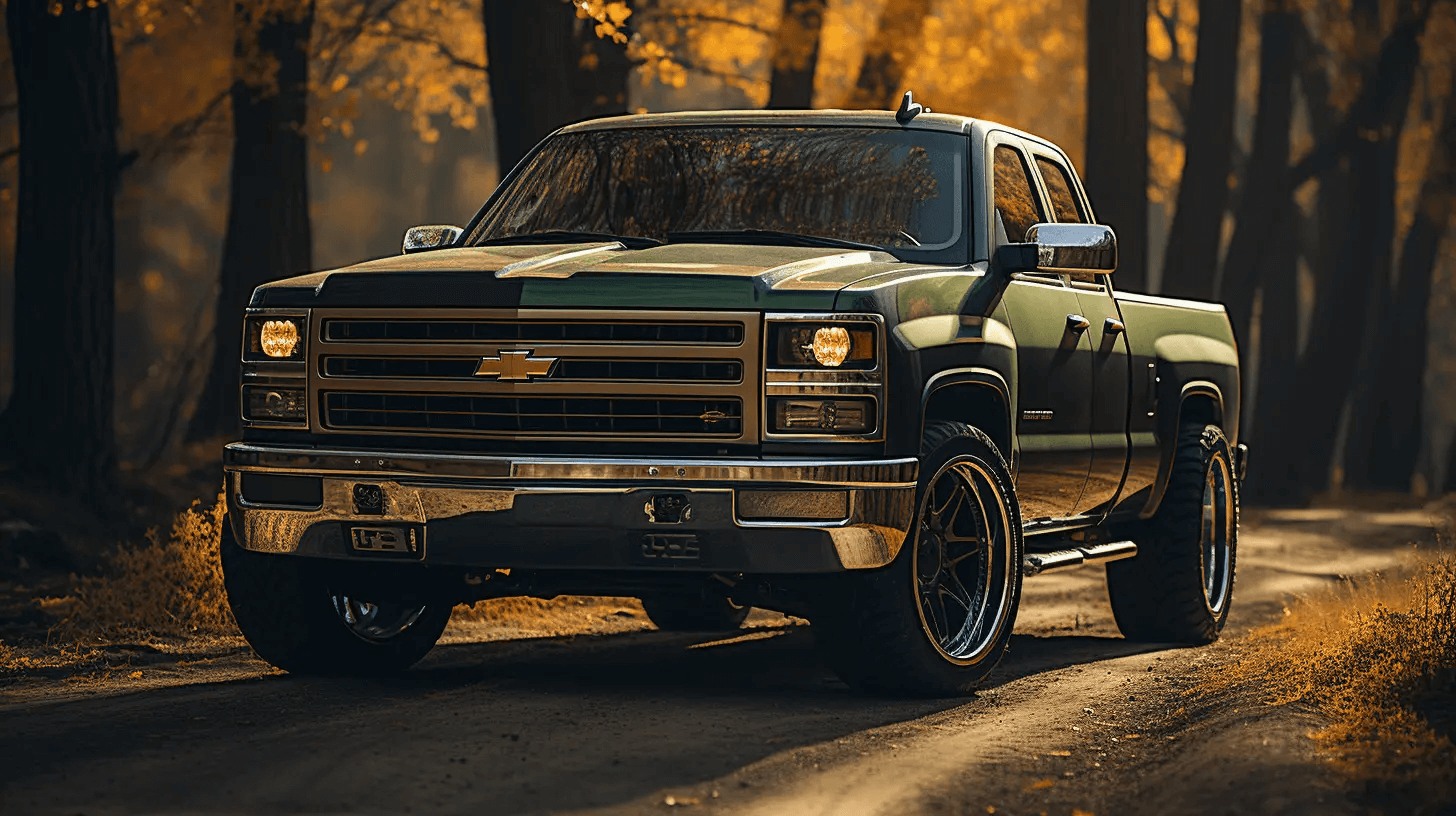
  • Silverado: The birth of the Silverado in the late 1990s redefined Chevrolet's footprint in the pickup truck segment. Combining ruggedness with sophistication, it catered to both work and lifestyle needs.
  • Tahoe: An answer to America's growing love for SUVs, the Tahoe introduced in the 1990s quickly became a favorite. Its spaciousness coupled with robust performance made it ideal for family trips and off-road adventures alike.

Technological Leaps:

  1. Fuel Efficiency: Responding to the oil crisis and growing environmental concerns, Chevrolet invested heavily in improving the fuel efficiency of its cars.
  2. Computerized Engine Control: The 1980s saw the introduction of the computer-controlled combustion in Chevrolet cars, optimizing performance and fuel economy.
  3. Safety Innovations: Anti-lock braking systems, improved crumple zones, and airbags became standard features, underlining Chevrolet's commitment to passenger safety.

The culmination of these advancements during the modernization phase ensured that Chevrolet wasn't just keeping up with the times; it was setting the benchmark.


Entering the 21st Century (2000s-Present)

As the new millennium dawned, the world stood at the precipice of groundbreaking technological advancements. The automotive industry was no exception, and Chevrolet, with its rich legacy, was poised to lead this wave of innovation.

  1. Bolt EV - The Future on Wheels: Chevrolet made a bold statement with the introduction of the Bolt EV. More than just a car, the Bolt EV represents Chevrolet's commitment to sustainable mobility. With impressive range and zero emissions, this electric vehicle challenges the status quo and paves the way for an eco-friendly future.
  2. Sustainability and Tech Integration: Chevrolet's endeavor isn't just about producing electric vehicles; it's about creating a sustainable ecosystem. This includes integrating renewable energy sources in their manufacturing processes and pioneering advanced tech features in their cars for enhanced connectivity and safety.
  3. Evolutions in Design: The Trailblazer and Blazer, while reminiscent of their predecessors, have been redesigned for the modern era. With sharper aesthetics, advanced in-cabin technology, and performance enhancements, these models resonate with the 21st-century driver.

Future Prospects

As we look to the horizon, Chevrolet's vision becomes increasingly clear. The company is set to define the future of mobility, drawing from a century of innovation and leadership.

  1. Colorado and Beyond: The Colorado, known for its versatility and performance, is expected to see further enhancements in technology and efficiency, cementing its place as a favorite among truck enthusiasts.
  2. SUV Dominance with the Traverse and Equinox: The Traverse and Equinox are not just vehicles; they're experiences. With Chevrolet's focus on expanding its SUV and crossover lineup, we can expect these models to be at the forefront, offering state-of-the-art features, impeccable design, and unmatched comfort.
  3. Innovation Continues: Chevrolet's commitment to innovation remains unwavering. Whether it's autonomous driving, furthering electric vehicle technology, or pioneering new forms of connectivity, Chevrolet promises to stay ahead of the curve.

In essence, Chevrolet's journey through the decades is a testament to its resilience, adaptability, and vision. And if the past is any indication, the future is luminous.

Chevrolet's storied journey through the sands of time has been nothing short of spectacular. From the early rumblings of engines in the 1910s to the futuristic hum of electric vehicles today, the brand has been synonymous with innovation, resilience, and a commitment to excellence. Each decade saw Chevrolet pushing the envelope, introducing models that not only redefined automotive design but also captured the zeitgeist of the times. This dynamic evolution is what has etched Chevrolet's name in the annals of automotive history, making it an iconic brand that stands tall, with a legacy that resonates across generations.

But why just read about Chevrolet's illustrious journey when you can experience it firsthand? Dive deep into the evolution, feel the power of decades of innovation under the hood, and relish the blend of history and future. We invite you to visit our dealership and take a test drive of your favorite Chevrolet models. Whether it's the roaring power of the Camaro or the sustainable prowess of the Bolt EV, let every drive be a journey through time. Celebrate Chevrolet - Celebrate Evolution!


Disclaimer: All information is provided for general informational and entertainment purposes only. While we strive for accuracy, we cannot guarantee that all content is complete, current, or error-free. Any reliance you place on such information is strictly at your own risk. This article may include opinions and is not endorsed by, or officially affiliated with, any vehicle manufacturer or brand. Always consult official sources – such as the vehicle’s owner’s manual, authorized dealerships, or certified professionals – for the most up-to-date and personalized information.

Read More
CATEGORIES »
TAGS »

08-08-23

History of Chevrolet: The Beginnings of an Automotive Legend

History of Chevrolet: The Beginning


1. Introduction

In the vast landscape of the automobile industry, few names have stood the test of time quite like Chevrolet. Dive into a captivating journey as we unravel the early days of this iconic brand, a chronicle replete with ingenuity, ambition, and the undying spirit of innovation. For Chevy enthusiasts, this exploration is not just a trip down memory lane but a deep dive into the very foundation that makes Chevrolet so special. Whether you're a proud owner of the modern-day Silverado or an aficionado of classic car lore, this tale promises a riveting experience.


2. The Founders: Who Were They?

  • William C. Durant
    • Origins: A leading figure in the American automobile industry, Durant hailed from Boston, Massachusetts. Born on December 8, 1861, he started as a leading manufacturer of horse-drawn vehicles.
    • Achievements: Durant was not only the co-founder of Chevrolet but also the founder of General Motors. His keen business acumen and ability to foresee industry trends made him an indispensable figure in early automotive history.
  • Louis Chevrolet
    • Origins: Born on December 25, 1878, in La Chaux-de-Fonds, Switzerland, Louis Chevrolet was not just a businessman but a race car driver. His passion for automobiles was evident early on.
    • Achievements: Apart from co-founding Chevrolet, Louis was known for his incredible skills on the race track. His driving prowess won him many races, making him a prominent figure in the racing world.

The inception of the Chevrolet Motor Car Company in 1911 was no coincidence. It was the fusion of Durant's business strategies and Chevrolet's automotive expertise. Their shared vision was not just to create cars but to craft experiences. This collaboration set the stage for what would soon become one of America's most cherished automobile brands.

3. The Dawn of Chevrolet

1911 marked the groundbreaking year when Chevrolet revved its engine for the first time in the sprawling industrial landscape of Detroit, Michigan. The initial headquarters, a modest structure in Detroit, would soon burgeon into a symbol of American automotive excellence.

From the outset, Chevrolet was more than just a company - it was a dream, a vision. Durant and Chevrolet envisioned a brand that personified reliability, innovation, and affordability. Their mission was crystal clear: produce vehicles of outstanding quality that would be accessible to the average American. In doing so, they hoped to redefine transportation, setting new benchmarks in automotive design and performance.


4. Chevrolet's First Models

The early years of Chevrolet were marked by a flurry of design experimentation and technological innovations. The company's first car was the Chevrolet Series C Classic Six, a lavish, well-equipped vehicle that boasted an electric starter and electric headlamps, a rarity for cars in that era.

But Chevrolet's journey of innovation didn't stop there. While the Series C Classic Six laid the groundwork, the brand continually expanded its lineup, introducing vehicles that catered to a wide spectrum of needs and preferences.

Here are a few key early models:

  • Series 490: Introduced in 1915, this model aimed to compete with Ford's Model T in terms of affordability.
  • Superior Series: Launched in the 1920s, these cars were renowned for their durability and became a mainstay in American households.

Fast forward to today, and it's evident how Chevrolet's commitment to innovation has remained unwavering. Take the Silverado, for instance. What began as a reliable utility vehicle has evolved into a modern marvel, blending robust performance with cutting-edge technology.

The early days of Chevrolet set the foundation for a legacy of excellence. Each model, with its unique design and features, played a pivotal role in crafting the brand's illustrious history.


5. Challenges in the Beginning

The nascent years of Chevrolet were not without their fair share of hurdles. The company, while visionary in its approach, had to navigate a landscape that was both competitive and, at times, economically turbulent.

  • Economic Conditions: The early 20th century witnessed a rapidly changing American economy. Industrialization was in full swing, urban centers were growing, and with the First World War looming on the horizon, there were palpable economic uncertainties. These fluctuations often impacted consumer spending, making the sale of non-essential goods, like cars, more challenging.
  • Automotive Competition: Chevrolet wasn't the sole player dreaming big in the automobile industry. Established brands like Ford were already making waves with models like the Model T. To make its mark, Chevrolet had to offer something distinctive—be it in design, performance, or price.
  • Customer Feedback: Initial reactions to Chevrolet's offerings were a mixed bag. While many admired the brand's commitment to quality and innovation, some critiques highlighted areas for improvement. True to its customer-centric ethos, Chevrolet took this feedback in stride, using it as a catalyst for enhancement and growth.

6. Key Milestones in the Early Years

Chevrolet's journey, punctuated by challenges, was also replete with milestones that underscored its growing dominance in the automobile realm.

  • 1927 Sales Triumph: By this year, Chevrolet had outpaced Ford in sales, a testament to its widespread appeal and relentless marketing efforts.
  • Introduction of the Stovebolt Six: In 1929, Chevrolet introduced this iconic inline-six engine, which played a crucial role in establishing the brand's reputation for durability and reliability.

As the brand evolved, it didn't shy away from introducing models that would become nothing short of cultural phenomena. Enter the Corvette and Camaro. Though these models would attain their zenith of popularity in later years, their inception in the Chevrolet lineup hinted at the brand's ambition to conquer diverse market segments—from luxury sports cars to muscular road beasts.

7. Chevrolet’s Role in Shaping the Automobile Industry

Chevrolet's illustrious journey is not just a chronicle of its own milestones but is intrinsically tied to the evolution of the broader automobile industry. Time and again, the brand has been at the forefront, not only reacting to market demands but proactively defining them.

  • Setting Industry Standards: Chevrolet's contributions to the automobile industry go beyond introducing iconic models. They have consistently championed technological advancements, safety innovations, and design philosophies that many other manufacturers have subsequently adopted. Their commitment to excellence, combined with an unerring focus on consumer needs, has rendered Chevrolet a benchmark in the industry.
  • Influential Models: The Chevrolet Tahoe and Trailblazer are prime examples of Chevrolet's industry-shaping prowess. The Tahoe, with its blend of luxury and ruggedness, redefined the full-size SUV segment, while the Trailblazer, with its versatile capabilities, appealed to both city dwellers and adventure seekers alike.

8. The Legacy Continues

As we momentarily pause our deep dive into Chevrolet's storied past, it's exhilarating to imagine what the future chapters might hold.

  • Innovation in Motion: Chevrolet is not a brand that rests on its laurels. With the introduction of cutting-edge models like the Bolt EV, Chevrolet signals its intent to spearhead the electric revolution, reaffirming its position as an industry trailblazer.
  • Explore the Lineup: Our journey has only scratched the surface of Chevrolet's vast and diverse model range. Dive deeper into the world of Chevrolet by exploring models like the dynamic Colorado, the sporty Blazer, the family-friendly Traverse, or the versatile Equinox.

As we journeyed through Chevrolet's inception and its formative years, it's clear that the brand's legacy is built on a foundation of innovation, resilience, and an unwavering commitment to quality. The early challenges Chevrolet faced only served to sharpen its focus and strengthen its resolve, ensuring that each new model, each technological advancement, and each design evolution reflected the brand's dedication to its customers.

Today, as we navigate the bustling streets or traverse rugged terrains in the latest Chevy models, we are not just driving a car; we are experiencing a piece of history. A history that has been meticulously crafted over decades, influenced by visionary leaders, and molded by a team that prioritized the driving experience above all else.

But why stop at just reading about Chevrolet's illustrious journey? Dive deeper into this legacy:

  • Explore More: Eager to know more about Chevrolet's evolution over the decades? Keep an eye out for our upcoming blog posts, which promise to take you on an even more detailed tour through Chevy's history.
  • Experience Chevrolet: Words can only convey so much. To truly understand what sets Chevrolet apart, we invite you to visit our dealership. Whether you're enamored by the roar of the Camaro, the elegance of the Corvette, or the futuristic allure of the Bolt EV, there's a Chevy waiting for you. Schedule a test drive and experience the Chevrolet legacy firsthand.

See you on the open road!

Read More
CATEGORIES »
TAGS »

07-02-23

Unveiling the Relationship: General Motors and Chevrolet – Are They the Same?

General Motors (GM) and Chevrolet are two prominent names in the automotive industry that often intertwine in discussions. However, many people wonder if General Motors and Chevrolet are the same entity or distinct entities within the larger automotive landscape. In this blog post, we will delve into the relationship between General Motors and Chevrolet to shed light on their connection and explain how they operate.

Understanding General Motors:

General Motors, founded in 1908, is an American multinational corporation with its headquarters in Detroit, Michigan. As one of the world's largest automakers, General Motors is known for manufacturing and distributing a wide range of vehicles, including cars, trucks, and SUVs. Some of its popular brands include Chevrolet, GMC, Cadillac, Buick, and more.

The Chevrolet Brand:

Chevrolet, on the other hand, is a brand under the General Motors umbrella. Founded in 1911 by Louis Chevrolet and William C. Durant, Chevrolet has become one of the most recognizable automotive brands globally. Known for producing a diverse lineup of vehicles, Chevrolet offers models that cater to different segments, from compact cars like the Spark and Cruze to iconic sports cars like the Camaro and Corvette. Chevrolet's brand positioning focuses on affordability, reliability, and performance.

The Relationship Between General Motors and Chevrolet:

While Chevrolet is a brand owned by General Motors, it is crucial to note that they are not the same entity. General Motors serves as the parent company overseeing various automotive brands, including Chevrolet. Each brand operates with its own distinct identity, product lineup, marketing strategies, and dealership networks.

General Motors acts as the driving force behind its subsidiaries, providing a centralized platform for research and development, manufacturing, and distribution. The company leverages shared technologies, platforms, and resources across its brands to enhance efficiency and cost-effectiveness. This synergy allows General Motors to deliver innovative vehicles and maintain a competitive edge in the industry.

Collaboration and Platform Sharing:

One aspect that illustrates the relationship between General Motors and Chevrolet is platform sharing. Automakers often employ a strategy known as platform sharing, where the same underlying chassis or architecture is used for multiple vehicle models across different brands. General Motors utilizes this approach to optimize resources and reduce costs while maintaining brand-specific design elements and characteristics.

For instance, General Motors might develop a platform that serves as the foundation for a Chevrolet sedan and a Cadillac SUV. Although these vehicles may differ significantly in terms of styling and features, they share the same core platform, which streamlines development and production processes. This collaboration allows General Motors to deliver vehicles with varied brand identities while maximizing economies of scale.

Marketing and Brand Differentiation:

While General Motors oversees the overall operations and strategy, each brand, including Chevrolet, employs its own marketing campaigns and brand differentiation techniques. Chevrolet focuses on positioning itself as an accessible and versatile brand, appealing to a broad consumer base. On the other hand, Cadillac emphasizes luxury and prestige, targeting a more exclusive segment of the market.

Through these distinct marketing approaches, General Motors ensures that each brand has its own identity and appeals to different customer preferences. This strategy allows General Motors to capture a wider market share by catering to various segments while maintaining the overall strength and synergy of its brand portfolio.

In conclusion, General Motors and Chevrolet are interconnected entities within the automotive industry. While General Motors serves as the parent company overseeing multiple brands, Chevrolet stands out as one of its flagship brands. Understanding the relationship between these entities is crucial to grasp the dynamics of the automotive landscape. General Motors leverages its vast resources, shared platforms, and collaborative efforts to drive innovation and maintain a competitive edge across its brands. Meanwhile, Chevrolet focuses on delivering affordable, reliable, and performance-oriented vehicles to a diverse consumer base. Together, General Motors and Chevrolet exemplify the power of a comprehensive automotive corporation with a portfolio of distinctive brands catering to various market segments.

Read More

07-02-23

Chevrolet & General Motors Milestones: 2008-2021

Welcome to the final installment of our journey through Chevrolet and General Motors' milestones. In this last part, we'll be focusing on the most recent era, from 2008 to 2021.

The past decade has been one of exponential growth and innovation for the auto industry. Chevrolet and General Motors have continued to lead the way, pioneering new technologies, improving sustainability, and setting new standards in design and performance.

In this part, we'll revisit the key milestones that have defined the last 13 years, from the introduction of advanced electric vehicles to significant breakthroughs in autonomous driving technology. We'll explore the trends that have shaped this era and look at how Chevrolet and General Motors have responded to evolving consumer needs and expectations.

Join us as we conclude this exciting journey through Chevrolet and General Motors' rich history. This series may be coming to an end, but the road ahead promises even more thrilling developments.

**2009:** In response to rising gas prices and environmental concerns, GM introduced the Chevrolet Volt, a plug-in hybrid electric vehicle.

**2010:** The Chevrolet Cruze was introduced, which quickly became a global bestseller for the brand.

**2011:** Chevrolet celebrated its 100th anniversary and introduced the new Chevrolet Sonic, a compact car with sporty aesthetics and fuel-efficient performance.

**2012:** GM introduced the Chevrolet Spark, its first mini-car for the U.S. and Canadian markets, targeting urban drivers and first-time buyers.

**2013:** The seventh-generation Chevrolet Corvette (C7) made its debut, bringing back the iconic "Stingray" nameplate.

**2014:** GM introduced the industry’s first front-center airbag in the Buick Enclave, Chevrolet Traverse, and GMC Acadia.

**2015:** The Chevrolet Colorado returned to the U.S. after a two-year hiatus, offering a new midsize pickup truck option for buyers.

**2016:** The Chevrolet Bolt EV, GM’s first long-range, all-electric vehicle, was unveiled, marking a significant step in the company's move towards an all-electric future.

**2017:** Chevrolet introduced the sixth-generation Chevrolet Traverse, offering a complete redesign from the previous models.

**2018:** GM launched the Chevrolet Silverado 1500, with an expanded range of engines, a lighter structure, and advanced technology features.

**2019:** The highly anticipated mid-engine Chevrolet Corvette C8 was revealed, revolutionizing the iconic model.

**2020:** The Chevrolet Trailblazer returned to the U.S. market as a compact crossover SUV, featuring bold and modern styling.

**2021:** GM announced its ambitious plan to become carbon neutral by 2040, focusing on producing electric vehicles and promoting sustainable practices.

Read More

07-02-23

Chevrolet & General Motors Milestones: 1993-2008

Welcome back to our four-part series on Chevrolet and General Motors milestones. In this third part, we'll be exploring the era of 1993 to 2008.

The turn of the millennium saw a new wave of innovation and change in the automotive industry. This period was characterized by groundbreaking advancements in technology, design, and sustainability efforts, with Chevrolet and General Motors once again leading the charge.

From the emergence of electric vehicles to the adoption of cutting-edge technologies, this era was pivotal in setting the stage for the future of transportation. We'll revisit the key models that made their debut during this period, explore the advancements in technology and safety, and celebrate the achievements that have set Chevrolet and General Motors apart.

Stay with us as we uncover the stories behind these milestones and explore how they have influenced the vehicles we drive today.

**1993:** The fifth-generation Chevrolet Camaro was introduced, boasting a more rounded and modern appearance.

**1994:** GM introduced the electric vehicle EV1, becoming the first manufacturer to make an electric car available for lease.

**1995:** Chevrolet introduced the Chevrolet Tahoe, a full-size SUV that has since become a staple on American roads.

**1996:** The OnStar communications system was launched by GM, providing in-vehicle security, hands-free calling, turn-by-turn navigation, and remote diagnostics systems.

**1997:** The iconic Chevrolet Corvette C5 was launched, featuring a new body design, improved handling, and better fuel economy.

**1998:** The Chevrolet Silverado made its debut, becoming one of the best-selling trucks in America.

**1999:** GM acquired the rights to the Hummer name and introduced the H2 and H3 models, known for their off-road capabilities.

**2000:** The Chevrolet Suburban, the longest-running nameplate in automotive history, celebrated its 65th anniversary.

**2001:** The Chevrolet Avalanche, a combination of an SUV and a pickup truck, was introduced, featuring a unique 'midgate' design.

**2002:** The Chevrolet TrailBlazer, a mid-size SUV with off-road capabilities, was introduced and won the North American Truck of the Year award.

**2003:** GM launched the Cadillac XLR, a luxury sports car based on the Chevrolet Corvette's Y-platform.

**2004:** GM reintroduced the Chevrolet Malibu, which was named North American Car of the Year.

**2005:** GM celebrated its production of the 400 millionth engine, demonstrating GM’s global leadership in engine production and technology.

**2006:** GM introduced the Chevrolet HHR (Heritage High Roof), a retro-styled compact SUV.

**2007:** The Chevrolet Tahoe Hybrid, the first GM hybrid passenger vehicle, was introduced, marking a significant shift towards sustainable mobility.

**2008:** GM celebrated its 100th anniversary, marking a significant milestone in the automotive industry

Read More

06-23-23

Chevrolet & General Motors Milestones: 1976-1992

Welcome to the second part of our journey through Chevrolet and General Motors' milestones. In this installment, we move forward from the mid-1970s into the period of 1976-1992.

This era brought a unique blend of challenges and triumphs for the automotive industry. Through economic ups and downs, Chevrolet and General Motors continued to innovate, introducing models and features that have left a lasting legacy.

We're going to explore how these developments reshaped the automotive landscape, from pushing the boundaries of performance and fuel efficiency to pioneering technological innovations. We'll take a closer look at the iconic models that debuted during this period, the advancements in car safety, and the strides Chevrolet and General Motors took in creating more efficient and reliable vehicles.

So, join us as we continue to explore the fascinating history of Chevrolet and General Motors. There's so much more to come!

**1976:** Cadillac Seville, GM’s attempt at creating a smaller yet luxurious vehicle, gained popularity in this year.

**1977:** GM introduced downsized versions of their Chevrolet, Pontiac, Oldsmobile, Buick, and Cadillac full-size cars, which were well-received.

**1978:** The Chevrolet Monte Carlo got a redesign that led to a significant sales boost.

**1979:** GM introduced front-wheel-drive compact cars like Chevrolet Citation, which won Motor Trend’s Car of the Year in 1980.

**1980:** GM launched the Chevrolet Celebrity, a mid-size car that enjoyed strong sales throughout the 80s.

**1981:** The computer command control (CCC) system was launched across all GM lines to help meet EPA fuel economy and emission standards.

**1982:** Chevrolet introduced the third-generation Camaro and its counterpart, the Pontiac Firebird, both icons of 80s car culture.

**1983:** GM launched the Pontiac Fiero, the first two-seater Pontiac since the 1938 coupes.

**1984:** The Chevrolet Corvette C4 was unveiled with a complete redesign

 and featured a unique clamshell hood.

**1985:** GM introduced the Night Vision Assistant system for Cadillac models, making them the first vehicles with night vision technology.

**1986:** The Chevrolet Sprint ER was introduced with a three-cylinder engine, making it one of the most fuel-efficient cars on the market.

**1987:** The Chevrolet Caprice received a significant aerodynamic restyling, boosting sales for the model.

**1988:** GM celebrated its 80th anniversary with the production of its 100 millionth Chevrolet, a milestone in GM's history.

**1989:** The Geo brand was launched by GM as a subdivision of Chevrolet, to compete with the influx of compact, fuel-efficient imports.

**1990:** GM unveiled the revolutionary electric concept vehicle, the "Impact," later known as the EV1, the first mass-produced electric vehicle.

**1991:** The iconic Chevy Suburban was redesigned and rebranded as a ‘luxury' SUV, leading the trend in family-sized luxury vehicles.

**1992:** The one-millionth Corvette, a white convertible, rolled off the assembly line in Bowling Green, Kentucky.

Read More

06-21-23

Chevrolet & General Motors Milestones: 1960-1975 – Part 1


Welcome to the first installment of our four-part series on Chevrolet and General Motors milestones, where we take a nostalgic journey back in time. This series will be a fascinating dive into the evolution of the automobile industry, and more specifically, the innovations and advancements made by Chevrolet and GM. Today, we're starting from the exciting era of the 1960s and will drive through to the mid-1970s.

The 1960s and 1970s were decades of significant change and transformation not only in the world at large but also within the automobile industry. These were the years when Chevrolet and General Motors made their mark with incredible design innovations, performance enhancements, and forward-thinking technologies that have shaped the vehicles we drive today.

In this part of our series, we will walk you through some of the most memorable moments, iconic car models, and industry-shifting developments that came out of Chevrolet and General Motors during these formative years. From groundbreaking sports cars that became cultural symbols, to the development of safety features that set new industry standards, this era was filled with noteworthy milestones.

Fasten your seatbelts and prepare for an incredible journey through automotive history!

  • 1960: Chevrolet introduced the Corvair, the only American-designed mass-produced passenger car featuring a rear-mounted, air-cooled engine.
  • 1961: GM revealed the Chevrolet Nova, a compact car that became an American icon over the decades.
  • 1962: Chevrolet launched the Chevy II Nova Super Sport with bucket seats, a sportier look and feel, distinguishing it from the regular Nova models.
  • 1963: The Chevrolet Corvette Sting Ray, one of the most iconic models in American automotive history, was launched.
  • 1964: GM celebrated the birth of the Pontiac GTO, often credited as the first true "muscle car."
  • 1965: The Chevrolet Caprice was introduced as a luxury trim package for the Impala four-door hardtop sedan.
  • 1966: Chevrolet debuted the Camaro, a classic American muscle car that continues to turn heads today.
  • 1967: The front-wheel-drive Oldsmobile Toronado, one of GM's most innovative models, won Motor Trend’s Car of the Year award.
  • 1968: The bold, third-generation Chevrolet Corvette (also known as the C3) was unveiled, becoming the epitome of 70s car culture.
  • 1969: The high-performance Chevrolet Camaro ZL1 roared into existence, featuring an all-aluminum 427 big-block V8.
  • 1970: The beloved Chevrolet Chevelle SS 454 LS6, featuring the most powerful factory-produced engine, took the muscle car world by storm.
  • 1971: GM introduced the GMC Sprint, a coupe utility pickup sharing design features with the Chevrolet El Camino.
  • 1972: GM produced its 100 millionth automobile, a milestone that marked the company’s dominance in the automotive industry.
  • 1973: The energy crisis led GM to introduce smaller, more fuel-efficient models, setting a new trend in car manufacturing.
  • 1974: GM's response to the rising demand for compact vehicles was the introduction of the Chevrolet Vega and the Pontiac Astre.
  • 1975: Chevrolet launched the Chevrolet Chevette, which became the best-selling small car in the U.S. by 1979.
Read More
CATEGORIES »
TAGS »

GM History Archives - Southern California Chevy

Contact Us:

Name:
Email:
Message: