Battery Repair and Replacements for Your Chevrolet
Is Your Car's Battery Dead? Car Having Electrical Issues?
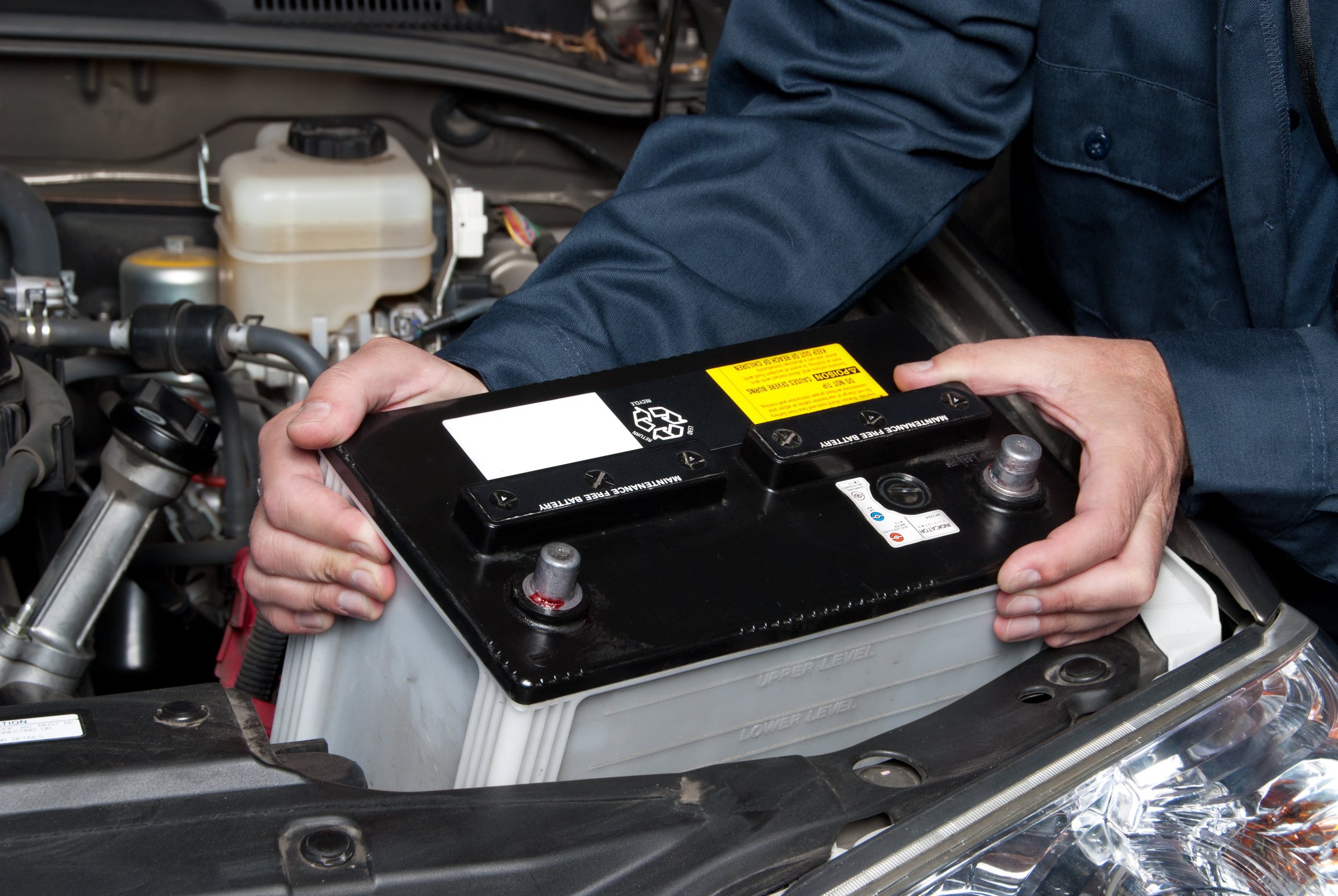
From your car's radio to your car's entire electrical system, your Chevy's battery is essential for driving. If your car's battery is dead, your vehicle is inoperable. Not only can you not drive anywhere, your car, truck, or SUV won't even start up. SoCal Chevy can help! With 44 locations strategically located throughout Southern California you're sure to find a Chevy service center near you to get your vehicle up and running.
Why Are Your Chevy’s Dashboard Lights on?
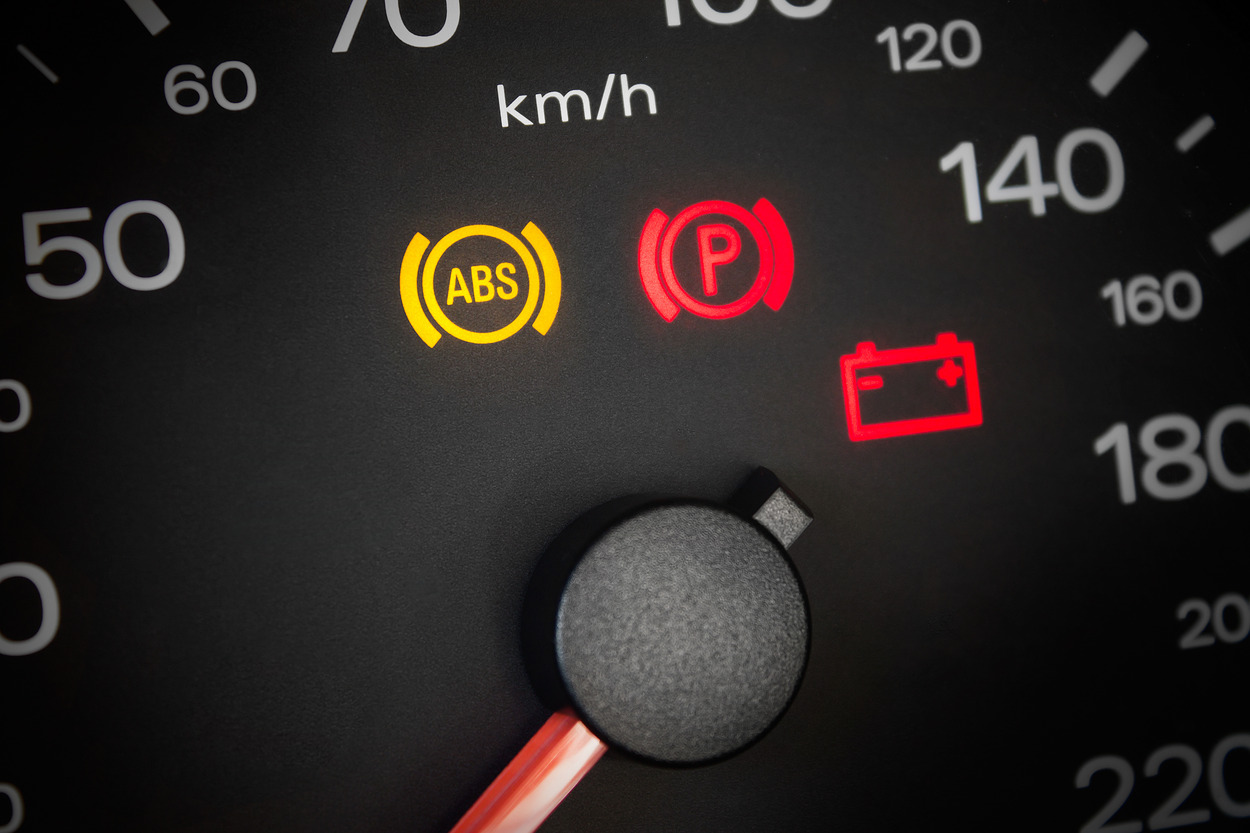
If your Chevrolet won't start or your dashboard lights are flickering, your battery could be the culprit. From powering your ignition to keeping your electronics running smoothly, your car's battery is essential to everyday driving. That’s where Chevrolet battery services come in. Whether you're behind the wheel of a Silverado, Equinox, Trax, or Blazer, regular battery maintenance and timely replacement can keep your ride reliable and ready for the road. With 44 convenient locations across Southern California, your local Chevy dealer is just around the corner and ready to help. Let’s break down everything you need to know about Chevy battery replacement, repairs, and routine maintenance, and why Southern California Chevrolet is your go-to destination for it all.
Should You Add Water to Your Car Battery?
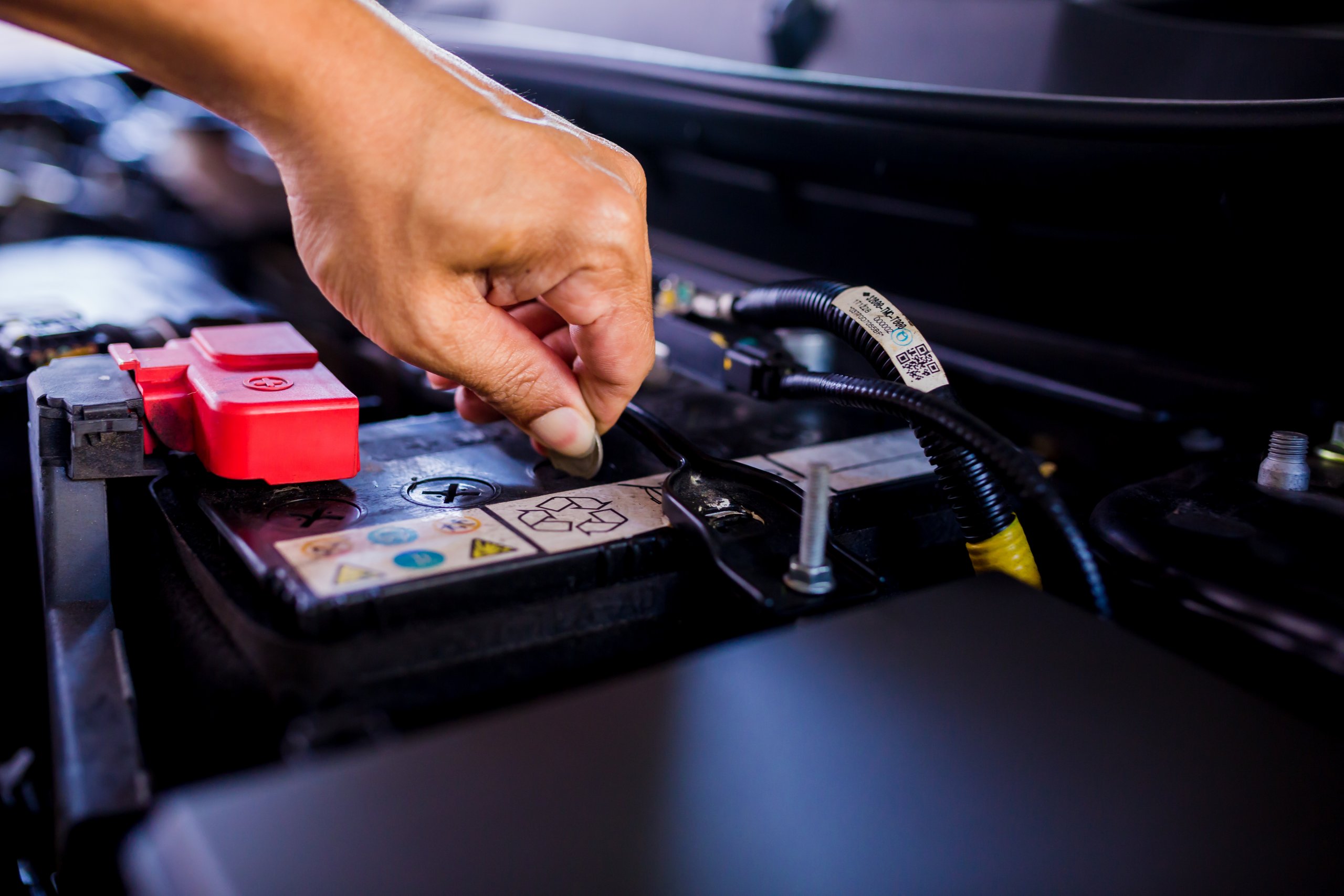
Your car battery uses a mixture of water and sulfuric acid—called the electrolyte—to store and release energy, and the water in this mix is essential for proper function. Over time, especially in hot climates like Los Angeles or the Inland Empire, the water can evaporate due to heat and charging, leading to lower levels that may reduce battery performance. In vehicles like the Chevrolet Colorado, regular battery checks are important to prevent the plates inside the battery from being exposed, which can cause damage. To maintain performance and extend battery life, add distilled water when levels are low—never use tap water, as it contains minerals that can harm internal components—ensuring your Colorado runs reliably and efficiently.
How to Fix Loose Battery Cables
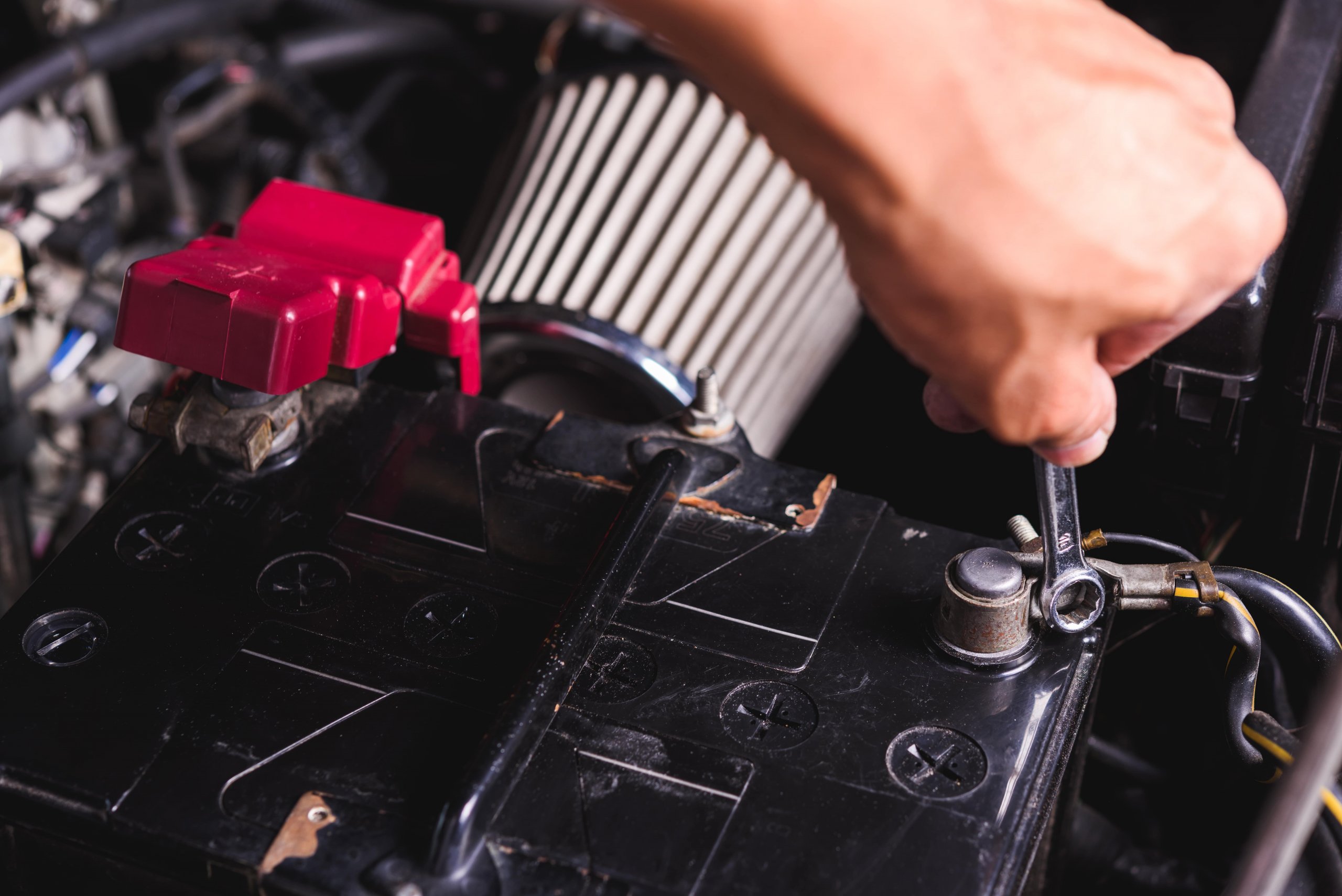
Loose battery cables can prevent your car from starting and may lead to power issues in vehicles like the Equinox, Trax, or Silverado. Common causes include vibration, improper installation, corrosion, or wear over time. To check for loose cables, inspect the battery posts—if the cable ends move, they need tightening. Use a wrench or socket to secure them, and if still loose, use a shim or cotter pin for a snug fit. Always turn off the car and disconnect the negative cable first. If cables are frayed, corroded, melted, or brittle, or if the car still won’t start, it’s time to replace them or call a mechanic. Maintaining battery cables through regular inspection, cleaning, and tightening helps ensure reliable starts and protects your vehicle’s electrical system from more serious damage.
Spotting Battery Corrosion: What You Need to Know
Battery corrosion, often starting as a white or blue powder near the terminals, can cause serious vehicle issues if not addressed early. Signs include trouble starting the car, dim or flickering lights, strange smells, and even stalling. Corrosion blocks power flow, overworks the alternator, shortens battery life, and can damage nearby wires. It’s caused by moisture, heat, leaks, old batteries, or poor maintenance. To prevent corrosion, regularly inspect and clean your battery, tighten connections, use terminal protectors, and park in dry areas. If corrosion persists, cables are damaged, or leaks appear, professional help may be needed to avoid more serious problems.
What Are The Different Types of Car Batteries?
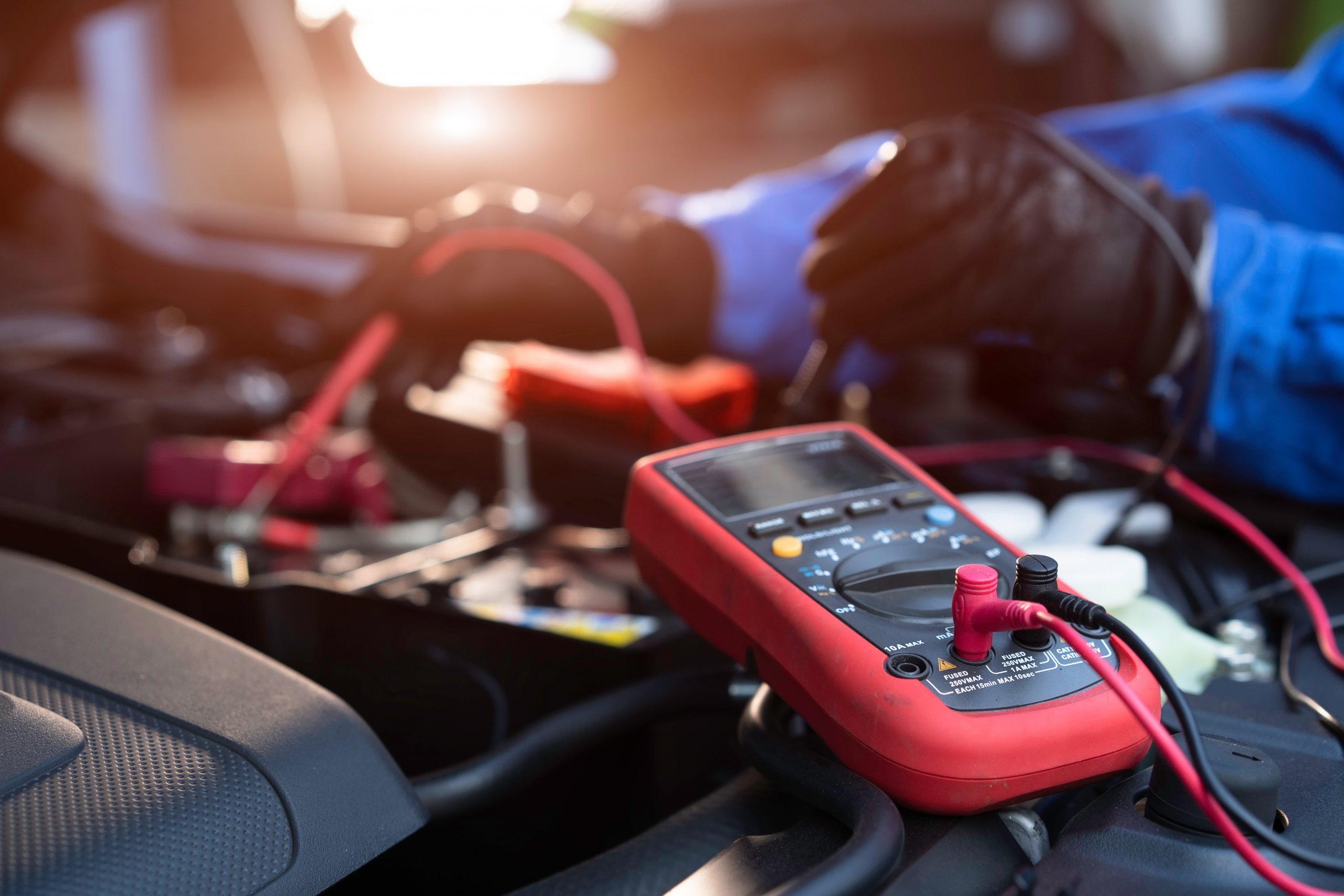
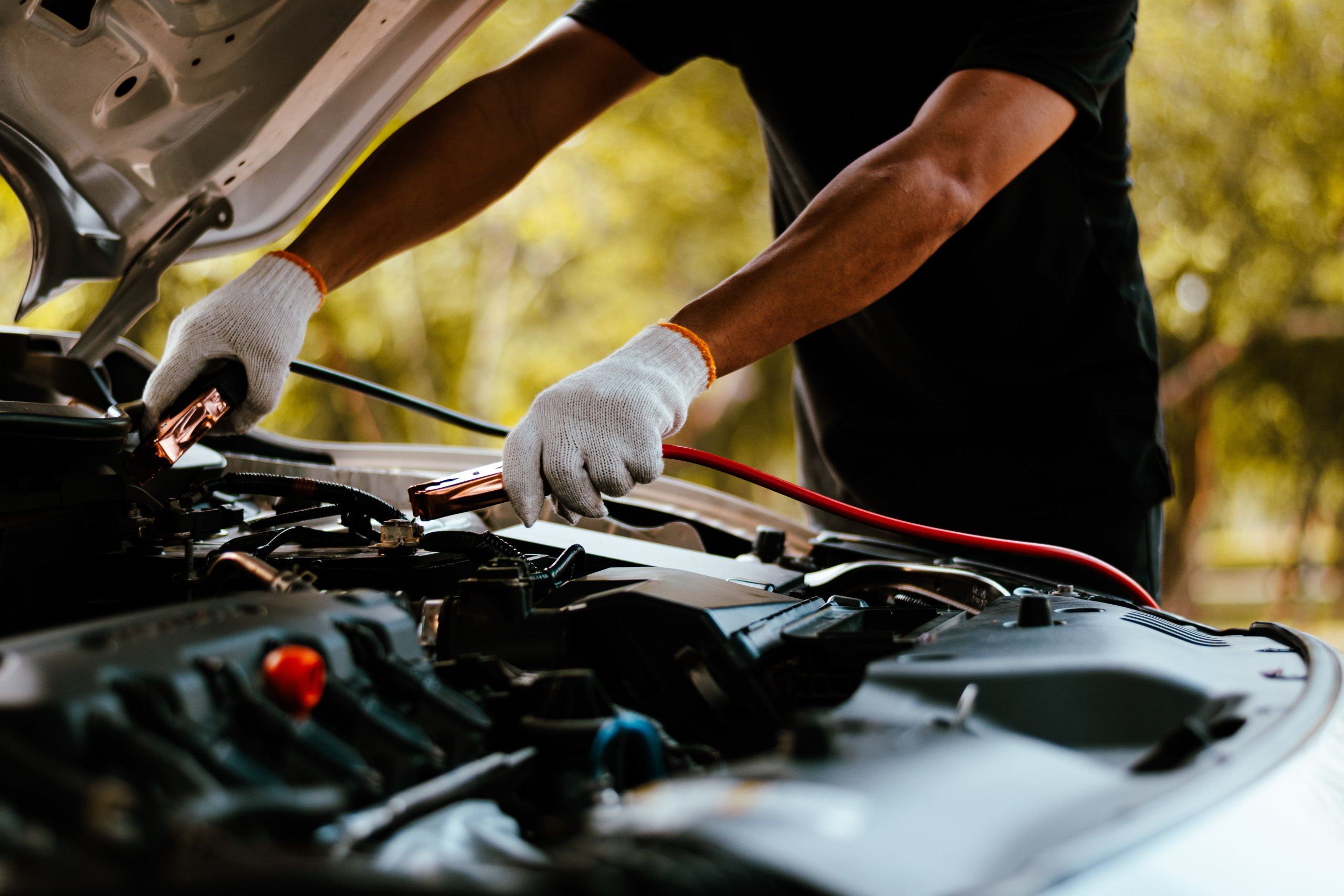
Your car’s battery is more than just a power source—it’s the heartbeat of your vehicle. Whether you drive a rugged Chevy Colorado, a family-friendly Suburban, or a sleek Trailblazer, the right battery ensures reliable starts, smooth performance, and efficient power delivery.
But not all car batteries are created equal. From traditional lead-acid to advanced lithium-ion technology, each type comes with its benefits and drawbacks.
If you're wondering which battery is best for your Chevrolet Tahoe or need a replacement that fits your driving needs, you’re in the right place.
At Southern California Chevy Dealers, we’re here to break down the different types of car batteries and help you make an informed choice. Whether you’re in Los Angeles, Ventura, Orange County, or the Inland Empire, our experts are ready to assist with top-tier service and reliable recommendations.
How Often Should You Change Your Car’s Battery?
No battery lasts forever. And if yours fails without warning, you could be stuck. For drivers of the Chevrolet Trax, this is easy to avoid with basic care and attention to signs of wear.
Good battery maintenance keeps your car strong and ready to go. But even with care, all batteries wear out. Over time, they lose the ability to hold a charge, especially if exposed to extreme heat or cold. Driving habits, short trips, and old electrical parts can also wear the battery down faster.
It’s time to think about a new battery when:
- You’ve had the same battery for more than four years: Most batteries last three to five years. After that, the power starts to fade even if the car still runs.
- Your car needs a jump more than once in a short time: Needing a jump often is a clear sign that your battery may no longer hold enough charge.
- You see white crust near the battery posts: This white or blue crust is corrosion. It can block power flow and harm your car’s electrical system.
- Your lights are dim even with a running engine: Headlights and interior lights should shine bright. If they look weak, your battery may be struggling.
To help you stay ahead of a dead battery, here’s a breakdown of what to expect over time:
- 0 to 3 years old: Battery risk is low. You should still check it once a year to be safe.
- 3 to 5 years old: The risk starts to grow. At this age, testing it more often is a smart move.
- More than 5 years old: The risk is high. Even if you haven't had problems, it's time to plan for a new battery.
Paying attention to these signs helps you avoid getting stranded. With a smart battery care routine, your Trax can stay on the road longer and start strong every time.

Why is Your Chevy Not Starting?
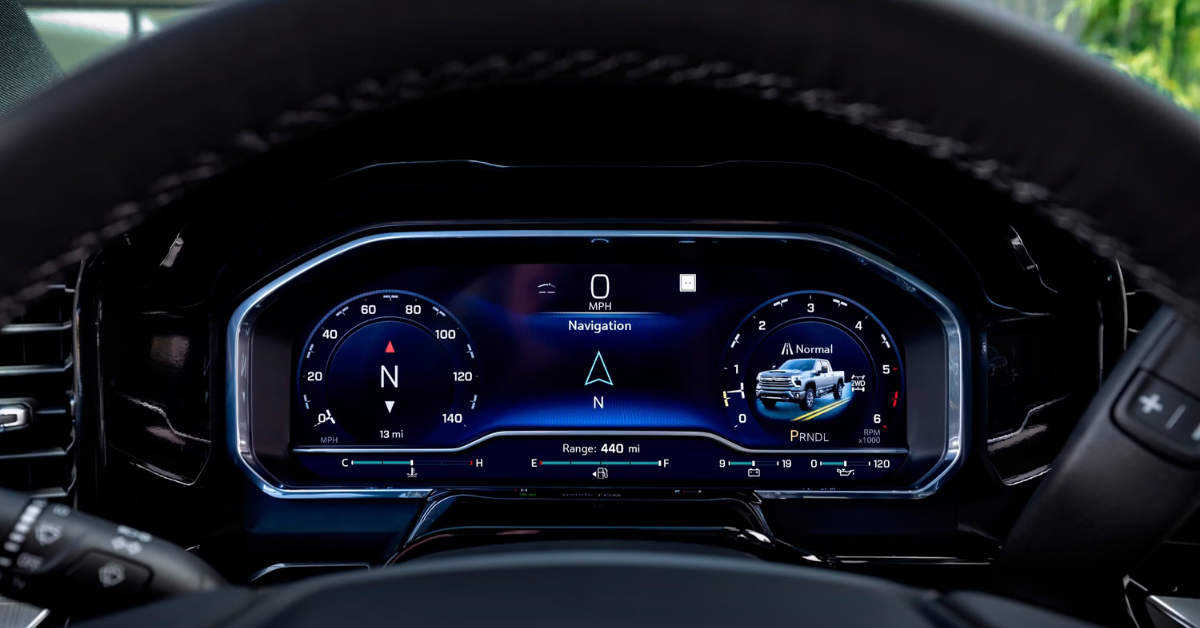
Nothing is more frustrating than turning the key (or pressing the start button) and hearing… nothing. From the rugged Silverado HD to the sleek Malibu, Chevys are built for reliability — but even the best vehicles can sometimes fail to start. Here are the most common reasons why, and what to do about them:
- Dead Battery – The #1 culprit. Signs include dim lights, clicking when you turn the key, or complete silence. A jump-start may help, but older batteries should be tested and replaced.
- Bad Starter Motor – If you hear clicking but the engine won’t turn over, the starter may be worn out. Sometimes a tap can get it going temporarily, but replacement is often required.
- Fuel System Issues – No gas, a clogged filter, or a failing fuel pump can all prevent your Chevy from starting. Listen for the fuel pump hum when you turn the key.
- Ignition or Key Problems – A faulty ignition switch or key recognition system can block the start sequence. Watch for dashboard lights failing to come on or a flashing security light.
- Anti-Theft Lockout – If your lights and radio work but the engine won’t turn, your Chevy’s security system may have mistakenly locked you out. Reset with your fob or follow your manual’s instructions.
If your Chevy still won’t start after these checks, it’s time for a professional diagnostic. Local Chevy service centers can help diagnose any further issues!
Signs Your ECU Needs a Replacement
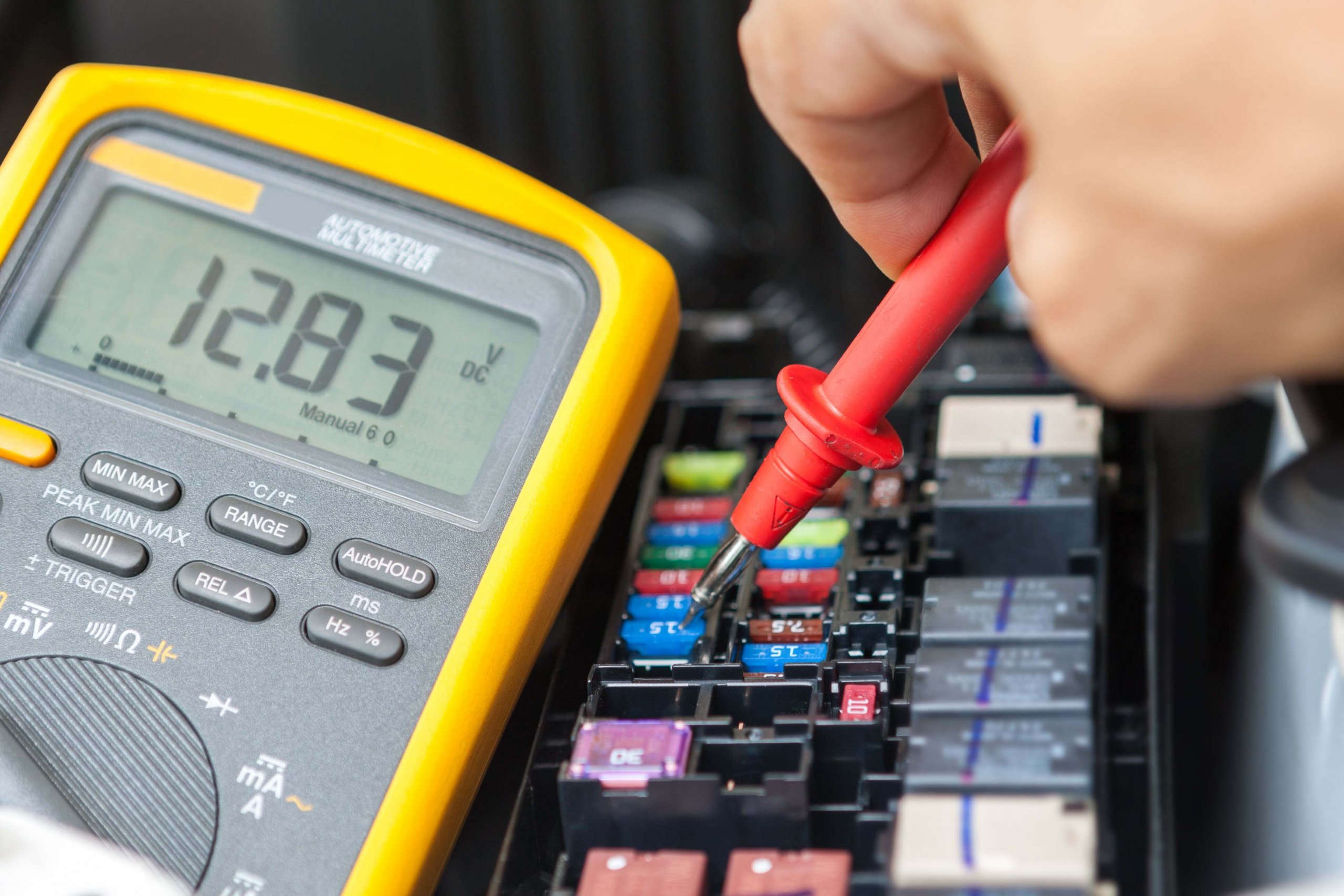
our Chevrolet’s Electronic Control Unit (ECU) is the brain of your vehicle, controlling everything from fuel injection to safety systems. When it starts to fail, your car’s performance and reliability take a hit. Here are the most common warning signs to watch for:
- Check Engine Light – If the light keeps coming back on after other issues are repaired, the ECU itself may be failing.
- Poor Fuel Economy – A faulty ECU can throw off the air-fuel ratio, leading to higher fuel consumption.
- Engine Misfires or Stalling – When the ECU can’t properly regulate timing, you may notice rough idling, stalls, or random misfires.
- Trouble Starting – A weak or unresponsive ECU may prevent your Chevy from starting at all.
- Loss of Power – Hesitation, sluggish acceleration, or sudden power loss can indicate ECU malfunction.
- Failed Emissions Test – Since the ECU manages combustion and emissions, problems here often lead to failed smog checks.
If you notice several of these symptoms in your Chevrolet Colorado, Trailblazer, Suburban, or Tahoe, it’s time for a professional diagnostic scan. In many cases, repair or replacement of the ECU is the only way to restore smooth, reliable performance.
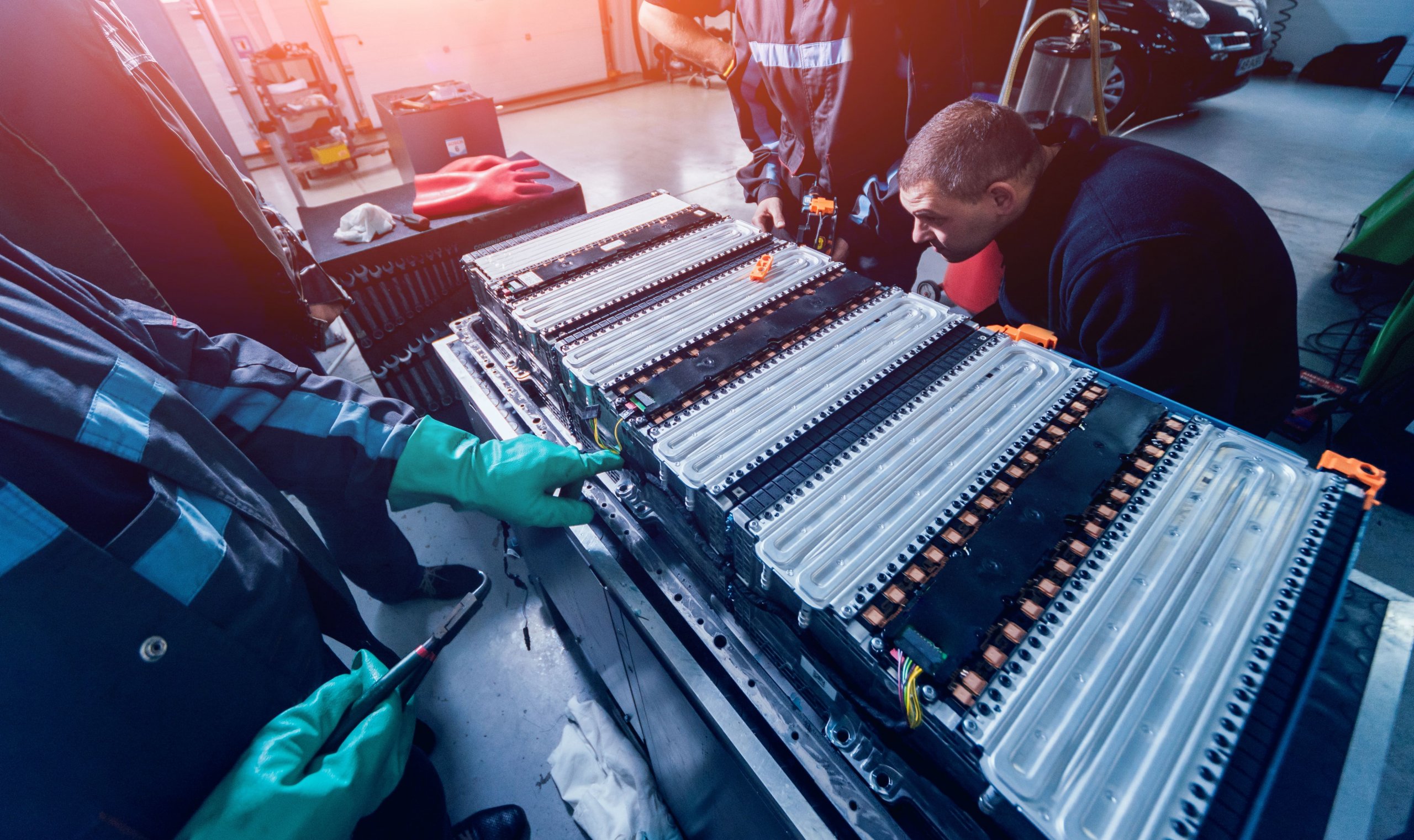
Chevrolet Battery Services for Electric Vehicles (EVs)
Electric vehicles need battery care, too, but it works a bit differently. If you drive a hybrid or fully electric Silverado, you’ll want a tech who knows EV systems.
A Chevrolet battery service for an EV includes:
- Checking charge levels
- Inspecting cooling systems
- Testing the charging port and cables
- Reviewing system software for updates
Because EV batteries last longer and cost more, it’s smart to keep them in top shape. A routine check helps you catch issues before they grow. Southern California Chevrolet offers trusted EV battery care at all 44 of our locations. If your EV needs service, you’re always close to help.
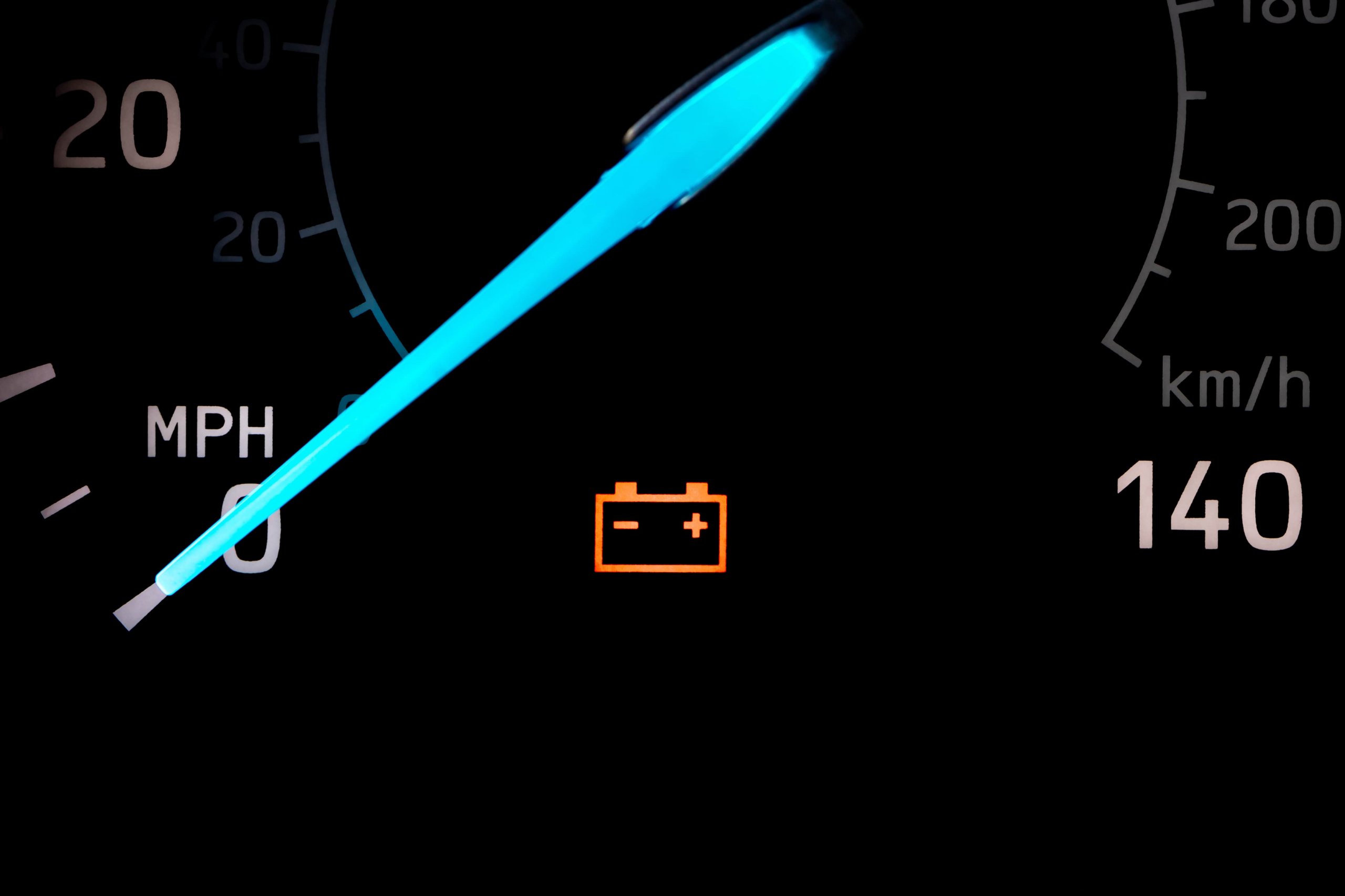
Signs Your Chevy’s Battery Needs Service
Most batteries work well for three to five years. But that doesn’t mean you should wait that long to have them checked. If you drive a Chevy Equinox, it’s smart to plan regular service before issues pop up.
A few signs mean it’s time to schedule Chevrolet battery services:
- Slow engine crank when you try to start the car
- Dim lights or weak sound from the stereo
- The warning light on your dashboard
- Clicking sound instead of a full start
If any of these happen more than once, don’t wait. Bring your vehicle in for a Chevy battery replacement or test. It's fast, simple, and could save you from a tow or worse.
Check your owner's guide for service times. But a good rule is to have your battery checked at least once a year.
Frequently Asked Questions About Chevrolet Batteries
How do I know when my Chevrolet battery needs replacement?
You may need a new battery if it's over four years old, your car needs frequent jumps, your lights are dim, or you see corrosion around the battery posts.
What services are typically included in Chevrolet battery maintenance?
Battery maintenance often includes visual inspection, terminal cleaning, voltage testing, and checking the battery’s charge and health status.
Can I replace a Chevy battery myself, or should I seek professional assistance?
You can replace a Chevy battery yourself if you're comfortable with basic tools and safety steps. However, professional help ensures proper installation and system reset if needed.
What factors affect the lifespan of a Chevrolet battery?
Age, driving habits, climate (extreme heat or cold), and frequent short trips can all reduce battery life.
Are there specific battery options recommended for newer Chevrolet models?
Yes, newer Chevrolet models typically use AGM (Absorbent Glass Mat) or high-performance lead-acid batteries designed for modern electrical demands. Check your owner's manual or ask a certified Chevrolet technician for exact specifications.
What are the signs that my Chevy’s battery needs replacement or recharging?
A weak battery can cause dim headlights, slow engine cranking, or difficulty starting. You may also notice warning lights on your dashboard or experience issues with electrical components like power windows and the infotainment system.
How can I tell if electrical issues are caused by the battery or another component?
If your vehicle struggles to start but runs fine once on, the battery is likely the issue. If electrical problems continue while driving, the alternator, wiring, or another component may be the cause. A professional diagnostic test can pinpoint the problem.
Does my Chevy require a specific type of battery or voltage?
Yes, your Chevrolet requires a battery that meets its specific group size, cold-cranking amps (CCA), and voltage requirements. Always refer to your owner’s manual or consult a certified technician to ensure the correct battery type.
How often should I schedule battery and electrical system checks?
It’s best to have your battery and electrical system inspected at least once a year or during routine maintenance visits. More frequent checks may be needed if you experience performance issues or extreme weather conditions.
Is there a recommended interval for replacing the battery in my Chevrolet?
Most car batteries last between three to five years. However, replacement may be needed sooner if you notice signs of battery failure or frequently drive in harsh weather conditions.
Find a Chevrolet Battery Service Center Near You
When it comes time for a Chevy battery replacement, it’s important to choose a service center you can trust. In Southern California, you're never far from expert help. Whether you own a Trax or another Chevrolet model, finding a service center is easy and convenient.
- Certified Technicians – Our team has extensive training in Chevrolet’s electrical systems, ensuring accurate diagnostics and quality repairs.
- Genuine Chevy Parts – We use only parts designed for your vehicle, guaranteeing performance and long-term reliability.
- Comprehensive Service – Whether it’s a battery replacement or troubleshooting your Chevy charging system, we provide thorough, efficient service to get you back on the road with confidence.
With a quick search, you can easily find the right service center for your Chevrolet’s needs. Keep your battery in peak condition with trusted, professional care just around the corner.
If you're driving a Chevy or planning to maintain one, understanding how to care for your battery is key.
Disclaimer: All information is provided for general informational and entertainment purposes only. While we strive for accuracy, we cannot guarantee that all content is complete, current, or error-free. Any reliance you place on such information is strictly at your own risk. This article may include opinions and is not endorsed by, or officially affiliated with, any vehicle manufacturer or brand. Always consult official sources – such as the vehicle’s owner’s manual, authorized dealerships, or certified professionals – for the most up-to-date and personalized information.