
11-14-25

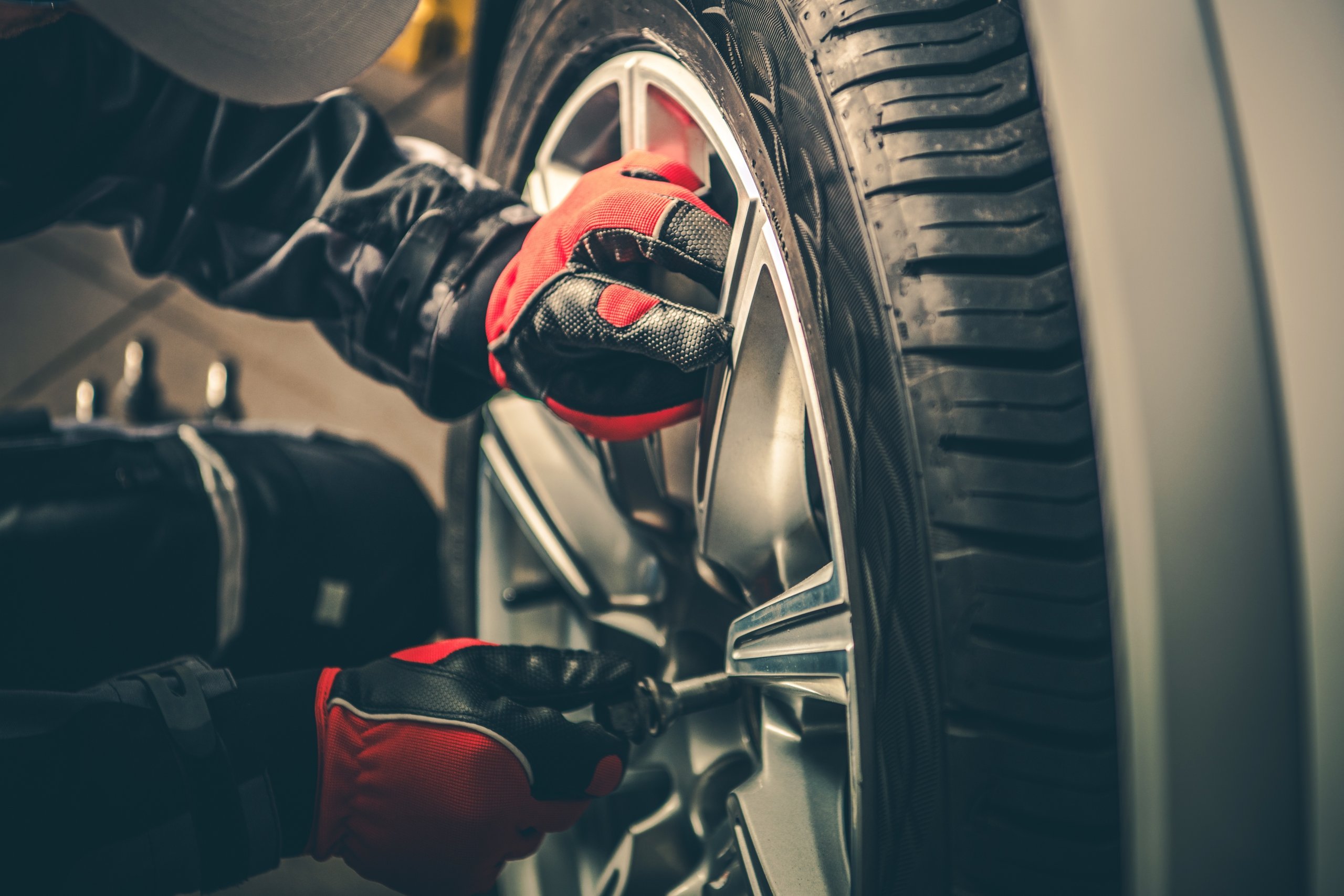
How to Put Chains on Your Car: Step-by-Step Guide

Equipping your vehicle with tire chains is one of the most effective ways to stay safe and maintain control in snowy or icy conditions. By gathering the right supplies, selecting the correct tires, and following a clear step-by-step chain installation process, drivers can ensure maximum traction and reduce the risk of slipping on winter roads.
Read More

10-24-25

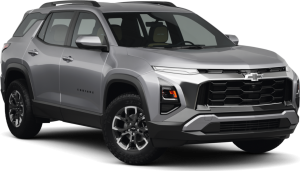
Chevy Equinox Ownership & Maintenance Costs: [2026 Guide]

At Southern California Chevrolet, we are dedicated to serving drivers across Ventura, Los Angeles, Riverside, OC, San Bernardino, and the Inland Empire. Our team is here to support all your automotive needs, from finding the perfect Chevy vehicle to expert service, genuine parts, and ongoing maintenance.
Read More
TAGS »

08-29-24

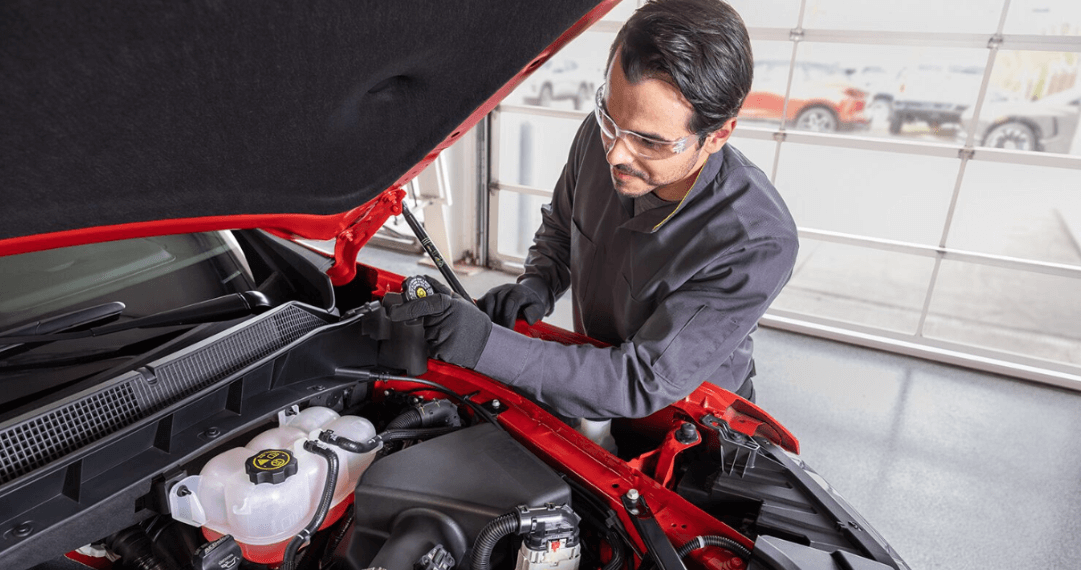
The Importance of Fluid Checks and Tire Maintenance for Your Vehicle

Living in Southern California means enjoying beautiful weather and scenic drives year-round. Whether you're cruising down Pacific Coast Highway or navigating the bustling streets of Los Angeles, maintaining your vehicle's health is crucial for a smooth and safe ride. Among the essential aspects of vehicle maintenance, fluid checks and tire maintenance stand out as vital tasks that should not be overlooked. Properly maintaining these components not only ensures your vehicle runs efficiently but also enhances safety and extends the lifespan of your car. In this article, we’ll delve into why regular fluid checks and tire maintenance are imperative for all Southern California drivers.

The Importance of Fluid Checks and Tire Maintenance for Your Vehicle

Regular maintenance of your vehicle’s fluids and tires is essential for ensuring safety, performance, and longevity. In the hustle and bustle of Southern California, where drivers face a variety of road conditions, from sunny coastal highways to rugged mountain roads, keeping up with these aspects of car care becomes even more critical. This article delves into why fluid checks and tire maintenance are vital and how they contribute to the overall health of your vehicle.

Vital Fluid Checks: Keeping Your Car Running Smoothly

Fluids are the lifeblood of your vehicle. They lubricate, cool, and protect various engine components, ensuring everything runs smoothly. Neglecting fluid checks can lead to significant damage and expensive repairs.

Firstly, engine oil is crucial. It lubricates the engine’s moving parts, reducing friction and preventing overheating. Over time, oil breaks down and becomes less effective, which can lead to engine wear and tear. Regular oil changes, as recommended by your vehicle manufacturer, are necessary to maintain optimal engine performance and longevity. It’s advisable to check the oil level monthly and top it up if necessary.

Coolant, or antifreeze, is another essential fluid. It regulates the engine temperature, preventing it from overheating in summer and freezing in winter. A proper mix of water and coolant is crucial for the cooling system to function correctly. Regularly checking the coolant level and condition helps avoid overheating issues and costly engine damage.

Brake fluid is often overlooked but is critical for your safety. It transfers the force from your foot on the brake pedal to the brake pads, enabling your car to stop. Over time, brake fluid can absorb moisture, leading to corrosion and reduced braking efficiency. Regular checks and replacements, typically every two years, ensure your brakes remain responsive and effective.

Transmission fluid lubricates and cools the gears in the transmission system. It’s essential for smooth gear shifts and overall transmission health. Low or dirty transmission fluid can cause shifting issues and damage the transmission. Checking the fluid level and condition as part of your routine maintenance can prevent these problems and extend the life of your transmission. Power steering fluid enables easy steering by transmitting hydraulic power to the steering system. If the fluid is low or contaminated, steering can become difficult, posing a safety risk. Regular checks and top-ups ensure smooth and effortless steering. Windshield washer fluid might seem trivial, but it’s crucial for visibility. Clean windshields are essential for safe driving, especially in adverse weather conditions. Keeping the washer fluid reservoir full and the nozzles clear ensures you can quickly clean your windshield of dirt and debris.

Tire Maintenance: Ensuring Safety and Performance

Tires are the only part of your vehicle that makes contact with the road. Proper tire maintenance is essential for safety, fuel efficiency, and optimal performance. Neglecting your tires can lead to poor handling, reduced traction, and increased risk of accidents.

Tire pressure is the most critical aspect of tire maintenance. Underinflated tires can cause poor fuel efficiency, uneven tire wear, and increased risk of blowouts. Overinflated tires, on the other hand, can reduce traction and cause uneven wear. It’s important to check your tire pressure monthly and before long trips, ensuring it matches the manufacturer’s recommended levels. Tire tread depth is another crucial factor. Tread provides the necessary grip for safe driving, especially in wet or slippery conditions. Worn-out treads can lead to hydroplaning and reduced traction. Regularly inspecting your tires for tread wear and using the penny test (placing a penny in the tread with Lincoln’s head upside down – if you can see the top of his head, it’s time to replace the tires) can help you determine when it’s time for new tires.

Tire rotation is a maintenance task that helps ensure even tire wear. Front and rear tires wear differently due to their specific roles in driving and braking. Rotating your tires every 6,000 to 8,000 miles helps them wear evenly, extending their lifespan and improving overall vehicle handling. Wheel alignment is another critical aspect of tire maintenance. Misaligned wheels can cause uneven tire wear, poor handling, and reduced fuel efficiency. If you notice your car pulling to one side or uneven tire wear, it’s essential to get your wheel alignment checked and corrected.

Balancing your tires is also necessary for smooth driving. Unbalanced tires can cause vibrations, uneven tire wear, and strain on the suspension system. Regular tire balancing, typically done when you get new tires or every 6,000 to 8,000 miles, ensures a smooth and comfortable ride.

Combining Fluid Checks and Tire Maintenance for Optimal Performance

Maintaining your vehicle’s fluids and tires isn’t just about preventing problems; it’s about ensuring your car performs at its best. Regular fluid checks and changes keep your engine running smoothly, while proper tire maintenance ensures safe and efficient driving. These tasks might seem mundane, but they play a significant role in your vehicle’s overall health.

For Southern California drivers, who often deal with heavy traffic, long commutes, and varied road conditions, staying on top of vehicle maintenance is crucial. The region’s hot climate can accelerate fluid degradation and tire wear, making regular checks even more important. Whether you’re cruising down the Pacific Coast Highway or navigating the bustling streets of Los Angeles, you want to be confident that your car is in top condition.

Neglecting these maintenance tasks can lead to significant issues down the road. For example, low engine oil can cause engine parts to wear out faster, leading to costly repairs. Similarly, driving on underinflated or worn-out tires increases the risk of accidents and can lead to premature tire failure. By investing a little time and effort into regular maintenance, you can avoid these problems and keep your vehicle running smoothly for years to come.

In conclusion, the importance of fluid checks and tire maintenance cannot be overstated. These routine tasks are vital for your vehicle’s safety, performance, and longevity. By staying proactive with your car care, you can enjoy a reliable and efficient ride, no matter where the road takes you. Whether you’re a seasoned driver or new to the Southern California roads, make regular fluid and tire checks a part of your maintenance routine. Your vehicle – and your wallet – will thank you.

Keeping Your Vehicle in Top Shape with Southern California Chevy Dealers

In the hustle and bustle of Southern California life, it's easy to overlook routine vehicle maintenance. However, making a habit of checking your vehicle's fluids and tires can save you from costly repairs and dangerous breakdowns. Regular maintenance ensures your car runs smoothly, performs efficiently, and stays safe on the road. By dedicating a small amount of time to these crucial checks, you can enjoy the peace of mind that comes with a well-maintained vehicle. So, next time you plan a road trip along the California coast or simply commute to work, remember the importance of fluid checks and tire maintenance. Your car—and your wallet—will thank you.

Maintaining your vehicle’s fluids and tires is crucial for safe and efficient driving in Southern California. The diverse weather conditions and varying terrains in the area can put extra strain on your vehicle, making regular maintenance even more important. At Socal Chevy, we understand the unique needs of our community. Whether you need a routine check-up or a more comprehensive service, our expert team is here to help. Explore our New Inventory and Pre-owned inventory for reliable vehicles, or take advantage of our Finance Specials and Lease Specials. If you're looking for a certified option, check out our Certified Pre-Owned selection. Visit Find Your Nearest Location today and schedule a test drive to experience the quality and performance of our vehicles. Your journey to a safer and more efficient drive starts with us.

Read More
TAGS »

02-16-24

Brake Pad Maintenance: A Key to Safe Driving in Southern California

In the diverse and dynamic environment of Southern California, where the driving conditions can vary from congested city streets to winding coastal roads, the importance of well-maintained brakes cannot be overstated. Central to a vehicle's braking system are the brake pads, whose regular inspection and timely replacement are crucial for ensuring safety. This article emphasizes the significance of brake pad checks and replacements for SoCal drivers.

Ensuring Safety on SoCal Roads: The Importance of Regular Brake Pad Checks and Replacement

Why Brake Pads Matter

Brake pads are a critical component in a vehicle's braking system. They provide the friction necessary to slow down and stop your vehicle efficiently. Over time, however, these pads wear down due to constant use, especially in high-traffic areas like Los Angeles or San Diego. Worn brake pads can significantly increase your stopping distance, putting you and others at risk.

Recognizing the Signs of Wear

SoCal drivers should be aware of the signs indicating that their brake pads need attention. These include:

  • Squealing or Grinding Noises: Often the first sign that brake pads are wearing thin.
  • Reduced Braking Performance: If stopping your car takes longer than usual or the pedal feels 'spongy'.
  • Warning Lights: Many modern vehicles have sensors that alert you when it’s time to check your brakes.

The Dangers of Delayed Replacement

When it comes to vehicle maintenance, the timely replacement of brake pads is often underestimated. However, the implications of postponing this crucial task extend far beyond the apparent decrease in braking efficiency. Let's delve deeper into the dangers of delayed brake pad replacement and how it impacts your vehicle and road safety.

Increased Wear and Tear on Brake Rotors: As brake pads wear down, they become less effective at stopping your vehicle. This inefficiency puts additional pressure on the brake rotors. The rotors, designed to work in tandem with the brake pads, can warp or get scored due to this excessive strain. Once damaged, rotors require resurfacing or complete replacement, which can be significantly more expensive than changing the brake pads.

Compromised Brake System Functionality: Worn brake pads can lead to a compromised braking system. The brakes may start to feel unresponsive or spongy, and you might notice a longer stopping distance. In an emergency braking situation, this diminished responsiveness can mean the difference between a safe stop and a potential collision.

Increased Risk of Brake Fade: Delaying brake pad replacement can lead to a phenomenon known as brake fade. This occurs when the braking components, unable to dissipate heat effectively due to wear, lose their ability to create enough friction to stop the vehicle promptly. Brake fade can be particularly dangerous during high-speed driving or when navigating steep declines, common scenarios in areas like the San Gabriel Mountains or the steep streets of San Francisco.

Higher Costs in the Long Run: While it might seem economical to extend the life of your brake pads as much as possible, the resulting damage to other components like rotors and calipers can lead to more substantial repair bills in the future.

Potential for Total Brake Failure: In extreme cases, heavily worn brake pads can lead to total brake failure. This dangerous situation can occur if the brake pads wear down completely, leaving the metal backing plate to grind against the rotors. This metal-on-metal contact can quickly damage the rotors and may lead to a complete loss of braking power.

Endangering Lives: Perhaps the most crucial factor is the increased risk to your safety and that of others. Effective braking is essential for avoiding accidents. Compromised brakes can lead to longer stopping distances and potentially catastrophic results, especially in high-traffic areas or during inclement weather conditions common in certain parts of Southern California.

Brake Pads and SoCal Driving

In Southern California, where stop-and-go traffic is a norm, and the terrain can vary greatly within short distances, brake pads can wear out faster than in other regions. Regular checks are essential for ensuring your brakes are always in top condition.

Professional Inspection and Replacement

While some car enthusiasts in SoCal might opt for DIY maintenance, professional inspection and replacement of brake pads are recommended. A professional mechanic can provide a comprehensive check of the entire braking system, ensuring everything is functioning correctly and safely.

Prioritizing Road Safety with SoCal Chevy’s Expert Brake Services

In the ever-changing road conditions of Southern California, the safety and reliability of your vehicle are paramount. At SoCal Chevy, we understand that the key to ensuring a safe and enjoyable driving experience lies in regular vehicle maintenance, especially brake pad checks and replacements. Whether you’re navigating the bustling streets of downtown LA or cruising along the scenic Pacific Coast Highway, well-maintained brakes are essential for your safety.

Our dedicated service team at SoCal Chevy is committed to providing top-notch Service for your vehicle, focusing on crucial aspects like brake health. With our comprehensive brake service, we inspect and replace brake pads, ensuring they are in optimal condition to keep you safe on the road. Explore our New Inventory to find the latest models equipped with advanced braking systems. For those seeking great value, our Pre-owned inventory offers a variety of options, each thoroughly inspected for safety and performance.

At SoCal Chevy, we also offer attractive Lease Specials and Finance Specials to make owning or leasing your next vehicle more accessible. Visit us today to experience our commitment to your safety and satisfaction. Schedule a test drive and let us help you find the perfect vehicle that meets your needs and exceeds your expectations in Southern California.

Wrapping Up

For SoCal residents, where life is often fast-paced and the roads are an integral part of daily life, neglecting brake pad maintenance can have serious consequences. Regular checks and timely replacement of brake pads are not just maintenance tasks; they are investments in your safety and the longevity of your vehicle. Ensure that your brake pads are in good condition to enjoy a safe and smooth driving experience in Southern California.

Read More
TAGS »

01-15-24

Understanding Engine Oil: Essential Tips for Southern California Drivers

In the bustling streets and scenic highways of Southern California, your car is more than just a mode of transportation; it's a vital part of your daily life. However, neglecting basic maintenance like engine oil checks can lead to serious problems. Understanding the dangers of driving with low or burnt engine oil is crucial for any vehicle owner.

The Dangers of Driving with Low or Burnt Engine Oil in Southern California

The Perils of Low Oil Levels

What Could Happen:

Driving with low oil levels can be likened to running a marathon without water. Just as your body needs hydration, your engine needs oil to function properly. Low oil levels lead to increased friction between engine components, causing overheating and potentially severe engine damage. In extreme cases, it can result in engine seizure, leaving you stranded on the I-5 with a hefty repair bill.

The Hazard of Burnt Engine Oil

Understanding the Danger:
Over time, engine oil degrades and loses its effectiveness. Burnt oil, often characterized by a dark, gritty texture, fails to lubricate the engine adequately. This can cause increased wear and tear, reduced efficiency, and in severe cases, engine failure. It's like trying to run a marathon on a severely sprained ankle – eventually, the damage will become irreparable.

The Essential Roles of Engine Oil

Function 1: Lubrication
Engine oil creates a thin, lubricating film on all metal surfaces, reducing friction and wear. Without this, the engine's moving parts would grind against each other, leading to rapid deterioration.

Function 2: Cooling
While most of the engine cooling is done by the coolant, oil also plays a significant role in removing heat from the engine. It carries heat away from critical areas and prevents the engine from overheating.

Function 3: Cleaning
Engine oil is designed to collect and hold contaminants and by-products of combustion, effectively cleaning the engine. Over time, the oil gets saturated with these contaminants, which is why regular oil changes are essential.

Function 4: Protecting
Oil protects metal surfaces from rust and corrosion. It also helps ensure a tight seal between the piston rings and the cylinder walls, contributing to optimal engine performance.

Understanding Oil Change Schedules for Optimal Engine Function

Regular oil changes are crucial for maintaining the health and longevity of your vehicle's engine. They ensure that your engine runs smoothly, efficiently, and reliably. The frequency of oil changes can vary based on several factors, including the type of vehicle, the age of the engine, driving habits, and the type of oil used. Let's delve into what constitutes an optimal oil change schedule.

Traditional vs. Modern Guidelines

  • Traditional Rule: The old adage of changing your oil every 3,000 miles or every three months was the standard for older vehicles.
  • Modern Advances: Many modern vehicles, especially those built in the last decade, can go 5,000 to 7,500 miles between oil changes, thanks to advancements in engine design and oil quality. Some models with synthetic oil can even extend that interval to 10,000 miles.

Factors Affecting Oil Change Frequency

  1. Type of Oil: Synthetic oils have a longer life than conventional oils and are recommended for high-performance engines or vehicles operating in extreme conditions.
  2. Driving Habits: Frequent short trips, stop-and-go traffic, or towing heavy loads can put more strain on your engine, requiring more frequent oil changes.
  3. Vehicle Age: Older engines may benefit from more frequent oil changes due to wear and tear over time.
  4. Manufacturer Recommendations: Always refer to your vehicle’s owner's manual for specific guidance. Manufacturers provide tailored advice based on the design and requirements of your engine.

The Consequences of Skipping Oil Changes

Neglecting oil changes can lead to a buildup of sludge and debris in the engine. This can reduce efficiency, increase fuel consumption, and potentially cause severe engine damage, which could be costly to repair.

Technology and Reminders

Many modern vehicles come equipped with oil life monitoring systems that alert you when it's time for a change, taking the guesswork out of maintenance schedules.

An optimal oil change schedule is a key component of vehicle maintenance. It's not just about keeping a number in mind but understanding your vehicle’s needs and usage patterns. Regular oil changes keep your engine running at peak efficiency and can save you money and inconvenience in the long run. Remember, when it comes to engine health, prevention is always better than cure.

Drive with Confidence in Southern California with SoCal Chevy

In the diverse and dynamic environment of Southern California, where your vehicle is as essential as your home, understanding the importance of engine oil and regular maintenance is crucial. At SoCal Chevy, we're not just about selling cars; we're about ensuring they run smoothly and efficiently on the sun-soaked roads of SoCal. Our range of vehicles in the New Inventory is designed to meet the unique demands of Southern California driving. And for those seeking value and reliability, our Pre-owned inventory offers a variety of choices. Take advantage of our Lease Specials to drive the latest models without the long-term commitment. Our expert Service team is here to ensure your vehicle always runs like new, whether it's a routine oil change or more comprehensive care. Visit SoCal Chevy today, and let us help you find the perfect vehicle for your SoCal lifestyle. Schedule a test drive and experience the difference quality maintenance makes.

Final Words

For Southern Californians, where driving is an integral part of life, neglecting engine oil health is a gamble with high stakes. It's crucial to regularly check your oil levels, watch for signs of oil degradation, and follow the recommended oil change schedule for your vehicle.

Remember, prevention is always better than cure, especially when it comes to your car's engine. Regular maintenance and oil checks not only safeguard your vehicle’s health but also ensure a smooth and safe driving experience on the sunny roads of Southern California. So next time you plan a trip to the beach or a drive through the city, make sure your car’s oil is ready for the journey too.

Read More
TAGS »

12-15-23

Sparkle and Shine: SoCal Chevy’s Guide to Perfect Car Wash and Wax


Southern California, with its sunny skies and coastal breezes, is the perfect backdrop for a shiny, well-maintained vehicle. Whether cruising down Sunset Boulevard or parked at Huntington Beach, a clean and polished car can turn heads. But how do you achieve that perfect wash and wax? Let’s dive into some tips and tricks for keeping your ride looking its best.

Essential Tools and Materials for a Perfect Car Wash and Wax

A successful car wash and wax not only require the right techniques but also the correct tools and materials. Here’s a list of essentials you’ll need to ensure your vehicle not only gets clean but also enjoys the protection and shine it deserves, especially in the sunny climes of Southern California.

1. Car Wash Soap:

  • Opt for a high-quality, pH-balanced car wash soap specifically designed for automotive paint. These soaps effectively clean without stripping away the wax or damaging the paint.

2. Two Buckets:

  • One bucket for your soapy water and another for clean, rinsing water. This two-bucket method prevents you from applying dirty water back onto your car’s surface.

3. Microfiber Wash Mitt:

  • A soft microfiber mitt is gentle on the paint and effective in lifting and removing dirt. Its plush nature helps in avoiding scratches.

4. Hose with a Spray Nozzle:

  • A hose with an adjustable nozzle helps in controlling the water flow and pressure, making it easier to rinse your vehicle thoroughly.

5. Microfiber Towels or Chamois:

  • Use these for drying your car. Microfiber towels are highly absorbent and won’t scratch the paint, while a chamois (synthetic or natural) is effective in soaking up water without leaving streaks.

6. Car Wax:

  • Choose a high-quality car wax. Carnauba wax is popular for its natural protection and deep shine, while synthetic waxes offer longer-lasting protection.

7. Foam Applicator Pads:

  • These are used to apply wax. They spread the wax evenly without scratching the surface of your car.

8. Microfiber Buffing Towels:

  • After applying wax, use a clean and dry microfiber towel to buff the paint to a high shine.

9. Wheel Cleaner and Brush:

  • A dedicated wheel cleaner will remove brake dust and road grime effectively. A soft-bristled brush can help in cleaning hard-to-reach areas without damaging the wheel’s finish.

10. Glass Cleaner and Towels:

  • For windows and mirrors, use an automotive glass cleaner and a separate set of microfiber towels to avoid cross-contamination with wax or other cleaners.

11. Detailing Clay Bar (Optional):

  • For deeper paint cleaning, a clay bar can be used to remove embedded surface contaminants before the waxing process.

12. Plastic Bag (Optional):

  • To check if you need to clay bar your car, put your hand in a plastic bag and gently rub the surface of your paint. If it feels rough, it’s time to use a clay bar.

Remember, the quality of your tools and materials can make a significant difference in the end result of your car wash and wax. With the right supplies, you can achieve that professionally detailed look right in your driveway. So, gather your tools and get ready to give your vehicle the ultimate Southern California shine!

Initial Steps for a Perfect Car Wash

Step 1: Choosing the Right Time and Place

Tips and Tricks:

  • When selecting a spot for your car wash, look for a shaded area or a covered spot. This is especially important in the Southern California sun, where temperatures can soar.
  • If washing in your driveway isn’t an option, consider a self-service car wash bay. These often provide shaded areas and high-quality equipment.
  • Did You Know? In some regions, washing your car at home is restricted to conserve water. Always check local regulations first!

Step 2: Preparing Your Tools

Tips:

  • Along with a car-specific wash soap, gather two buckets: one for your soapy water and another for rinsing your mitt.
  • Invest in a good quality hose with a nozzle that offers different settings for spray intensity.
  • Consider using a wheel brush. Wheels often harbor the most dirt and require special attention.
  • Eco Tip: If you’re environmentally conscious, look for biodegradable car wash soaps that are kind to the planet.

Step 3: Washing Your Car

Tips:

  • When washing, tackle one section at a time. This method ensures that the soap doesn’t dry on the paint before rinsing.
  • Pay special attention to the lower parts of the car. These areas are prone to accumulate more dirt and road grime, especially after a trip to sandy beaches or dusty trails in SoCal.
  • Extra Trick: For tough grime, pre-treat the area with a bug and tar remover before washing.
  • Be gentle around the car's badges and decals. Aggressive scrubbing can cause them to peel or fade.

Remember the Wheels:

  • Your car’s wheels need special attention. Brake dust and road salts can cling to wheel surfaces and cause corrosion if not cleaned off regularly.
  • Use a separate sponge or brush for the wheels to avoid spreading brake dust to the car’s paint.

Rinse Thoroughly:

  • After washing each section, rinse thoroughly. This step is crucial to prevent soap from drying on the paint, which can lead to spots and streaks.

Properly washing your car is more than just a chore; it's an art, especially in the sunny and diverse environment of Southern California. By following these expanded tips, you're not just cleaning your vehicle; you're caring for it, ensuring it remains a shining jewel on SoCal roads.

Step 4: Drying Off

After a thorough wash, drying your car properly is crucial to prevent water spots and streaks. A clean, high-quality microfiber towel or a synthetic chamois is ideal for this task. Gently drag the towel or chamois across the surface of the car, absorbing the water. The trick is to blot the water rather than wipe it, as wiping can leave streaks. Remember, a chamois needs to be damp before you use it to avoid scratching the paint.

  • Tip: Use a clean, microfiber towel or a chamois. Avoid air-drying as it can leave watermarks.
  • Fun Fact: A chamois, originally made from a type of mountain goat, is now synthetically made for car care!

Step 5: Time to Wax

Applying wax not only protects the paint but also gives your car that showroom shine. Use a foam applicator and apply the wax in small sections in a circular motion, ensuring even coverage. It's important not to apply too much pressure – let the product do the work. If you don’t have a foam applicator on hand, a slice of cork can be a handy alternative, albeit a bit unconventional.

  • Tip: Apply car wax in small sections using a foam applicator. Follow the manufacturer's instructions for the best results.
  • Trick: In a pinch, a slice of cork can be used as a makeshift wax applicator!

Step 6: Buffing to Shine

Once the wax has hazed, it's time to buff it off. Take a clean microfiber towel and gently buff the surface to reveal a glossy finish. The key here is to frequently turn the towel to a clean side for a streak-free shine. This step requires some elbow grease, but the result is worth it.

  • Tip: Use a microfiber towel to buff off the wax. Turn the towel frequently for a streak-free shine.
  • Fun Fact: The world’s most expensive car wax costs over $100,000 and contains carnauba wax from Brazil!

Step 7: Admiring Your Work

Finally, it's time to step back and admire your handiwork. Your vehicle now doesn't just look clean; it sparkles, reflecting the beauty and spirit of Southern California. From the glimmering body to the polished wheels, your car is a testament to your dedication and an embodiment of the SoCal vibe – effortlessly cool and impeccably maintained.

Extra Tips for SoCal Drivers:

  • In beach areas, pay attention to removing sand and salt to avoid rust.
  • Consider a clay bar treatment once or twice a year for deep cleaning and to remove surface contaminants.

Elevate Your Drive with SoCal Chevy’s Premier Vehicles

In the sun-drenched expanse of Southern California, where your vehicle is a testament to your lifestyle, maintaining its sparkle and shine is essential. At SoCal Chevy, we understand that your car is more than just a means of transport; it's a reflection of your personality. That's why we offer a diverse New Inventory of Chevy models, perfect for cruising down the Pacific Coast Highway or turning heads on Rodeo Drive. Each vehicle is designed with both aesthetics and performance in mind. And for those looking for quality and value, our Pre-owned inventory offers meticulously maintained vehicles that promise continued excellence. Plus, with our attractive Lease Specials, driving a Chevy has never been more accessible. Visit us at SoCal Chevy, where our dedicated team is ready to enhance your driving experience with unparalleled Service. Schedule a test drive today and discover the perfect Chevy that mirrors the Southern California lifestyle – vibrant, dynamic, and effortlessly elegant.

Closing Words

A clean and shiny car is more than just about looks; it’s about taking pride in your ride. Regular washing and waxing can protect your car’s paint and keep it looking new for years. So, next time you’re preparing for a drive down the Pacific Coast Highway or planning a trip to Griffith Observatory, give your car the TLC it deserves. And who knows, with a car this clean, you might just be mistaken for a Hollywood star!

Read More
TAGS »

11-14-23

Fueling the Future: A Deep Dive into Vehicle Fuel Types in Southern California

Choosing the Right Fuel: A Comprehensive Guide to Vehicle Fuel Types

The automotive world has never been as diverse as it is today, especially when it comes to the variety of fuel options available for vehicles. With the escalating need to reduce greenhouse gas emissions and the increasing availability of alternative fuel sources, the choices can be daunting. In this article, we will provide an overview of some of the most common fuel types, helping you make an informed decision based on your needs and priorities.

Diesel: The Workhorse

Diesel engines, known for their efficiency, produce more mileage per gallon than gasoline, making it a favorite for long-haul trucks and other heavy vehicles. The downside? It's typically pricier than gasoline and might not be as readily available at all stations.

Interesting Facts About Diesel:

  • Rudolf Diesel, who the fuel is named after, initially designed the diesel engine to run on peanut oil.
  • Diesel engines generally offer better fuel efficiency than gasoline engines because of their higher energy content and unique combustion process.
  • While diesel fuel is more energy-dense than gasoline, it emits more carbon dioxide per gallon when burned.

Ethanol: Nature's Fuel

Derived mainly from corn and other plants, ethanol stands out as a renewable and more environmentally friendly fuel. Although it burns cleaner than gasoline, it's less fuel-efficient, which might lead to more frequent fill-ups.

Biodiesel: Green and Clean

Biodiesel, a renewable source made from vegetable oils or animal fats, offers efficiency surpassing that of ethanol. Though it emits fewer greenhouse gases than gasoline, its cost and availability can be restrictive for some.

Fun Facts About Southern California:

  • Southern California is home to the "Avocado Capital of the World," located in Fallbrook. Each year, they host an avocado festival.
  • The Hollywood sign, a renowned symbol of the entertainment industry, originally read "Hollywoodland" when it was first erected in 1923.
  • Despite its sunny reputation, Southern California hosts the annual "Festival of the Kite" in Redondo Beach, one of the longest-running kite festivals in the country.

Natural Gas: The Abundant Alternative

Widely available in the United States, natural gas burns cleanly, reducing emissions. The catch? Vehicles running on natural gas can be costlier upfront than their gasoline or diesel counterparts.

Electric: The Future Is Now

Electric vehicles (EVs), powered by rechargeable batteries, promise zero tailpipe emissions. Though EVs might have a higher initial purchase price, the cost is often offset by lower operating expenses. However, range limitations and charging infrastructure can be a concern for potential buyers.

Fun Facts About Gasoline:

  • Gasoline isn't naturally occurring in its usable form; it's a product derived from crude oil through a refining process that produces various hydrocarbons.
  • The "new car smell" that many people love is partly due to the volatile organic compounds found in gasoline and other automotive fluids.
  • In movies and TV shows, when cars explode, it's usually not the gasoline causing the fiery explosion. Gasoline needs to be vaporized and mixed with air to be flammable. Those movie explosions are often amplified with pyrotechnics.

Gasoline: The Old Standby

Gasoline is a staple for many vehicles on the road, but not all gasoline is created equal. With various types available, understanding the difference can significantly impact your vehicle's performance and longevity. In the United States, the three primary gasoline types differ by their octane ratings, directly affecting their resistance to engine knocking.

Regular Gasoline: This is the standard gasoline type found at almost every fueling station. Boasting an octane rating of 87, it is the most economical choice. However, the lower resistance to engine knocking might not make it the ideal option for high-end performance vehicles or those hauling heavy loads.

Mid-grade Gasoline: Sitting in the middle ground, mid-grade gasoline offers an octane rating of 89. While it's pricier than the regular variant, its heightened resistance to knocking makes it a sound choice for vehicles demanding slightly more than what regular gasoline offers.

Premium Gasoline: The high-end option in the gasoline spectrum, premium gasoline, comes with an octane rating of 91 or even higher. Due to its superior resistance to engine knocking, certain high-performance vehicles and those used for towing might specifically require this type. Although it's the most expensive out of the lot, its benefits for certain vehicles can't be overlooked.

Tips on How to Save Money on Gas:

  • Ensure your tires are properly inflated. Under-inflated tires can reduce your fuel efficiency.
  • Drive smoothly. Rapid acceleration and braking can decrease your gas mileage.
  • Use air conditioning judiciously. Running the AC can increase fuel consumption.
  • Limit idling. If you're going to be stationary for more than a minute, it's often more fuel-efficient to turn the engine off.
  • Perform regular maintenance. A well-maintained vehicle runs more efficiently.

Now, you might wonder, which one's for you? Your vehicle type and how you use it largely dictate this. High-performance vehicles or those under strenuous tasks, like heavy towing, might benefit from or even necessitate premium gasoline. On the other hand, regular vehicles operating under normal conditions would find regular gasoline more than sufficient.

However, always ensure to refer to your vehicle's owner's manual. Some vehicles are explicitly designed to function on a particular octane rating. Remember, using a higher octane gasoline than what's prescribed won't boost your vehicle's performance or mileage. In truth, it might just be an unnecessary expense, potentially decreasing your fuel efficiency. Choose wisely and fuel appropriately!

Deciding on the Best Fuel for You

The choice of fuel depends on several factors:

  • Budget: Gasoline generally offers the most bang for your buck, but alternative fuels might offer long-term savings.
  • Driving Habits: If you're covering long distances regularly, diesel or gasoline might be preferable. For city commutes, electric could be ideal.
  • Environmental Concerns: For the eco-conscious, renewable fuels like ethanol, biodiesel, or electric vehicles might be the way to go.

Experience Southern California's Automotive Heart: The Socal Chevy Legacy

Over the years, nestled amidst the vibrant landscapes of Southern California, Socal Chevy has firmly established itself as a beacon of reliability and trust for car enthusiasts and daily drivers alike. This isn't just a dealership; it's a Southern California tradition that captures the essence of our driving spirit. Whether you're cruising down the iconic Pacific Coast Highway or navigating through the bustling city streets, Socal Chevy ensures you're behind the wheel of a vehicle that resonates with quality. Interested in exploring the latest models? Dive into our New Inventory. For those seeking a vehicle with a bit of history, our Pre-owned inventory is curated with gems that deliver excellence. And if it's unparalleled deals you're after, don't miss our enticing Finance Specials. Of course, maintaining your vehicle's peak performance is paramount, so we invite you to experience top-tier Vehicle Service with our seasoned professionals. Experience the Socal Chevy difference; it's Southern California's driving heart. Come, visit, and become a part of our automotive family.

Closing Thought

It's crucial to consider vehicle compatibility. Some vehicles, like flex-fuel models, are designed to run on multiple fuel types. Always consult your vehicle's owner's manual to determine which fuels are recommended or required.

The right fuel type for you is a blend of personal preference, vehicle compatibility, and broader environmental and economic considerations. By staying informed and weighing the pros and cons, you can make a choice that's both beneficial for you and the environment.

Read More
TAGS »

10-17-23

20 Essential Tips to Maintain Your Car’s New Look This Fall by SoCal Chevrolet

Southern California! From the scenic coastal routes of Pacific Coast Highway to the sun-drenched streets of Los Angeles, every drive is a new adventure waiting to unfold. Ensuring that your vehicle is always in top-notch condition is pivotal to fully enjoy the picturesque landscapes and vibrant cultures embedded in every SoCal turn. Let's dive into some vital car care tips and explore how SoCal Chevrolet effortlessly becomes a part of your SoCal driving experience.

Taking care the inside and outside of your vehicle

Regular Washes:

How to: Utilize a gentle automotive detergent and a soft cloth or sponge to carefully wash your car. Pay attention to spots where dirt and salt could hide, like under the fenders and behind the wheels. Ensure to dry the vehicle thoroughly with a microfiber towel to avoid water spots.

Benefit: Regular washing preserves the integrity of the car’s paint and clear coat, preventing potential rust and ensuring your vehicle maintains a polished, new appearance. Also, it enhances visibility through clean windows and mirrors.

Waxing:

How to: Choose a high-quality car wax and apply it following the instructions on the package, typically involving applying the wax, allowing it to haze, and then buffing it out. This is usually done after washing the car and is best performed in a shaded area to prevent the wax from drying too quickly.

Benefit: Waxing provides a protective barrier against contaminants like bird droppings, tree sap, and road salts, while also enhancing the paint’s depth and shine, giving your car a just-out-of-the-showroom look.

Interior Vacuuming:

How to: Use a car vacuum cleaner to thoroughly clean the seats, floors, and tiny crevices. Utilize various attachments to ensure all dust and debris are removed from hard-to-reach spots. Be sure to move the seats to access all areas of the floor.

Benefit: Regular vacuuming prevents permanent stains from forming and maintains the cleanliness and aesthetic appeal of the car interior, providing a pleasant driving experience.

Protective Coatings:

Implementing protective coatings on various components of your vehicle is a proactive measure against the inevitable weather shifts in fall. The application of a quality protective coating on the paint not only enhances the luster but acts as a shield against contaminants like bird droppings, acid rain, and road salts. Coating the glass with a water repellent improves visibility during rain, as water beads up and rolls off, while a wheel coating can prevent brake dust and road salts from adhering, ensuring your wheels remain in pristine condition. The benefits are dual-fold: maintaining aesthetic appeal and safeguarding against potential damage, thereby sustaining the vehicle's value.

Fun Facts about Fall

  1. A Colorful Process: The vivid colors of fall leaves are actually present throughout the year! Chlorophyll, which gives leaves their green hue, masks the colors during the growing season until it breaks down in the fall, revealing the vibrant yellows, oranges, and reds.
  2. Monarch Butterfly Migration: Fall signals the migration of Monarch butterflies, particularly in North America, where they travel thousands of miles to warmer climates like Mexico and California to escape the harsh winter.
  3. Harvest Moon: The harvest moon, which is the full moon that occurs nearest to the autumnal equinox, illuminated the night sky, helping farmers work late into the evening during the harvest season before electric lights were available

Undercarriage Cleaning:

Undercarriage cleaning is paramount, especially during fall when the roads might be littered with debris and salt. By using a pressure washer or a hose, remove all the gunk, dirt, and any corrosive material that might settle and cause rusting or damage to the underbelly of your car. This preventative measure not only elongates the lifespan of the structural components of your vehicle but also mitigates the risks of unforeseen repair costs due to corrosion or wear and tear.

Rubber Mat Usage:

Rubber mats serve as a protective barrier for your car's interior flooring against water, mud, and general foot traffic. By placing robust rubber mats, especially in fall and winter when shoes bring in more moisture and dirt, you are preventing wear and staining to the car's original mats and flooring. The aesthetic and functional benefit is clear – maintaining an untarnished interior that speaks volumes about care and upkeep when it’s time to resell.

Leaf Management:

Autumn leaves, while scenic, can be a nuisance for your vehicle. They may collect under the windshield wipers, vents, and even within the undercarriage, leading to potential stains, blockages, and unwanted odors. Ensuring these are cleared regularly safeguards against paint staining, ventilation issues, and potential fire hazards if leaves contact hot engine parts. This ensures a seamless, risk-averse driving experience amidst the fall beauty.

Headlight Protection:

The utilization of a headlight protectant is crucial to maintaining visibility during the misty and darker days of fall. Applying a protective layer shields the headlights from road debris, ensuring the pathway ahead is always brilliantly illuminated. With your headlights safeguarded against potential scratches or clouding, your vehicle not only remains visibly appealing but adheres to safety standards of clear night-time driving.

The essentials

Tire Care:

Your tires are the direct link between your vehicle and the road. Regular checks on tire pressure and alignment, especially during temperature fluctuations in fall, ensure optimal contact and wear distribution. Cleaning the tires not only enhances aesthetic appeal but ensures that no damaging debris is being harbored in the tire treads, safeguarding against potential blowouts or uneven wear. This ensures a smooth, safe, and efficient driving experience.

Windshield Care:

Using a high-quality windshield cleaner ensures maximum visibility during driving, while maintaining the wiper blades ensures no streaking or smearing occurs during operation. In autumn, with more frequent rainfall, having a clear, streak-free windshield is not merely a cosmetic advantage but a crucial safety aspect. It preserves the clarity of your view, enabling you to navigate safely despite the weather conditions.

Fun Facts about California

  1. Golden Poppy Field: California is home to the Antelope Valley California Poppy Reserve, which can burst into a vibrant sea of orange poppies under the right conditions, creating a spectacular display that paints the valley in brilliant colors.
  2. Land of Invention: The fortune cookie was invented in California, despite its association with Chinese cuisine. It was created by a Japanese resident of San Francisco in 1909.
  3. Tallest, Biggest, Oldest: California hosts the tallest trees (Coast Redwoods), the biggest trees (Giant Sequoias), and the oldest trees (Bristlecone Pines) - truly a state that celebrates nature’s grandeur!

Engine Check:

Routinely inspecting your car's engine is paramount, especially during fall when leaves and other debris can easily find their way under your hood. Leaves, twigs, and other detritus can clog ventilation spaces and even pose a fire risk if they come into contact with hot surfaces. Maintaining a clean engine compartment prevents overheating and allows mechanics to access and evaluate your engine's components more efficiently during services. Ensuring that the engine is free from external contaminants not only enhances its lifespan but also safeguards against unexpected breakdowns, maintaining a smooth and reliable operation.

Quality Cleaners:

Employing quality cleaners for your vehicle's interior surfaces - seats, dashboard, consoles, etc., not only maintains a clean and pleasant driving environment but also protects and preserves the material. The use of quality products minimizes the risk of damage to the interior surfaces, maintaining the aesthetic and structural integrity of components, and thereby, ensuring a comfortable and visually appealing interior space.

Air Filter:

A clean air filter is paramount for ensuring optimal engine performance and fuel efficiency. The air filter prevents impurities from entering the engine and maintains the quality of the internal combustion process. Regularly checking and replacing the air filter ensures that your engine is not forced to work harder than necessary, thereby sustaining its longevity and operating efficiently, providing a reliable driving experience.

Antifreeze Levels:

Maintaining adequate antifreeze levels is essential in preventing the engine's cooling system from freezing in lower temperatures. Ensuring the antifreeze is at the recommended level and in good condition is fundamental in safeguarding the engine against temperature extremes and corrosion, ensuring reliable performance and prolonging the lifespan of the engine’s cooling system.

Storage:

Storing your car in a garage or utilizing a car cover provides an extra layer of protection against the elements – guarding against rust, paint damage, and mechanical wear. This layer shields the vehicle against fall and winter debris and atmospheric conditions, maintaining its aesthetic appeal and mechanical integrity.

Seal Gaps:

Ensuring that door seals and windows are tight and intact prevents potential water leakage and air drafts. This not only preserves the vehicle’s interior from potential water damage and uncomfortable drives but also aids in maintaining the efficacy of heating and cooling systems, providing a comfortable and controlled interior environment.

Rust Check:

Inspecting for rust and addressing any findings immediately is crucial in prolonging your vehicle’s life. Promptly dealing with rust prevents structural deterioration, preserving the vehicle’s integrity and value, and avoiding more significant future repair costs.

Road Salt Management:

Quickly washing off road salt during the cooler months is vital to prevent corrosion and maintain the aesthetic and structural integrity of your vehicle. Consistent and immediate removal of salt ensures that the vehicle is not subject to unnecessary corrosion, thereby prolonging its lifespan and maintaining its value and appearance.

Regular Check-ups:

Periodic professional check-ups ensure your vehicle functions optimally and any emerging issues are identified and addressed early. Regular inspections and maintenance work not only secure a safe and smooth driving experience but also preemptively address issues, preventing potential future breakdowns and associated costs.

Attending to each of these aspects ensures that your vehicle remains in optimal condition, safeguarding against avoidable repairs and maintaining a consistent and reliable performance. The benefit extends beyond the mechanical; a well-maintained car provides peace of mind, preserving your investment and ensuring every journey is smooth and enjoyable.

SoCal Chevrolet: Your Companion on the Golden Coast

Embark on an unparalleled automotive journey with SoCal Chevy, your premier Chevrolet dealership nestled in the vibrant heart of Southern California. Our extensive new inventory and pre-owned inventory flawlessly mirror the innovative spirit and dynamic lifestyle of SoCal, ensuring every drive under our luminous skies is an absolute delight. At SoCal Chevrolet, we're not just providing you a car; we’re crafting an impeccable driving experience intertwined with our local charm. Navigate our scenic roads with unparalleled ease and confidence when you take advantage of our exclusive lease specials.

Furthermore, our dedicated service centers are strategically located to provide seamless support, ensuring your vehicle reflects the prime condition and high performance synonymous with the Chevrolet brand. Dive into a world where quality, community, and unparalleled automotive expertise converge at SoCal Chevy, and let us steer your SoCal driving experience to new, exhilarating heights.

Fun Facts about Chevrolet

  1. Chevy’s Iconic Logo: The Chevrolet bowtie logo, renowned worldwide, was introduced by co-founder William C. Durant in 1914. There are various theories about its inspiration, including a wallpaper design from a French hotel room Durant once stayed in.
  2. Incredible Production Numbers: Chevrolet reached a monumental milestone in 2016 when they produced their 10 millionth Malibu, highlighting the model’s popularity and Chevy's substantial production capabilities.
  3. Movie Star: Chevrolet has had its fair share of the Hollywood limelight. The 1967 Chevrolet Camaro, for instance, played Bumblebee in the "Transformers" movie series, becoming an icon of the American muscle car culture and cinema.

Final Thoughts

As we explore the stunning terrains and embrace the lively spirit of Southern California, ensuring our vehicles are in prime condition significantly elevates our experiences on the road. From the majestic seaside cliffs to the lush, rugged inland trails, every journey through SoCal becomes a cherished memory when our trusty vehicle effortlessly carries us through. SoCal Chevrolet warmly welcomes all explorers and daily commuters alike, promising not just a vehicle, but a companion that truly comprehends and enhances your Californian journeys. Navigate through our diverse inventory, exclusive deals, and connect with a community that shares your zeal for the open road, only at SoCal Chevy.

Read More
TAGS »

10-06-23

Navigating Roads Safely: Essential Car Safety Tips for New Drivers by SoCal Chevy

Car Safety Tips for New Drivers: Navigating the Roads with Assurance

The vehicle, once a luxury, has woven itself into the indispensable fabric of our daily lives, serving as more than merely a mode of transportation. In the sprawling and picturesque landscapes of Southern California, from the buzzing streets of Los Angeles to the tranquil lanes of Santa Barbara, vehicles are not just mere machines but an essential part of our journey through scenic routes and cityscapes. However, amid the joy of drives along the beautiful coastline, safety stands paramount to ensure every journey is not only enjoyable but also secure.

Mastery Over Vehicle Controls and Features

Understanding Your Vehicle:

  • Purpose: Before hitting the road, acquainting oneself with the vehicle's controls and features is paramount.
  • Action: Invest time in learning the functionalities of various controls, such as signals, wipers, and headlights, and understanding the vehicle’s dimensions.
  • Tip: Utilize empty parking lots or isolated areas for practice, enabling a hands-on understanding of the vehicle without the pressures of active traffic.

Understand and Respect Traffic Rules

Traffic rules are not just statutory requirements but a manual to safe driving. Understanding speed limits, the significance of various road signs, and the basic etiquette of driving on Californian roads can markedly enhance safety. For instance, adhering to speed limits not only prevents potential accidents but also ensures smooth traffic flow.

FAQ: Why is it vital to observe speed limits even on less busy roads?
Answer: Consistently observing speed limits mitigates risks of control loss and facilitates adequate reaction time during unforeseen situations, ensuring overall road safety.

Utilize Vehicle Safety Features:

  • Purpose: Modern vehicles come equipped with numerous safety features designed to assist drivers.
  • Action: Understand and appropriately use features like rear-view cameras, anti-lock braking systems (ABS), and electronic stability control (ESC).
  • Tip: Refer to the vehicle’s manual and seek guidance on utilizing these features effectively to enhance driving safety.

Implement Regular Vehicle Maintenance

An adequately maintained vehicle is synonymous with a safe vehicle. Regular check-ups and adherence to the service schedule safeguard against unexpected breakdowns and malfunctions. In the bustling realms of SoCal, where destinations can range from sun-kissed beaches to steep mountain terrains, the reliability of your vehicle is paramount.

Encouragingly, for residents and travelers within Southern California, SoCal Chevrolet presents a one-stop destination for all Chevrolet vehicle needs. Their extensive new inventory and pre-owned inventory cater to varied preferences, while the lease specials and finance specials offer lucrative options to drive home your dream vehicle. SoCal Chevy doesn’t just stop at helping you find the right vehicle; they provide a certified service for your vehicle ensuring that it remains in optimal condition to safely traverse the breathtaking terrains of Southern California.

Prioritize Defensive Driving

Defensive driving involves adopting a driving style that prioritizes safety and anticipation of potential hazards. This includes maintaining a safe following distance, being mindful of blind spots, and anticipating the actions of other drivers. Especially in SoCal, where the hustle and bustle of city driving is juxtaposed with leisurely drives along scenic routes, defensive driving ensures you are prepared for varied driving environments.

Embrace Courteous Driving:

  • Purpose: Courteous driving promotes a safe and congenial driving environment.
  • Action: Practice polite driving by allowing vehicles to merge, not blocking intersections, and utilizing signals effectively.
  • Tip: Offering a thank-you wave for courteous actions on the road fosters a positive driving atmosphere.

FAQ: What are the key components of defensive driving?
Answer: Defensive driving revolves around awareness, anticipation, safety, and adherence to driving rules, which collectively enhance the driver’s ability to navigate through varied traffic conditions safely.

Embrace Technology but Avoid Dependency

Modern vehicles, especially those available at SoCal Chevy, come equipped with a myriad of technological advancements aimed at enhancing driving safety. Features like lane departure warning, adaptive cruise control, and automatic emergency braking immensely contribute to mitigating risks. However, while technology serves as a safety net, avoiding over-dependency and maintaining active control and awareness is crucial for ensuring absolute safety.

Prepare for Emergencies

Every driver in the charming expanses of Southern California must be prepared to effectively deal with emergencies. Having a well-equipped emergency kit, consisting of items like a first-aid box, spare tire, and essential tools, ensures that you are well-prepared to handle unexpected incidents. Furthermore, understanding basic troubleshooting and emergency procedures, such as changing a tire or jump-starting a car, adds an additional layer of safety.

Accommodate for Weather Conditions

Southern California is blessed with an eclectic mix of weather conditions, from sunny beach days to misty mornings. Adapting your driving to accommodate these varying conditions, such as slowing down during rains or ensuring your vehicle is equipped with suitable tires for different terrains, safeguards against weather-induced risks.

  • Different weather conditions necessitate varied driving strategies.
  • Adjust driving practices according to weather conditions, such as reducing speed during rain or enhancing visibility during fog.
  • Ensure that the vehicle’s tires, wipers, and lights are in optimal condition to tackle different weather scenarios.

In wrapping up

Safe driving is a harmonious blend of adherence to rules, vehicle reliability, and conscious driving practices. While the sprawling vistas of Southern California beckon for explorative drives, ensuring that every journey is cloaked with the highest standards of safety ensures that every adventure is memorable for the right reasons. Always remember - the beauty of every destination is significantly enhanced when the journey is safe, secure, and seamlessly enjoyable. Safe driving to you, fellow explorers!

Read More
TAGS »

10-02-23

Unlock the Secrets to Conquering Common Car Problems and Discovering Proactive Ways to Avoid Them

Southern California, famously dubbed SoCal, not only brings the sun, the beach, and beautiful views but also presents unique challenges for vehicle owners. From the sweltering summer heat to the bustling highways, your car is put through its paces in this vibrant locale. Ensuring your vehicle is in top-notch condition is pivotal for smooth rides along the Pacific Coast Highway or through the bustling streets of Los Angeles. Let’s dive into 15 common car problems, and how to address them, keeping your journey smooth and your view unobstructed.

1. Flat Tires

Causes: Items on the road, continuous use, and substandard tires often lead to flat tires. Weather conditions, such as extreme heat, can also exacerbate tire issues, especially if they are already worn or underinflated.

Fix: Employ a tire repair kit or call for professional help for a punctured tire. For irreparable damage or blowouts, replacement is necessary.

Prevent: Regularly check tires for wear and maintain appropriate pressure. Rotate them and replace them before the tread wears down to unsafe levels to avoid unexpected flats.

2. Brake Issues

Causes: Consistent use leads to worn brake pads, and leakage or air can diminish brake fluid, affecting braking capability.

Fix: Timely replacement of brake pads and fluid ensures smooth and safe braking. In cases of air in the brake lines, bleeding is required.

Prevent: Ensuring scheduled checks of the brake system, staying alert for any changes in brake responsiveness, or unusual noises can pre-empt major issues.

3. Dead Battery

Causes: Leaving electronic components on, or simply an old or defective battery can lead to it dying.

Fix: Utilize jumper cables or a battery charger for a quick fix, but for consistent issues or old batteries, replacement might be essential.

Prevent: Ensuring lights and electrical components are off when not in use and having periodic battery checks, especially before long trips, is prudent.

4. Overheating

Causes: Overheating stems from issues like low coolant levels, radiator leaks, or a malfunctioning thermostat.

Fix: Ensure coolant is topped up and promptly attend to any leaks. A failing thermostat may need replacement.

Prevent: Regular checks of the cooling system and ensuring the radiator is in top shape can prevent overheating.

5. Failed Emission Tests

Causes: Often, issues with the oxygen sensor or a failing catalytic converter lead to failed emissions.

Fix: Replacing the faulty components is usually the required fix.

Prevent: Regular engine and exhaust system checks and ensuring optimal running conditions can stave off emissions issues.

6. Oil Leaks

Causes: The consistent wear and tear of gaskets and seals or untightened bolts might instigate leaks.

Fix: Replacing seals, gaskets, and ensuring all connections are tight will usually solve the problem.

Prevent: Regular under-the-hood inspections and timely oil changes are key preventative measures.

7. Malfunctioning Alternator

Causes: Oftentimes, wear and tear or a loose belt are the culprits.

Fix: Replacement of the alternator or the belt is a common fix.

Prevent: Regular checks of the alternator and ensuring the belt is always in good condition are essential.

8. Defective Starter Motor

Causes: Faulty wiring or internal components can compromise starter motors.

Fix: Addressing electrical issues or replacing the starter will often resolve the problem.

Prevent: Ensuring a stable electrical connection and listening for unusual noises upon startup can help identify issues before they exacerbate.

9. Worn-out Brake Pads

Causes: Continuous braking and material degradation over time.

Fix: Replacement with new, quality brake pads.

Prevent: Utilizing engine braking where possible and avoiding consistently hard braking can prolong life.

10. Faulty Spark Plugs

Causes: Wear, buildup of deposits, or improper gapping can result in issues.

Fix: Replacing spark plugs with new, properly gapped ones is crucial.

Prevent: Regular inspections, cleaning, and adherence to replacement schedules help avoid issues.

11. Steering Problems

Causes: Wear and tear or low fluid levels can lead to steering issues.

Fix: Replenishing power steering fluid or replacing damaged components resolves most issues.

Prevent: Periodic checks of the steering assembly and fluid levels can prevent unexpected problems.

12. Transmission Issues

Causes: A lack of transmission fluid or general wear and tear might lead to transmission problems.

Fix: Maintaining fluid levels and addressing issues promptly is crucial.

Prevent: Regular checks and adhering to service schedules can avert major issues.

13. AC and Heater Malfunctions

Causes: Problems often stem from leaks, blockages, or electrical issues.

Fix: Identifying and fixing leaks, replacing filters, and addressing electrical issues is key.

Prevent: Regular HVAC system checks and ensuring vents are unobstructed can prevent issues.

14. Fuel Pump Failure

Causes: Using contaminated fuel or frequently running the fuel too low can overheat and damage the pump.

Fix: Replacement of the fuel pump is typically required.

Prevent: Using clean, high-quality fuel and avoiding running the tank too low are key prevention tips.

15. Engine Misfiring

Causes: Faulty spark plugs, dirty or defective fuel injectors, or a worn timing belt often cause misfires.

Fix: Replacing spark plugs, cleaning, or replacing fuel injectors, and addressing timing belt issues can resolve misfiring.

Prevent: Regular engine check-ups and maintenance of related systems can prevent misfiring issues.

Trusting on SoCal Chevrolet as your Service partner

Navigating through the potential issues and solutions, it’s paramount to have a trustworthy partner for your vehicle’s wellness. SoCal Chevrolet emerges as that reliable buddy. With a stellar reputation and an array of choices for both new and seasoned drivers, SoCal Chevy is dedicated to ensuring your rides are always smooth, safe, and efficient.

If you’re in the hunt for a new car to cruise down the iconic roads of Southern California, their New Inventory features a diverse range, ensuring something for every driver. For those who prefer a seasoned vehicle, the Pre-owned Inventory promises rigorously checked, quality options. Plus, fantastic Lease Specials and Finance Specials are available to provide you with value-packed deals fitting your budget and style. Keep your current vehicle running smoothly with their expert service team and when you're ready for a new adventure, SoCal Chevrolet is here to upgrade your journey in style.

Final Thoughts

Car issues are inevitable over the lifespan of a vehicle, but understanding, addressing, and preventing them timely can greatly enhance the vehicle’s longevity and performance, ensuring a smoother driving experience. For thorough checks, professional repairs, and if you're looking to explore new vehicles, considering experienced professionals or certified dealers, like SoCal Chevy, might be advantageous.

Read More
TAGS »

07-21-23

Surf the Streets Smoothly: 7 Reasons to Get Regular Oil Changes in SoCal

Cruising Without a Care

Here in the land of palm trees and endless summers, it's not just the waves that should be smooth – your ride should be too! As the sun kisses the coast, and you're gearing up for those legendary Southern California road trips, it's time to think about giving your Chevy a little TLC. I mean, imagine cruising down the PCH without a care in the world. That's what regular oil changes are all about, my friends!

Seven Golden Reasons to Ride the Oil Change Wave

  1. Engine Efficiency: Like the perfectly-timed waves at Huntington Beach, your engine's rhythm is key. Fresh oil ensures that all the parts work together smoothly without any grinding or wear. No friction, no trouble, just pure cruising.
  2. Better Mileage: Who doesn't want more miles of sandy beaches, cliff-hugging roads, and iconic landmarks? A regular oil change keeps your engine at peak performance, optimizing fuel consumption. More miles per gallon means more Southern California to explore.
  3. Longer Engine Life: A well-oiled engine is like the timeless charm of the Santa Monica Pier – it just keeps on going. Regular oil changes flush out contaminants and prevent build-up, ensuring that your engine stays younger for longer. Keep that Chevy heart beating!
  4. Environmental Benefits: We Southern Californians love our oceans and mountains. Using clean oil reduces emissions, contributing to cleaner air and bluer skies. It's a simple way to keep SoCal beautiful – and who wouldn't want that?
  5. Engine Protection: Think of the oil like the lifeguard at your favorite beach – always watching and protecting. Regular changes mean that any nasty bits that might harm your engine get cleaned out. Protect what's under the hood just like you protect your skin with sunscreen.
  6. Helps Cool Engine Components: SoCal sun can be scorching, and your engine feels the heat too. Fresh oil ensures better lubrication, reducing friction and heat production. Keep it cool, even when you're parked at the hottest spots in town.
  7. Easily Pass the Vehicle Emission Test: Stay golden and legal. Clean oil means a cleaner engine and fewer emissions. Easily pass those California emission tests and get back to the fun on the road.

Catching the Oil Change Wave: How Often?

So how often should you ride this wave? Think every 3,000 miles or every three months. Some of the new, rad Chevys even stretch that to 5,000 miles. Keep that engine oil fresh, and it's like catching the perfect wave every time you turn the key.

Your Chevy, Your SoCal

Whether you're cruising down to San Diego for some fish tacos, hitting the Malibu surf, or exploring the vibrant streets of Los Angeles, the Southern California Chevrolet Dealers have your back. Our certified technicians will give your ride the care it deserves, so you're always ready for the next adventure.

Oil changes, tire rotations, general tune-ups – we've got it all, and we do it with that laid-back SoCal vibe.

So, Stay Stoked, SoCal!

Our Chevrolet service center is your one-stop solution, a pit stop on your never-ending road of California dreams. Drop by or schedule an appointment, and let us make your Chevy feel like a dream on wheels.

Keep cruising, keep dreaming, keep your Chevy purring, and most importantly, keep catching those waves. Stay stoked, SoCal! 🌴 🌊 🚗

Image used under CC BY-SA 4.0. Available at www.sigaus.es.

Read More
TAGS »

Chevrolet Maintenance Archives - Southern California Chevy

Contact Us:

Name:
Email:
Message: