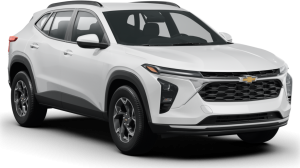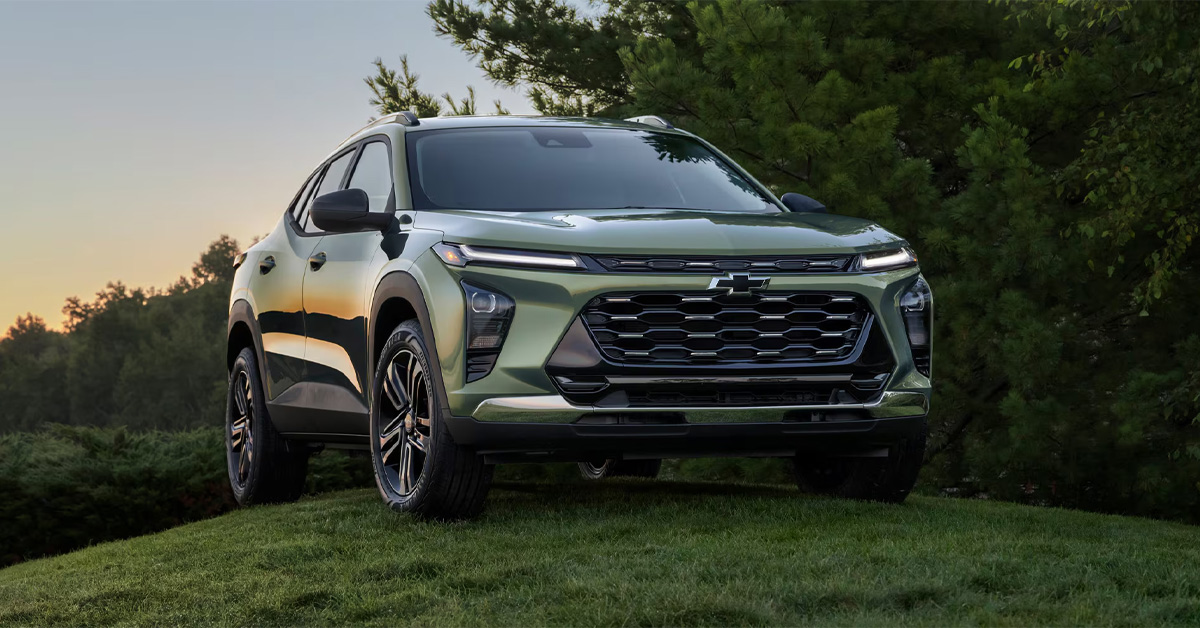
The 2026 Chevrolet Trax keeps ownership costs low with predictable maintenance, strong reliability scores, and fuel efficiency that suits daily driving across Southern California. Drivers can expect manageable annual service expenses, competitive long-term repair projections, and a total cost of ownership that stays affordable from year one through year five. This guide outlines everything from depreciation and fuel spending to warranty coverage and service planning, so shoppers know exactly what to expect before they buy.
Southern California Chevy Dealers is proud to support drivers across all 44 locations with a full range of automotive services. Our teams are ready to help with sales, certified maintenance, genuine parts, and expert guidance whenever you need it. Contact us today to learn more about the 2026 Trax or to schedule your next visit.
What Goes Into Trax Ownership Costs in 2026
Trax ownership costs in 2026 stay low due to smart design and steady fuel use. Many drivers like that the Trax is easy to care for and simple to plan around. Each main cost fits into a clear group, which helps you track your full spend with ease.
Key parts that shape total cost include:
- Fuel use
- Routine care
- Long-term repair needs
- Parts and wear items
- Insurance plans
- Loan terms
Each part has its own weight. Fuel and care needs stay small for most Trax drivers. This mix keeps cost control strong for many years.
Five-Year Trax Total Cost of Ownership Breakdown
A clear Trax maintenance expense guide helps drivers plan a five year budget with less stress. The Trax has steady costs in each year, and most of these costs stay close to the class norm. This helps many drivers in busy areas stay on track with both short and long term plans.
Here is a simple break out of key five-year costs:
- Depreciation, expect about twelve to thirteen thousand
- Fuel, about twelve thousand
- Insurance, about ten thousand
- Finance costs, based on rate and term
- Care and repair, about two to three thousand
Each group adds to the full five year spend. For many drivers, the Trax keeps these costs low. The mix of low care needs and strong MPG helps keep the five year plan fair and clear.
Trax Maintenance Expense Guide: What Owners Can Expect Annually
The Trax total cost of ownership stays in a safe range due to low year to year care needs. Most drivers spend a small sum each year on parts and basic work. This helps the Trax fit well in tight home budgets.
A normal year may include:
- Oil and filter care
- Tire work
- Small parts, such as wiper blades
- Brake checks
- Fluid checks
Most Trax owners spend about five hundred dollars per year on this list. The rate is a bit lower than many small SUVs. This helps many drivers plan for the year with ease.
Long Term Maintenance Outlook, 10 Year Trax Ownership Costs
Over ten years, Trax ownership costs in 2026 stay steady and easy to plan. Long term care needs rise a bit with more miles, but the rate stays fair. Most drivers reach ten years with a clear sense of what to expect.
Ten year cost groups often include:
- Wear items, such as brakes and tires
- Key fluid care
- Small repair work
- A few mid life parts, such as belts
Most long term care adds up to near nine thousand across ten years. This rate is close to the class norm. Many drivers like that the Trax stays solid for a long time with basic care.
Comfort, Capability, and Technology Features That Add Everyday Value
The Trax total cost of ownership stays low in part because it balances comfort, tech, and space. Drivers get a vehicle that handles daily life in Southern California with ease. Each ride feels smooth, and smart tech keeps trips easy and connected.
Key features include:
- Interior space: 60/40 split rear seat, five seats, up to 54 cubic feet of cargo
- Engine and efficiency: ECOTEC 1.2L Turbo with 30 MPG combined
- Technology: 11-inch HD touch-screen, wireless Apple CarPlay and Android Auto, optional Wi-Fi hotspot and wireless charging
- Climate and convenience: Automatic climate control, remote start, easy cargo access
These features improve daily use while helping keep the Trax affordable to own. Comfort, tech, and space all reduce stress and make driving simpler.
Safety Features That Reduce Risk and Potential Repair Costs
Trax ownership costs in 2026 are lower because safety features help prevent accidents. Advanced systems protect both driver and passengers. Fewer incidents mean fewer repairs and lower insurance over time.
Standard and available safety features include:
- Forward Collision Alert with Automatic Emergency Braking
- Lane Keep Assist with Lane Departure Warning
- Front Pedestrian Braking
- Following Distance Indicator
- IntelliBeam High Beam Assist
These systems help reduce risk on busy streets across Los Angeles, OC, Riverside, Ventura, San Bernardino, and the Inland Empire. Drivers gain confidence and fewer unexpected repair bills.
Trim-Level Differences and Their Influence on Ownership Costs
The Trax maintenance expense guide shows that trim choice can affect long-term costs slightly. Each trim offers different tech, wheels, and interior options, which may influence insurance or repair costs.
Trim highlights include:
- LS: Base trim, solid value, standard tech and safety
- 1RS and 2RS: Sport-inspired style, extra interior touches, larger wheels
- LT: Balance of tech, style, and convenience features
- ACTIV: Bold styling, extra comfort, unique interior and exterior details
All trims share low maintenance and strong reliability. Picking a trim that fits your needs keeps cost predictable without sacrificing safety or comfort.
Cost-Saving Tips for Trax Owners in Southern California
Smart choices can help reduce the Trax total cost of ownership even further. Small steps in driving and care save money each year.
Tips include:
- Keep tires inflated and rotate regularly
- Follow the maintenance schedule for oil, fluids, and filters
- Use certified service centers at local Southern California Chevy Dealers
- Drive gently to improve fuel efficiency and reduce wear
- Compare insurance rates and update coverage as needed
Simple habits can make the Trax last longer while keeping costs low. Careful upkeep keeps every mile more affordable.
FAQs about Chevrolet Trax Ownership and Costs
Many drivers want to understand the real costs of owning a Chevrolet Trax before buying. These questions cover maintenance, fuel, and long-term expenses to help plan a budget.
What are typical annual maintenance costs for a Trax owner?
The average annual maintenance and repair cost for a Trax is roughly $484, but will differ depending on how often you drive and a variety of other factors.
How much should I budget for tires, brakes, and routine service?
Routine service including oil, brakes, tires, and basic upkeep, generally costs under $500 per year.
How does fuel economy factor into total costs of owning a Chevy Trax?
The Trax gets an EPA-estimated 30 MPG combined, resulting in fewer trips to the pump and making your commute more fuel efficient.
Experience the Chevy Trax Today at Your Local Southern California Chevy Dealer
Drivers across Ventura, Los Angeles, Riverside, OC, San Bernardino, and the Inland Empire can explore a wide range of Chevrolet vehicles, including the Trax. Our dealerships make it easy to find a model that fits your budget, lifestyle, and daily needs.
We invite you to contact Southern California Chevy Dealers to learn more about the Trax, schedule a test drive, or discuss maintenance and ownership tips. You can also continue exploring helpful guides, such as Car Longevity Tips, to learn which Chevrolet models last the longest, or check out ideas like Snow Spots and Old Car Gifts to make the most of your vehicle.
With expert teams ready to assist with sales, service, parts, and more, every visit can help you save time and money while enjoying your Chevrolet.
Disclaimer: All information is provided for general informational and entertainment purposes only. While we strive for accuracy, we cannot guarantee that all content is complete, current, or error-free. Any reliance you place on such information is strictly at your own risk. This article may include opinions and is not endorsed by, or officially affiliated with, any vehicle manufacturer or brand. Always consult official sources – such as the vehicle’s owner’s manual, authorized dealerships, or certified professionals – for the most up-to-date and personalized information.