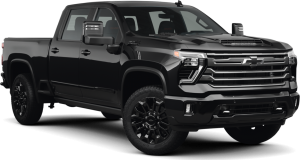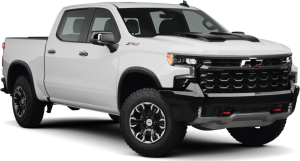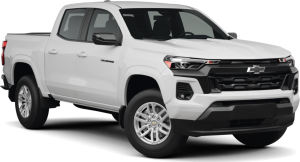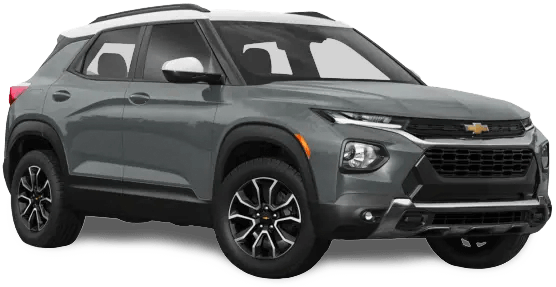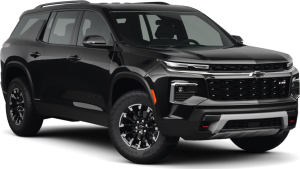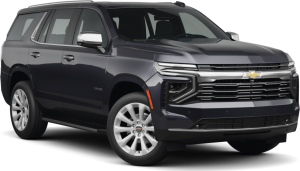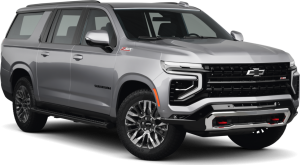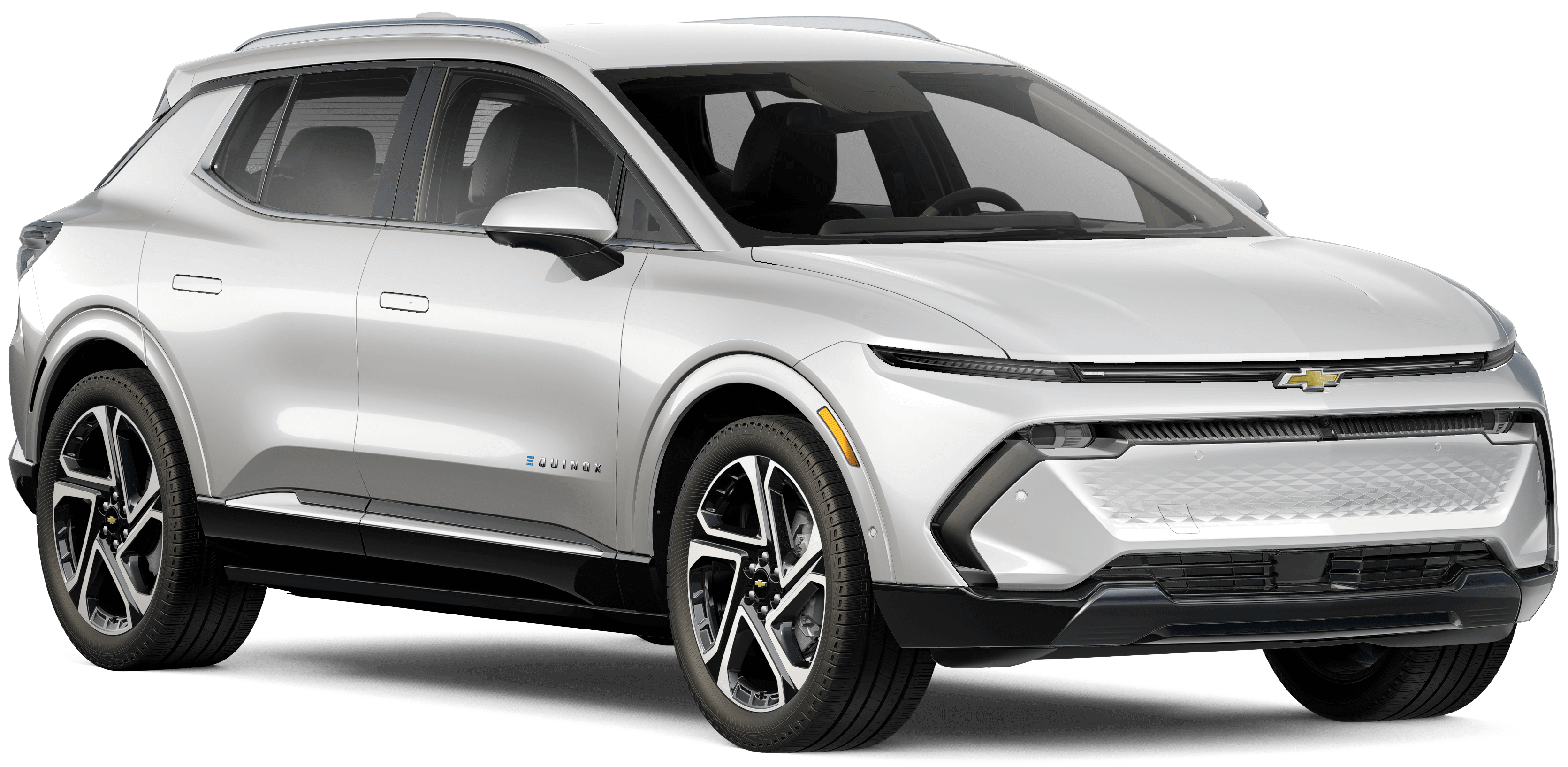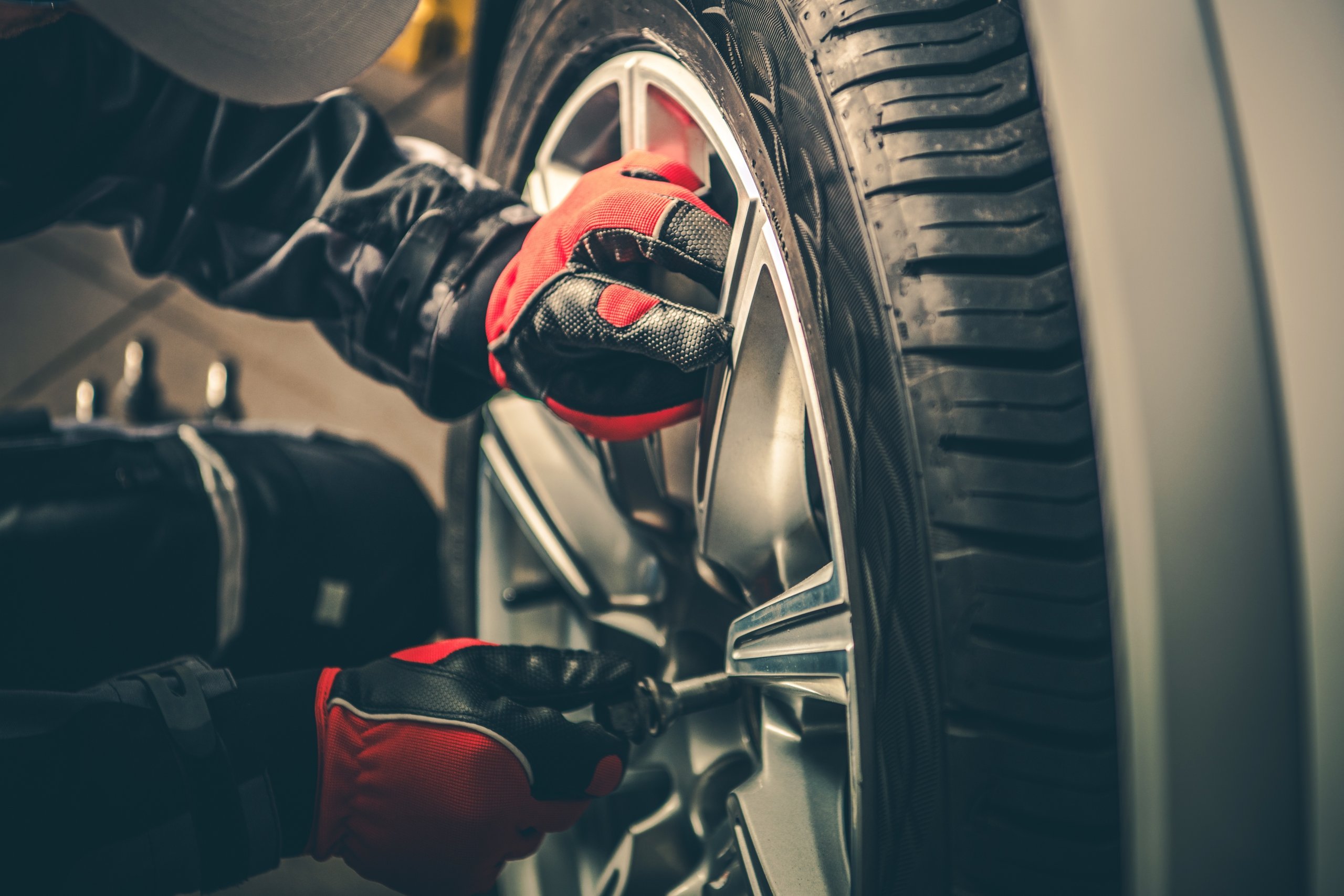
Equipping your vehicle with tire chains is one of the most effective ways to stay safe and maintain control in snowy or icy conditions. By gathering the right supplies, selecting the correct tires, and following a clear step-by-step chain installation process, drivers can ensure maximum traction and reduce the risk of slipping on winter roads. This guide provides detailed instructions on how to put snow chains on vehicles like the Chevrolet Silverado, Tahoe, Suburban, Traverse, Equinox, Colorado, and Trax, along with essential tips for chain safety, testing, and re-tightening to make winter driving more secure.
Southern California Chevrolet is committed to supporting drivers throughout every season. With 44 locations across Southern California, our team is ready to assist with sales, service, parts, and winter driving preparation. Whether you need guidance on installing tire chains, routine vehicle maintenance, or selecting the right Chevrolet for your needs, our experts are here to help. Contact us today or stop by your local dealership for personalized assistance.
Preparing the Chains for Installation
Proper winter driving prep includes readying chains before you climb into snow. Chevrolet models like the Colorado perform well in winter, but chains are crucial for icy stretches.
Steps to prepare chains:
- Lay chains flat next to the correct tires.
- Untangle any knots or twists in the chain.
- Check the traction side (studded or V-bar) faces outward.
- Inspect for broken links or damaged parts.
Taking these steps ensures a smooth installation and safer travel in snowy areas. Small preparation prevents big problems on the road.
Step-by-Step Chain Installation
Following snow chain safety rules protects you and your vehicle during installation. Vehicles like the Traverse handle snow better when chains are installed properly.
Chain installation process:
- Drape the chain over the tire, covering about three-quarters.
- Connect the inner cable or chain behind the tire.
- Attach the outer chain ends and tighten evenly.
- Drive slowly 15–100 feet to seat the chains.
- Re-tighten the chains to remove any slack.
Drive slowly with chains and remove them when roads clear. Listening for rattling or unusual sounds keeps both you and your vehicle safe.
Preparing for Winter Driving in Southern California
Driving in snow and ice can be tricky, even in Southern California. Knowing how to put snow chains on your vehicle is key for safety. Vehicles like the Chevrolet Silverado are strong and reliable, but proper traction is essential on mountain roads.
Before heading to Big Bear, Lake Arrowhead, Mammoth, or Mount Baldy:
- Check the weather and road conditions before you leave.
- Ensure your vehicle is in good working order.
- Keep tire chains and winter gear within reach.
- Plan extra time for travel on snowy or icy roads.
Practicing chain installation in a safe, dry area is smart. This builds confidence and ensures you can handle roadside snow safely. Even experienced drivers benefit from winter driving prep.
Gather Supplies for Snow Chain Installation
Having the right tools makes step-by-step chain installation easier. For Chevrolet models like the Equinox, preparation helps prevent mistakes and keeps you safe.
Essential supplies include:
- Tire chains that fit your vehicle.
- Gloves to protect your hands.
- A headlamp or flashlight for low-light conditions.
- A kneeling mat or cardboard to stay dry.
- Rubber tensioners or built-in chain tightening devices.
Keep these supplies in your vehicle during trips to snowy areas. Being prepared saves time and stress when the snow falls.
Choosing the Right Tires for Chains
Using a tire chains guide helps you know which tires need chains. For front-wheel drive, place chains on the front tires. Rear-wheel drive uses the rear tires. All-wheel drive vehicles, like the Trax, may need guidance from the owner’s manual.
Tips for proper placement:
- Chains on all four tires provide maximum grip.
- Follow the chain manufacturer’s directions carefully.
- Check that chains are sized correctly for your tires.
- Avoid loose or tangled chains before installation.
Correct placement ensures safer driving on snow-covered roads. It also reduces wear on both your tires and the chains.
Driving Tips and Snow Chain Safety
Knowing how to put snow chains on your tires is only part of safe winter driving. Proper habits on the road are equally important. Chevrolet vehicles like the Tahoe handle snow well, but chains improve control on icy roads.
Key safety tips:
- Drive slowly, usually under 30 mph, to prevent chain damage.
- Avoid sudden stops and quick turns on snow or ice.
- Listen for rattling; stop immediately if you hear unusual sounds.
- Remove chains when the road clears to protect tires and chains.
- Keep a safe distance from other vehicles in snowy conditions.
Even skilled drivers should plan for extra travel time. Careful driving reduces the risk of accidents and chain damage.
Maintenance and Storage of Tire Chains
After using chains, proper care extends their life. Following steps similar to step-by-step chain installation ensures your chains stay ready for future trips. Chevrolet Suburban owners, along with other models, benefit from regular inspection and storage.
Maintenance tips:
- Rinse chains to remove snow, salt, and dirt.
- Inspect for bent links or broken pieces before storing.
- Dry chains thoroughly to prevent rust.
- Store chains in a dry bag or container inside the vehicle.
- Keep tensioners or built-in devices with the chains for quick setup.
Routine maintenance makes chains easier to install next time. Proper storage also prevents accidents caused by damaged chains.
Planning Safe Winter Trips in Southern California
A tire chains guide is helpful when planning trips to snowy Southern California areas. Chevrolet Silverado drivers benefit from preparation when visiting Big Bear, Lake Arrowhead, Mammoth, or Mount Baldy.
Trip planning tips:
- Check road conditions and weather before leaving.
- Keep tire chains and winter gear accessible.
- Plan extra time for mountain drives.
- Share travel plans with friends or family for safety.
- Know emergency contacts and local services along the route.
Being prepared allows safer and more enjoyable trips. Following these tips keeps both drivers and vehicles protected in winter conditions.
Frequently Asked Questions About Tire Chains
Drivers heading into snowy or icy conditions often have questions about tire chains and safe winter driving. Getting clear answers helps ensure proper installation, vehicle safety, and smooth travel on slippery roads.
What tools and chain types work best for cars and light trucks?
Standard ladder-style chains or cable chains work well for most cars and light trucks. You will also need gloves, a flashlight, and rubber tensioners or built-in tightening devices.
What step-by-step process ensures safe installation?
- Park on a flat, safe surface and turn on hazard lights.
- Lay out and untangle the chains next to the tires.
- Drape the chain over the tire, covering about three-quarters.
- Connect the inner cable or chain first.
- Attach the outer chain ends and tighten evenly.
- Drive slowly 15–100 feet to seat the chains.
- Stop and re-tighten to remove slack.
How tight should chains be on the tire?
Chains should fit snugly against the tire with no loose sections. Use built-in tensioners or rubber straps to secure them evenly.
What speed limits apply with chains installed?
Keep speeds below 30 mph when driving with chains to prevent chain damage and maintain vehicle control.
How do I remove and store chains after use?
Remove chains on a clear road. Rinse off dirt and salt, dry completely, inspect for damage, and store in a dry bag or container with tensioners included.
Visit Southern California Chevy Dealers Near You
Getting ready for mountain driving is easier with help from Southern California Chevy Dealers. If you live near Big Bear, Lake Arrowhead, Mammoth, or Mount Baldy, our local dealerships can guide you through every step from choosing snow-ready tires to finding a reliable SUV or truck.
Explore our large inventory of Silverado, Equinox, Trax, Colorado, Traverse, Tahoe, and Suburban models built for winter roads and weekend adventures. Each Chevy offers power, traction, and comfort you can count on when driving through snow or up steep terrain.
Want to learn more about your vehicle? Discover how to compare Equinox years, find out standard Equinox features, or learn Equinox gas range before your next trip.
For expert help or a test drive, visit your nearby Southern California Chevy Dealers today. Keep exploring our site for more helpful guides, vehicle tips, and Chevy news.
Disclaimer: All information is provided for general informational and entertainment purposes only. While we strive for accuracy, we cannot guarantee that all content is complete, current, or error-free. Any reliance you place on such information is strictly at your own risk. This article may include opinions and is not endorsed by, or officially affiliated with, any vehicle manufacturer or brand. Always consult official sources – such as the vehicle’s owner’s manual, authorized dealerships, or certified professionals – for the most up-to-date and personalized information.