What are the Different Types of Car Batteries?

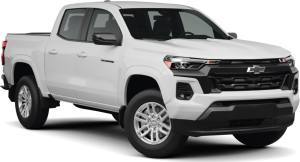
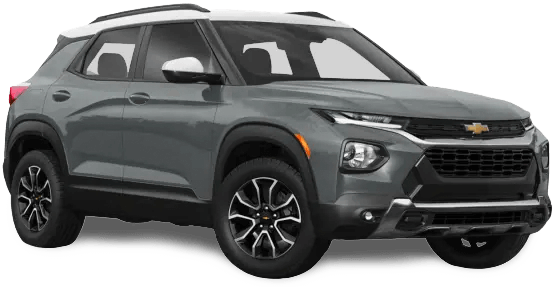
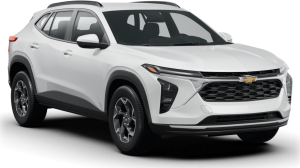
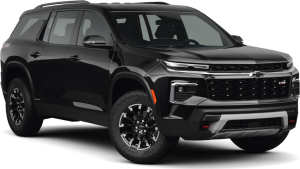
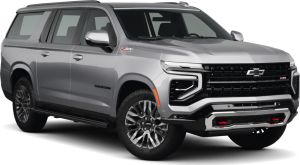
Your car’s battery is more than just a power source—it’s the heartbeat of your vehicle. Whether you drive a rugged Chevy Colorado, a family-friendly Suburban, or a sleek Trailblazer, the right battery ensures reliable starts, smooth performance, and efficient power delivery.
But not all car batteries are created equal. From traditional lead-acid to advanced lithium-ion technology, each type comes with its benefits and drawbacks.
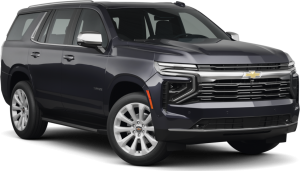
If you're wondering which battery is best for your Chevrolet Tahoe or need a replacement that fits your driving needs, you’re in the right place.
At Southern California Chevy Dealers, we’re here to break down the different types of car batteries and help you make an informed choice. Whether you’re in Los Angeles, Ventura, Orange County, or the Inland Empire, our experts are ready to assist with top-tier service and reliable recommendations.
What Do Car Batteries Do?
Your car’s battery does more than just start the engine. It powers the electrical components, keeps the vehicle's electronics running, and even impacts fuel efficiency. A strong battery ensures your Chevy performs at its best, whether you drive a Colorado, Trailblazer, Suburban, or Tahoe.
Battery performance can directly affect vehicle reliability. A weak or failing battery can cause slow starts, dim headlights, and trouble with key vehicle functions. In some cases, it can even impact fuel efficiency by forcing the alternator to work harder.
Choosing the right battery based on your driving habits, climate, and vehicle model is key to avoiding unexpected breakdowns.
Lead-Acid vs. Lithium Car Batteries
Not all car batteries are built the same. When comparing car battery types, two options dominate the market: lead-acid and lithium-ion. Understanding the differences helps you make the best choice for your Chevy.
Lead-Acid Batteries
- The most common type found in internal combustion engine vehicles.
- Affordable but heavier and requires maintenance over time.
- Best for conventional 12V systems, like those in the Chevy Colorado and Trailblazer.
- Provides reliable power but has a shorter lifespan compared to lithium-ion options.
Lithium-Ion Batteries
- Lighter and more efficient than lead-acid alternatives.
- Typically used in hybrid and electric vehicles due to superior energy storage.
- Higher initial cost but lasts longer and requires minimal maintenance.
- Performs better in extreme temperatures and delivers consistent power output.
Which One is Right for You?
Choosing between lead-acid vs. lithium batteries depends on budget, longevity, and performance.
| Feature | Lead-Acid Battery | Lithium-Ion Battery |
| Cost | Lower upfront cost | Higher upfront cost |
| Lifespan | 3-5 years | 8-10+ years |
| Weight | Heavier | Lighter |
| Maintenance | Requires upkeep | Minimal maintenance |
| Efficiency | Moderate | High efficiency |
While lithium-ion batteries are gaining popularity, lead-acid batteries remain dominant due to their affordability and compatibility with most vehicles. If you drive a Chevy Suburban or Tahoe, consider battery longevity and performance when making your decision.
Flooded Lead-Acid Batteries (Wet Cell)
One of the most common car battery types, flooded lead-acid batteries rely on a liquid electrolyte solution and lead plates to generate power. They have been the go-to choice for decades, offering a balance between cost and reliability.
Advantages:
- Affordable and widely available.
- Performs well for standard vehicle needs.
- Can handle a range of driving conditions.
Disadvantages:
- Requires regular maintenance, including adding distilled water.
- Prone to spills if tipped over.
- Shorter lifespan compared to AGM or lithium-ion options.
Best for: Budget-conscious drivers who need a simple, effective power source.
Absorbent Glass Mat (AGM) Batteries
AGM batteries improve upon traditional lead-acid designs by using a fiberglass separator to hold the electrolyte, eliminating the risk of spills and increasing durability. They’re often found in vehicles that require extra power for advanced electronics.
Advantages:
- Spill-proof and resistant to vibrations, making them ideal for rough terrain.
- Delivers better performance for vehicles with high electrical demands.
- Lasts longer than standard lead-acid batteries.
Disadvantages:
- More expensive than flooded lead-acid batteries.
- Can be overcharged if not monitored properly.
Many modern vehicles, including the Chevy Tahoe and Suburban, rely on AGM batteries to support their advanced electronics and start-stop technology. If your Chevy has high-tech features, AGM batteries provide the reliable power needed to keep everything running smoothly.
Gel Cell Batteries
Gel cell batteries use a silica-infused electrolyte to create a thick, gel-like consistency. Unlike traditional liquid-filled batteries, the gel prevents leaks and resists vibration damage.
Advantages:
- Operate well in extreme temperatures.
- Spill-proof design minimizes safety risks.
- Long-lasting and durable under various conditions.
Disadvantages:
- Not as widely available as other battery types.
- Cannot handle high-power demands like AGM batteries.
Best for: Specialty applications, motorcycles, and off-road vehicles needing a steady power supply.
Enhanced Flooded Batteries (EFB)
Enhanced Flooded Batteries (EFB) are an improved version of traditional flooded lead-acid batteries. They are built to last longer and perform better, especially in start-stop vehicles.
Advantages:
- Extended lifespan compared to standard wet-cell batteries.
- Better resistance to deep cycling.
- Enhanced durability for vehicles with frequent stop-and-go driving.
Common in: Vehicles with mild start-stop technology that need reliable power and durability.
Deep Cycle Batteries vs. Starter Batteries
Different batteries serve different purposes. Choosing the wrong one can lead to poor performance or premature failure.
Starter Batteries:
- Designed to deliver a short, high burst of power to crank the engine.
- Recharge quickly after the engine starts.
- Found in most standard gasoline-powered vehicles.
Deep Cycle Batteries:
- Built to provide steady power over a long period.
- Used in boats, RVs, and golf carts.
- Not ideal for standard cars since they lack the quick burst needed for ignition.
Car Battery Comparison
| Battery Type | Best For | Pros | Cons |
| Flooded Lead-Acid | Standard gasoline vehicles (e.g., Chevrolet Colorado, Trailblazer) | Affordable, widely available | Requires maintenance, shorter lifespan |
| AGM | Start-stop vehicles, high-end SUVs (e.g., Chevrolet Tahoe, Suburban) | Spill-proof, vibration-resistant, longer lifespan | More expensive |
| Gel Cell | Extreme weather conditions, off-road vehicles | No spillage, resistant to deep discharge | Cannot handle high power draws |
| Lithium-Ion | EVs, hybrids, high-performance vehicles | Lightweight, long-lasting, high efficiency | Expensive, requires special charging systems |
Advances in Battery Technology for Cars
Battery technology continues to evolve, bringing new solutions for better performance, efficiency, and sustainability.
Solid-State Batteries
- Offer higher energy density than lithium-ion batteries.
- Safer due to reduced risk of overheating or combustion.
- Expected to extend the driving range of electric vehicles.
Ultracapacitors
- Complement traditional batteries by storing energy quickly.
- Improve performance in hybrid vehicles by handling energy surges.
- Help reduce battery strain and extend overall battery life.
Eco-Friendly Battery Innovations
- Recycling programs reduce waste from old batteries.
- Advances in sustainable materials minimize environmental impact.
- Manufacturers like Chevrolet invest in greener battery production.
Chevrolet’s Role in Battery Innovation
Chevy continues to integrate advanced battery technology in its lineup, ensuring efficiency and reliability in models like the Tahoe, Suburban, Colorado, and Trailblazer. As vehicle demands grow, Chevrolet remains at the forefront of innovation, enhancing power solutions for the future.
What are the most common types of car batteries available on the market?
The most common types of car batteries include flooded lead-acid, absorbent glass mat (AGM), gel cell, enhanced flooded batteries (EFB), and lithium-ion batteries.
How do lead-acid batteries compare to lithium-ion batteries?
Lead-acid batteries are more affordable and widely used in gasoline-powered vehicles, but they require maintenance and have a shorter lifespan. Lithium-ion batteries are lighter, last longer, and offer better efficiency, but they come with a higher price tag.
What factors should be considered when selecting a car battery?
Consider the battery’s compatibility with your vehicle, cold-cranking amps (CCA) for cold weather starts, reserve capacity, lifespan, and maintenance needs.
Are there batteries designed specifically for vehicles with start-stop systems?
Yes, AGM and enhanced flooded batteries (EFB) are designed to handle the frequent charging and discharging required by start-stop systems.
How does the type of battery affect overall performance and longevity?
High-performance batteries like AGM and lithium-ion provide longer lifespans and better efficiency, while traditional lead-acid batteries may require more frequent replacement and maintenance.
Having the right battery ensures your vehicle runs reliably and efficiently. If you're unsure which battery is best for your Chevrolet, visit one of our Southern California dealerships for expert services and guidance.
Get Your Vehicle Serviced at Your Local Chevy Dealer
Choosing the right battery is essential for keeping your vehicle running smoothly. Whether you drive a Chevrolet Tahoe or a Trailblazer, the right power source ensures reliability and efficiency. Our dealerships across Los Angeles, Ventura, Orange County, and the Inland Empire can help you with the best professional services.
If you're looking for a new vehicle, explore our wide selection of Chevrolet models today. We offer a variety of financing options, making it easy to upgrade your ride. Visit our finance application page to get started or check out our new inventory page to find the latest Chevrolet vehicles.
If you're interested in learning more about Chevrolet's truck lineup, we have resources to guide you. Find out whether investing in a used Chevy truck is a smart decision, discover why Chevrolet stands out as a top choice for truck buyers, or compare different Chevy models to see which ones offer diesel engine options.
Our website is packed with valuable information to help you make informed decisions about your next vehicle.
Disclaimer: All information is provided for general informational and entertainment purposes only. While we strive for accuracy, we cannot guarantee that all content is complete, current, or error-free. Any reliance you place on such information is strictly at your own risk. This article may include opinions and is not endorsed by, or officially affiliated with, any vehicle manufacturer or brand. Always consult official sources – such as the vehicle’s owner’s manual, authorized dealerships, or certified professionals – for the most up-to-date and personalized information.