7 Reasons Your Chevy Has Power But Won’t Start
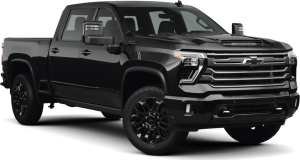
When your Chevy has power but refuses to start, it’s more than just an inconvenience—it can be downright frustrating. Whether you're behind the wheel of a rugged Silverado HD, cruising in a stylish Malibu, or enjoying the smooth ride of a Traverse, the last thing you want is for your vehicle to let you down at the worst possible moment. The good news is, you’re not alone, and more importantly, the issue is often easier to fix than you might think.
In this article, we’ll explore seven common reasons why your Chevy might be experiencing starting problems, despite having power. From a faulty starter motor to issues with your security system, we’ll break down what could be going wrong and how to get your Chevy back on the road. If you find yourself stuck or unsure of what’s causing the issue, don’t hesitate to reach out to one of the 44 Southern California Chevy dealers for expert help and reliable solutions. Let’s dive in and uncover what’s keeping your Chevy from starting and how to fix it.
Understanding the Issue: Why Your Chevy Won’t Start Despite Power
When your Chevy has power but won’t start, it’s frustrating. The dashboard lights up, and you hear a faint click, but the engine won’t crank. So, what’s going on?
This issue can happen for several reasons, and understanding the problem is the first step toward fixing it. Here’s a breakdown of why your Chevy might be experiencing these power but no start problems:
- Starter Issues: A faulty starter motor can prevent the engine from turning over, even though the battery seems fine.
- Weak Battery: While the lights might work, a weak battery may not have enough power to get the engine cranking.
- Fuel Delivery Problems: If the fuel system isn’t working correctly, the engine won’t get the fuel it needs to run.
- Ignition System Issues: Problems with the ignition system can prevent the engine from firing up.
- Security System Failures: In some cases, your Chevy’s anti-theft system might block the engine from starting.
- Loose Battery Connections: A loose or corroded battery terminal can cause power flow problems that prevent starting.
- Alternator Failure: If the alternator isn’t working properly, the battery won’t charge, leading to starting issues.
For vehicles like the Silverado HD, Traverse, or Malibu, understanding these causes can help you troubleshoot the issue quickly. If you're unsure, it's always best to visit a Southern California Chevy dealer for expert diagnosis and assistance.
1. Faulty Starter Motor: A Common Cause for Chevy Starting Problems
One of the most common culprits behind Chevy no crank issues is a faulty starter motor. The starter motor is responsible for turning the engine over when you start your vehicle. If the starter fails, your Chevy may have power but still won’t start.
Here’s how to spot a faulty starter motor:
- Clicking Sound: You might hear a click when turning the key, but the engine won’t turn over.
- No Response: When you turn the key, there’s no sound at all—no click or crank from the engine.
- Slow Cranking: The engine cranks slowly or labors to start, but it doesn’t catch.
In vehicles like the Chevy Traverse, a faulty starter motor can be especially troublesome. If the starter motor is worn or damaged, it won’t engage the flywheel, even if the battery is fully charged. The starter motor is located near the engine, and replacing it often requires professional help. If you suspect a starter issue, contact your local Southern California Chevy dealer for quick diagnostics and repairs.
2. Weak or Dying Battery: The Power No Start Chevy Problem
A weak or dying battery is another common cause of Chevy starting problems. While your vehicle may have enough power to light up the dashboard or run accessories, a weak battery might not provide enough energy to crank the engine.
Here’s how to tell if your battery is to blame:
- Dim Dashboard Lights: If your lights are dim or flicker when you try to start your vehicle, your battery might not have enough power.
- Slow Cranking: The engine cranks slowly, but doesn’t start—this is a classic sign of a weak battery.
- Old Battery: Batteries usually last 3 to 5 years. If yours is older, it may not hold a charge well.
For high-performance vehicles like the Corvette, a battery in poor condition can be particularly problematic. In these cases, even a small amount of battery failure can prevent the engine from starting. Always check the age and condition of your battery to avoid unexpected issues. If the battery is weak or dying, it’s best to replace it before it leaves you stranded.
3. Fuel Delivery System Failure: Why Your Chevy Engine Won’t Crank
If your Chevy has power but won’t start, fuel delivery problems might be the reason. For your engine to run, it needs a steady flow of fuel. If there’s an issue with the fuel system, the engine may fail to get the necessary fuel, even if the battery is fine.
Key components of the fuel delivery system include:
- Fuel Pump: A bad fuel pump won’t send fuel to the engine.
- Fuel Filter: A clogged fuel filter can block the flow of fuel to the engine.
- Fuel Injectors: Faulty fuel injectors may not spray fuel into the engine properly.
For vehicles like the Malibu, fuel system problems can sometimes go unnoticed until the engine refuses to start. If your Chevy is having trouble starting despite the battery being fine, have the fuel system checked for clogs or malfunctions. A mechanic can inspect and replace parts if necessary to restore proper fuel flow.
4. Ignition System Problems: Why Your Chevy Won’t Start Despite Power
The ignition system plays a crucial role in getting your Chevy to start. If there’s an issue with the ignition system, your vehicle may not start, even if the battery and starter motor are fine. The ignition system is responsible for sending the right amount of electricity to the engine to initiate combustion.
Some common ignition system issues include:
- Faulty Ignition Coil: A bad coil won’t send the right electrical signal to the engine, causing it to fail to start.
- Malfunctioning Camshaft Position Sensor: If this sensor fails, the engine may not fire up.
- Defective Ignition Switch: A faulty ignition switch can prevent power from reaching the engine’s starting system.
If your Silverado HD or another Chevy model has power but won’t start, ignition system issues could be at fault. These problems can be tricky to diagnose, so it’s best to have a professional take a look if you suspect an issue with your ignition system. Contact your Southern California Chevy dealer for accurate diagnostics and service.
5. Security System or Key Fob Issues: A Hidden Culprit in Chevy Starting Problems
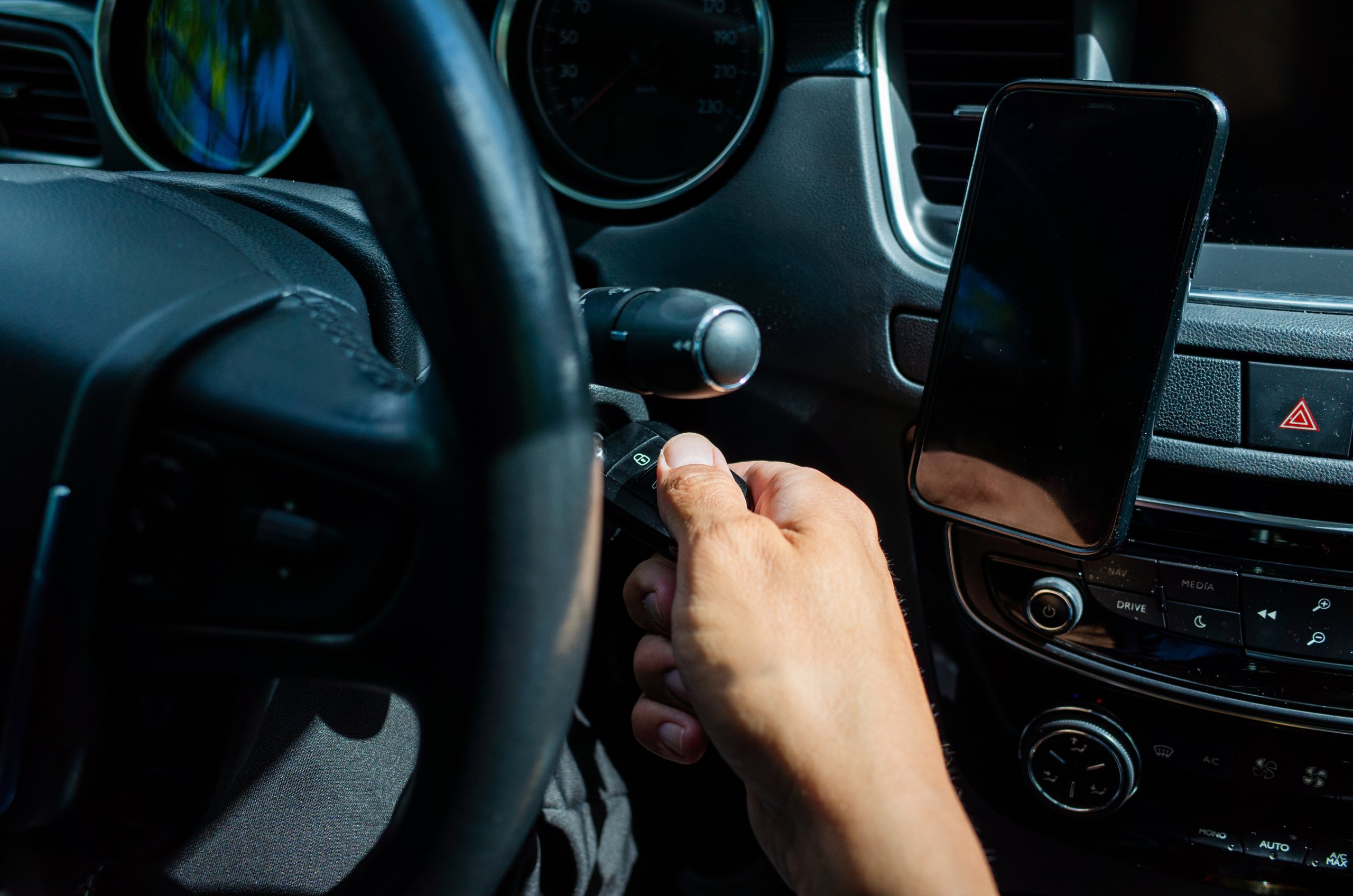
Sometimes, your Chevy may have power but won’t start. If you’ve checked the battery and starter motor, another issue could be the vehicle's security system or key fob. These systems are designed to keep your car safe, but they can also prevent your car from starting if there's a problem.
Here are some common issues related to security systems or key fobs that might be causing the problem:
- Key Fob Battery Issues: A weak or dead key fob battery can prevent your Chevy from recognizing the key and starting the engine.
- Security System Lockout: If the vehicle’s security system detects something unusual, it may lock you out to prevent theft, keeping the engine from starting.
- Key Fob Programming Issues: If your key fob isn’t properly programmed, it might not communicate with the vehicle’s ignition system, causing starting issues.
- Faulty Antenna or Sensor: If the antenna or sensor responsible for detecting the key fob signal is faulty, the system might not register the key, causing a no-start issue.
If you suspect the issue is related to the security system or key fob, try the following:
- Replace the Key Fob Battery: This is a simple and often overlooked fix.
- Try Using a Spare Key: If you have a spare, try starting the vehicle with it.
- Reset the System: Some Chevys allow you to reset the security system by turning the key to the “on” position for 10 minutes.
By checking these possible causes, you might be able to start your Chevy without needing to visit a mechanic.
6. Loose Battery Connections or Corroded Terminals: The Underrated Power No Start Chevy Issue
If your Chevy has power but won’t start, the issue could be related to the battery. However, it’s not always the battery itself that’s to blame. Loose battery connections or corroded terminals can also cause starting issues, even when the battery seems fine.
Here’s how these issues can affect your Chevy’s ability to start:
- Loose Battery Connections: If the battery cables aren’t securely attached, the power from the battery might not be flowing properly to the starter, preventing the engine from turning over.
- Corroded Battery Terminals: Corrosion can build up on the battery terminals, blocking the electrical connection between the battery and the car’s electrical system. This can lead to starting problems.
- Voltage Drop: Even with a charged battery, a loose or corroded connection can cause a voltage drop, preventing the engine from getting the power it needs to start.
To fix this issue, follow these steps:
- Check Battery Cables: Make sure the cables are tightly connected to the battery terminals.
- Clean the Terminals: If corrosion is visible, clean the battery terminals using a mixture of baking soda and water.
- Inspect for Damage: If the cables or terminals are damaged, they may need to be replaced.
Taking care of these small but important issues can help prevent your Chevy from having trouble starting in the future.
7. Alternator Issues: How a Bad Alternator Can Prevent Starting
A bad alternator could be the culprit behind Chevy's starting problems. The alternator is responsible for charging the battery while the engine is running. If the alternator is malfunctioning, your Chevy might not have enough power to start, even if the battery seems fine.
Here’s how a failing alternator can affect your Chevy:
- Battery Drain: Without a working alternator, the battery won't be charged properly. Over time, the battery will lose power, and your Chevy may not start.
- Dimming Lights or Electrical Malfunctions: A bad alternator can cause dim headlights or issues with the vehicle's electrical system, even while driving.
- Sputtering Engine: A failing alternator can cause the engine to sputter or shut off unexpectedly.
If you suspect the alternator is the issue, consider the following:
- Check Battery Voltage: If your battery voltage is low, it could be a sign that the alternator isn’t charging it properly.
- Listen for Noises: A failing alternator may produce unusual noises, like grinding or whining sounds.
- Look for Warning Lights: Many Chevys will display a warning light on the dashboard if there’s an alternator issue.
If you notice any of these signs, it's a good idea to have the alternator checked and possibly replaced to avoid future starting issues.
Troubleshooting Chevy Starting Problems in Southern California
When your Chevy has power but won’t start, the issue could be related to various factors. If you're in Southern California, the warm climate can sometimes contribute to specific starting problems. Here are some factors to consider when troubleshooting:
- Extreme Heat: In hot temperatures, battery fluid can evaporate, leading to poor battery performance. This can make starting your Chevy difficult.
- Dust and Debris: Dust and debris can sometimes accumulate around the battery terminals, causing corrosion or blocking the connection.
- Environmental Factors: High humidity can cause electrical connections to corrode more quickly.
To troubleshoot these issues in Southern California:
- Check for Corrosion: Make sure the battery terminals and cables are clean and free of corrosion.
- Inspect the Battery: Extreme heat can cause the battery to lose charge. Ensure your battery is in good condition.
- Look for Warning Lights: Pay attention to any warning lights that could indicate issues with the alternator, security system, or other key components.
By considering these local factors, you may be able to pinpoint and resolve the issue causing your Chevy to have power but not start.
If you're having trouble starting your Chevy despite seeing that the lights and radio work, understanding the possible causes can help you quickly identify the issue and find a solution. Below, you'll find answers to some frequently asked questions that may help you troubleshoot and get your vehicle back on the road.
Why do the lights and radio work, but my Chevy won't start?
This could be due to a weak battery or a bad starter motor. The battery may still have enough power to run accessories, but not enough to start the engine. It could also be an issue with the ignition switch or fuel delivery system.
What's the difference between a bad starter and a bad ignition switch?
A bad starter motor often results in a clicking sound when you try to start the engine. If the ignition switch is bad, it may not send power to the starter or other essential systems, causing the vehicle to fail to start.
Could my security system be preventing my Chevy from starting?
Yes, a malfunctioning or miscommunicating key fob with your Chevy's security system can prevent the car from starting. The system may recognize the key fob as unauthorized or unable to communicate properly, which could disable the engine.
How do I check if my fuel pump is working?
You can listen for a faint buzzing sound from the fuel tank when you turn the key to the "on" position. Alternatively, you can check fuel pressure with a gauge to see if it's within the proper range.
What's the most common reason a Chevy has power but won't start?
A weak or dying battery is often the most common cause. Even if the lights and radio work, the battery may not have enough power to start the engine. Other issues could include a faulty starter motor, ignition switch, or fuel delivery problems.
Can a bad key fob prevent my Chevy from starting?
Yes, a bad or malfunctioning key fob can prevent your Chevy from starting if it’s unable to communicate with the vehicle’s security system. If the system doesn't recognize the fob, it won't allow the engine to start.
How can I test if my spark plugs are the problem?
You can test spark plugs by removing them and checking for wear or damage. If they are dirty or corroded, they may not spark properly. Alternatively, you can perform a spark test using a spark plug tester.
Is it safe to try jump-starting my Chevy if it has power but won't start?
It is generally safe to jump-start a Chevy if the issue is related to a weak battery. However, if there are other underlying problems, such as a bad starter motor or faulty ignition switch, jump-starting may not resolve the issue. Always use caution and ensure you're following proper jump-starting procedures.
If you need further assistance or troubleshooting, don't hesitate to reach out to Southern California Chevy Dealers for expert guidance and services.
Ready to Get Back on the Road? Visit Southern California Chevy Dealers Today!
If you're still having trouble with your Chevy, don’t hesitate to reach out to your local Southern California Chevy dealers for more information. Our team is here to help you understand the reasons behind your Chevy’s starting issues and guide you in finding the perfect solution.
While you're here, we invite you to explore our wide selection of vehicles. Whether you’re interested in the powerful Silverado HD, the versatile Traverse, the iconic Corvette, or the stylish Malibu, we have something for everyone.
As you continue your search for the perfect Chevy, don't forget to check out our other helpful content. Discover more about how EVs are becoming the future with EVs for everyone, or get inspired for your next adventure by exploring State Parks in Southern California, or our guide to Southern California’s top scenic drives. These resources will help you get the most out of your vehicle and the stunning outdoor beauty of California.
Feel free to visit our site and find your next Chevy today!
Disclaimer: All information is provided for general informational and entertainment purposes only. While we strive for accuracy, we cannot guarantee that all content is complete, current, or error-free. Any reliance you place on such information is strictly at your own risk. This article may include opinions and is not endorsed by, or officially affiliated with, any vehicle manufacturer or brand. Always consult official sources – such as the vehicle’s owner’s manual, authorized dealerships, or certified professionals – for the most up-to-date and personalized information.