Should You Add Water to Your Car Battery?
Is your car battery in need of a little TLC? If you've ever wondered whether you should add water to your car battery, you're not alone. Proper battery maintenance is key to keeping your vehicle running smoothly, but many drivers are unsure when and how to add water to their battery.
In this guide, we'll cover everything you need to know about maintaining your car's battery, so you can ensure a longer lifespan and reliable performance.
If you're in the Southern California area, visit Southern California Chevrolet today for expert advice and top-notch service!
Why Does Your Car Battery Have Water in It?
Your car battery relies on a mix of water and sulfuric acid, known as the electrolyte, to produce power. This electrolyte helps the battery store and release energy. The water in the electrolyte plays a critical role in keeping the battery’s internal components working properly.
Over time, however, the water in the battery can evaporate due to heat and charging. This can lead to lower water levels, which may affect the battery’s performance.
For vehicles like the Chevrolet Colorado, regular battery checks are important, especially if you live in hot areas like Los Angeles or the Inland Empire. These conditions can increase water evaporation in your battery. Keeping the water levels correct is one of the easiest ways to extend your battery’s life and keep your Colorado running smoothly.
If the water level drops too low, the battery plates could be exposed, which can cause damage. That’s why it’s important to add water to your car battery when needed. But remember, always use distilled water. Tap water has minerals that can harm the battery’s delicate parts. By adding water when necessary, you help ensure that your Chevrolet runs at its best.
Why You Should Monitor Your Car Battery Water Levels?
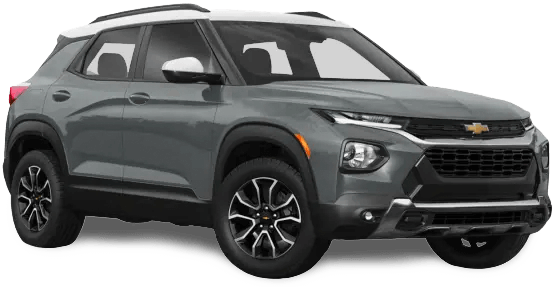
Monitoring your car battery’s water levels is important for several reasons. If the water gets too low, your battery can lose power. This can lead to poor performance or a dead battery. For your Chevrolet Trailblazer, a simple battery water top-up can help keep the battery running smoothly.
High temperatures in places like Ventura and Orange County can cause the water in your battery to evaporate quickly. This means you may need to check the water levels more often. Without the right amount of water, the electrolyte cannot function properly, which could lead to battery failure.
By keeping an eye on your battery, you ensure it works efficiently and lasts longer. Regularly adding water can prevent damage and keep your Trailblazer ready for any adventure. Make sure to perform routine checks, especially in hot climates or during heavy use. A small step like topping up the battery can make a big difference in your vehicle’s reliability.
When Should You Add Water to Your Car Battery?
Knowing when to add water to your car battery is key for proper car battery maintenance. It’s a good idea to check the water level about once a month. If your Chevrolet Suburban is used often or driven in hot climates, check it more often.
The water inside your battery should cover the plates. If it’s below the plates, it’s time for a top-up. Low water levels can lead to overheating or a dead battery. You’ll notice your battery’s performance dropping or the battery light turning on when there’s too little water.
For your Suburban, make sure the water you add is distilled. Using the right water helps keep your battery safe and working well. Don’t wait too long. Regular checks and topping up with car battery maintenance water will extend the life of your battery.
How to Safely Add Water to Your Car Battery
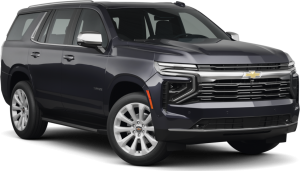
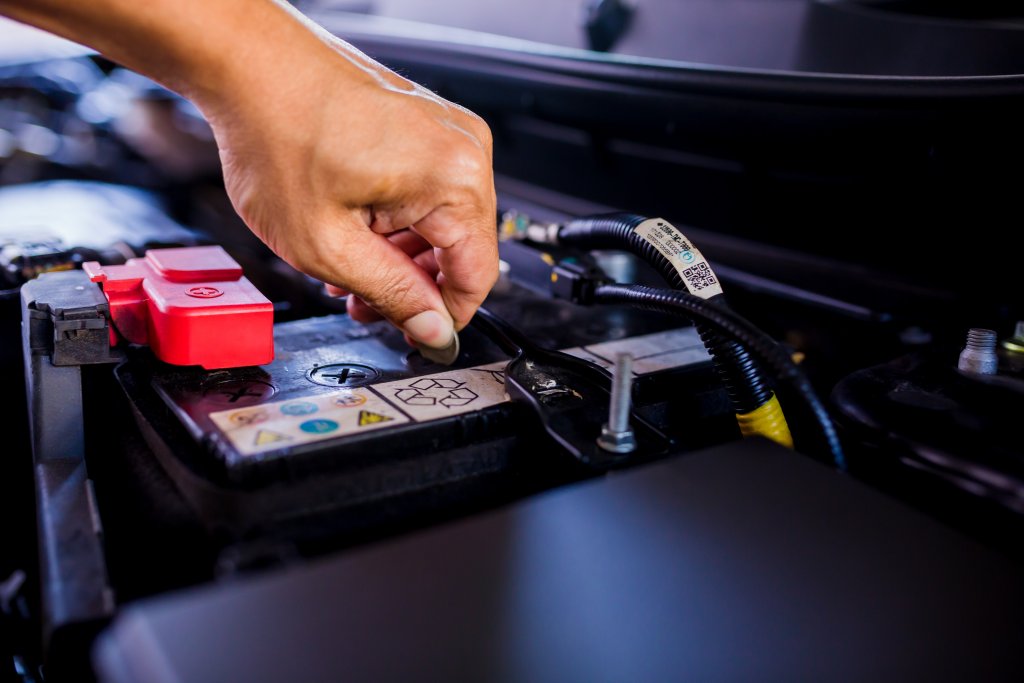
Adding water to your car battery, like the one in your Chevrolet Tahoe, is simple if done carefully. First, make sure your car is off and parked on a flat surface. Safety comes first, so always wear gloves and eye protection.
- Locate the battery under the hood of your Tahoe. You’ll see caps on top of the battery. Remove these caps to access the cells inside.
- Next, check the water level. If it’s low, you can add battery electrolyte water. Only use distilled water, as tap water can harm the battery.
- Pour the water slowly into each cell. Fill until the water covers the plates inside, but don’t overfill. After filling, replace the caps tightly.
- Finally, clean up any spills. Always dispose of old battery fluid properly. Regularly adding water will keep your Tahoe’s battery in good shape.
What Type of Water Should You Use for Your Car Battery?
When adding water to your car battery, always use distilled water. Tap water can contain minerals that harm the battery. These minerals can cause damage over time, leading to a shorter battery life.
Distilled water is free from minerals and impurities. It’s the safest option for car battery water addition. Using the right type of water helps maintain the proper chemical balance inside the battery.
How Often Should You Check and Add Water to Your Car Battery?
You should check your car battery water levels every 3 to 6 months. If you drive a lot, check more often. Extreme temperatures can cause the water to evaporate faster.
Look at the water level through the battery’s clear window. If it’s low, you may need to add water to the car battery.
If you notice your battery is losing water quickly, it could be a sign of a problem. Regular checks will help prevent any issues. Keeping the water at the correct level will extend the life of your battery.
Additional Tips for Maintaining Your Car Battery
Taking care of your car battery is easy. Regular battery water top-up is just one part. Here are some extra tips for your battery’s health:
- Clean the Terminals: Dirt or corrosion can cause poor connections. Clean the battery terminals with a brush to keep them free from buildup.
- Check for Leaks: Look for any leaks around the battery. If you see any, it may need to be replaced.
- Protect from Extreme Weather: Both heat and cold can harm your battery. Park your Trailblazer in a shaded area during the summer and inside when it’s freezing.
- Ensure Proper Charging: Don’t overcharge your battery. A steady charge will keep it running smoothly for longer.
- Replace When Needed: Car batteries lose power over time. If your battery is older than 3 to 5 years, it may need a replacement.
Following these tips will keep your battery in great shape and help you avoid unexpected issues.
Maintaining a Healthy Car Battery in Southern California’s Climate
Southern California’s heat can be tough on your car battery. The hot temperatures may cause the battery water to evaporate faster. If you don’t check your battery often, this can lead to damage.
- Monitor Battery Water Levels: The dry heat can reduce the amount of water in your battery. It’s important to add water to your car battery regularly. Check the water level every few months.
- Avoid Long Periods of Heat: Parking your Suburban in the sun can drain your battery faster. If possible, park in a shaded spot to help protect your battery.
- Keep the Battery Clean: Dust and dirt can build up on your battery. Clean the terminals to avoid corrosion and ensure good connections.
- Stay On Top of Maintenance: High heat can affect the overall health of your battery. Regular car battery maintenance water top-up and checks can help keep your battery strong.
By paying attention to these tips, you can keep your car battery in good shape and avoid problems during hot months.
Should You Consider a Maintenance-Free Battery?
A maintenance-free battery can be a good option for some drivers. These batteries don’t require adding battery electrolyte water regularly. This can be convenient, especially if you drive a Tahoe or another large vehicle.
- Less Hassle: With a maintenance-free battery, you don’t need to worry about checking or topping up the water. It saves you time and effort.
- Longer Life: These batteries are designed to last longer without maintenance. The sealed design helps prevent water loss.
- Convenience: If you’re often on the go or don’t want to deal with regular maintenance, this type of battery is a good choice.
However, maintenance-free batteries can be more expensive. Also, if something goes wrong, they may be harder to repair. So, weigh the pros and cons before making your choice.
If you're unsure about which battery is best for your vehicle, ask your local mechanic or dealer.
When to Seek Professional Assistance
Adding car battery water can be simple, but there are times when you need help. If you’re unsure, it’s best to seek professional assistance. Here are some signs that you may need to visit a mechanic or service center:
- Low Water Levels Too Often: If you constantly need to add water to your car battery, it could be a sign of a larger issue. This could be due to a faulty battery or overcharging.
- Corrosion Around the Battery: If you notice buildup or corrosion around the battery terminals, it might indicate a problem. A professional can clean and check the battery for damage.
- Car Battery Won’t Hold a Charge: If your battery keeps dying or isn’t holding a charge, it’s time to get help. It could be related to the battery or charging system.
- Unusual Sounds or Smells: Any hissing or strong odors from the battery are warning signs. If you smell something strange, don’t wait—contact a professional.
- Extremely Low or No Power: If your car is having trouble starting or you notice low power, it’s best to seek expert help.
If you need assistance, local professionals are ready to inspect your battery and provide solutions. Don’t risk further damage—reach out for expert advice today.
What type of car batteries require the addition of water?
Car batteries that require water addition are typically lead-acid batteries. These batteries have removable caps that allow for topping off with water, specifically for the battery electrolyte.
How often should water be added to a car battery?
Water should be added to a car battery every 3 to 6 months, or when the electrolyte levels fall below the recommended level, depending on the usage of the battery and environmental conditions.
What are the risks associated with adding too much or too little water?
Adding too much water can cause the electrolyte solution to become too diluted, reducing the battery’s efficiency. On the other hand, adding too little water can cause the battery to overheat and possibly fail prematurely due to exposed plates.
Is it safe to use distilled water for topping off a car battery?
Yes, it is safe to use distilled water when topping off a car battery. Distilled water has no minerals that could cause damage to the battery’s internal components.
Can I perform this maintenance task myself, or should I consult a professional?
You can perform this maintenance task yourself, as long as you follow safety guidelines. However, if you're unsure about the process or if your battery requires further inspection, it’s a good idea to consult a professional.
Explore More With Your Southern California Chevrolet Dealers
Maintaining your car battery is an important part of vehicle upkeep. If you're unsure about your battery’s water levels or need help with other car maintenance tasks, Southern California Chevrolet is here for you. Our team can answer all your questions and ensure your car stays in great condition.
We invite customers from Los Angeles, Ventura, Orange County, and the Inland Empire to explore our wide selection of vehicles. Whether you’re looking for the Ford F-150, Chevrolet Escape, Explorer, or the iconic Bronco, we have something for everyone.
Want to make the most of your time on the road? Be sure to check out our guide on Southern California State Parks. Or, if you’re weighing your options, you can dive into our comparison of the Equinox vs Equinox EV. And for those with electric vehicles, our article on charging tips for Chevrolet EVs will help you stay charged and ready to go.
Feel free to reach out to us with any questions or stop by to take a closer look at our selection!
Disclaimer: All information is provided for general informational and entertainment purposes only. While we strive for accuracy, we cannot guarantee that all content is complete, current, or error-free. Any reliance you place on such information is strictly at your own risk. This article may include opinions and is not endorsed by, or officially affiliated with, any vehicle manufacturer or brand. Always consult official sources – such as the vehicle’s owner’s manual, authorized dealerships, or certified professionals – for the most up-to-date and personalized information.