How to Tell if Your Car’s Battery has Corroded
You might not think much about your car’s battery until your Silverado won’t start on a busy morning or your Equinox’s headlights go dim just when you need them most. One of the most common (and avoidable) culprits behind these issues? Battery corrosion. Knowing how to tell if your car’s battery has corroded can save you time, money, and frustration, especially here in Southern California where heat and humidity can speed up wear and tear under the hood.
In this guide, we’ll break down exactly what to look for, from crusty buildup to slow cranks, so you can catch corrosion before it becomes a real problem. And if your Trax or Blazer needs a battery check or replacement, your local Southern California Chevrolet dealers are ready to help visit or contact one of our 44 locations for expert service and peace of mind.
Spotting Battery Corrosion: What You Need to Know
Battery corrosion often starts small. But if you don’t catch it early, it can lead to bigger problems. Drivers of trucks like the Silverado may notice trouble when trying to start their engine or when lights begin to dim.
Corrosion is easy to spot if you know what to look for. Most signs are clear and right on the battery.
Common signs of battery corrosion:
- White or blue powder near the battery posts
- A bad smell, like sulfur or rotten eggs
- Cracks or swelling in the battery case
- Trouble starting the car
- Flickering lights or dim dashboard
If you see any of these, it’s best not to wait. Corrosion can spread and cause more harm if left alone. Open the hood and take a close look at your battery. It helps to check it every few months more often in hot or damp weather.
How Battery Corrosion Affects Your Car’s Performance
When corrosion builds on your battery, it starts to block the flow of power. That affects many parts of your car. From slow starts to random dash lights, small signs can point to bigger issues.
If your Equinox takes longer to start, corrosion could be part of the reason. Corrosion affects more than the battery. It can spread to nearby wires and slow your whole system.
Here’s how car battery corrosion may affect your car:
- Slow starts or no start at all
- Dim headlights or dashboard lights
- Weak power to the sound or A/C system
- Strange smells or heat near the battery
- Power cuts while driving
Power loss affects both safety and comfort. You don’t want your car to fail during a drive. Stay safe by checking the battery at regular times and cleaning it when needed.
The Role of Your Dashboard Warning Light
Your dashboard can help spot a battery issue before it gets worse. In cars like the Trax, a warning light may turn on when the system starts to detect battery corrosion.
Most cars use a battery symbol to show a power issue. When this lights up, it could mean more than a low charge.
What the warning light may mean:
- The battery is weak or not charging
- The cables have built-up dirt or rust
- The system can’t get enough power
- There is damage to a wire or fuse
Don’t wait for other signs. If the light is on, check under the hood. Even if you don’t see corrosion yet, it could be building where you can’t see it. Let a local tech take a look if you’re not sure.
What to Look For Under the Hood
Corrosion builds at the battery’s base. Most often, it shows up where the cables meet the posts. This is known as battery terminal corrosion, and it’s easy to spot if you know what to look for.
Drivers of the Blazer and other modern vehicles should lift the hood with care and do a quick check every few weeks.
Look for these signs near the battery:
| Area | What You Might See |
| Battery terminals | White or green crust |
| Cable clamps | Rust or color change |
| Battery top/case | Swelling, leaks, or white stains |
| Plastic nearby | Burn marks or melted spots |
Wear gloves if you need to clean it. Avoid using water. A mix of baking soda and a brush can help clean it off. If damage is deep or the battery is cracked, it’s time for a new one.
How Battery Corrosion Affects Your Charging System
Your car needs a steady flow of power to run right. That flow starts with the battery and the charging system. If you don’t keep up with battery maintenance, corrosion can build up and block the charge.
Even a strong battery, like the one in a Silverado, won’t last if the terminals are dirty or worn. Corrosion can stop the charge from getting in or out.
Charging system problems linked to corrosion:
- The alternator has to work harder
- Wires may heat up or short out
- Battery life drops fast
- Warning lights may stay on
- Your car may stall while running
Check your battery as part of your normal care routine. Catching early signs can save you from a tow or repair bill later.
Causes of Car Battery Corrosion
Car battery corrosion occurs when a chemical reaction takes place. Over time, this reaction breaks down the battery’s metal components, leading to the build-up of a crusty residue. Most of the time, corrosion happens at the battery terminals, which are where the battery cables connect.
The primary cause of corrosion is the battery’s natural chemical process. However, there are other factors that can speed up corrosion.
Common causes of car battery corrosion:
- Moisture: Rain, snow, or high humidity can cause corrosion to form quicker.
- Leaks: Sometimes, a battery may leak acid, leading to corrosion.
- Heat: High temperatures can speed up the chemical reactions that cause corrosion.
- Old batteries: As the battery ages, its internal parts break down, which leads to more corrosion.
- Improper maintenance: Lack of cleaning and checks can let corrosion build up unnoticed.
Corrosion can weaken the battery and cause performance issues in your vehicle. It's important to spot the signs early. If left unchecked, corrosion can also spread and damage other electrical parts of your car.
How to Prevent and Clean Battery Corrosion
Preventing battery corrosion is simple and can save you from trouble later. Regular cleaning and maintenance of the battery terminals are key to avoiding corrosion build-up. If corrosion is already present, it’s easy to clean it off.
Here are a few steps to prevent and clean battery corrosion:
Prevention:
- Check regularly: Inspect your battery and terminals every few months.
- Keep it clean: Wash the area around the battery with water and soap to remove dirt.
- Tighten connections: Make sure cables are tightly attached to the terminals.
- Use terminal protectors: These prevent corrosion and protect battery connections.
- Park in a dry spot: Avoid parking in areas where rain or snow can cause moisture build-up.
Cleaning:
- Gather the right tools: You’ll need gloves, a wrench, a wire brush, baking soda, and water.
- Disconnect the battery: Always disconnect the negative cable first to avoid sparks.
- Apply baking soda mix: Make a paste with water and baking soda, then apply to corroded areas.
- Scrub the corrosion: Use a wire brush to gently scrub away the corrosion.
- Rinse and dry: Wash off the paste and dry the area with a clean cloth.
If you drive a vehicle like the Trax, maintaining your battery with these simple steps will help extend its life.
When to Seek Professional Help
Sometimes, corrosion gets out of hand and may need a professional’s help. If you're not sure how to detect battery corrosion or can’t get rid of it, it’s best to let an expert handle it. You may also need professional help if the corrosion has spread to other parts of your vehicle.
Signs you should seek professional help:
- Persistent corrosion: If cleaning doesn’t solve the issue, corrosion may be worse than expected.
- Damaged terminals or cables: If the battery terminals are cracked or broken, they may need to be replaced.
- Battery leaks: If you see fluid leaking from the battery, it’s time to replace it.
- Trouble starting the vehicle: If your car struggles to start, despite cleaning, the battery may be failing.
If you drive a car like the Blazer and notice these signs, it's best to have your battery and charging system checked by a professional.
Maintaining Your Chevrolet’s Battery
A well-kept battery helps your vehicle run at its best. Basic care can help prevent common problems like battery terminal corrosion. This type of build-up can block power flow and cause poor starts or dead batteries. Simple habits can go a long way in keeping your battery strong and safe.
Here are some easy ways to maintain your battery:
Routine Checks:
- Inspect the terminals: Look for white or blue crust on the metal posts.
- Check for tight cables: Loose cables can reduce power and lead to damage.
- Look for cracks: A cracked battery case may leak and should be replaced right away.
- Watch for stains: Stains or wet spots could mean your battery is leaking.
Cleaning Tips:
- Wear gloves: Battery acid can hurt your skin.
- Use a brush: A wire brush helps remove corrosion from the terminals.
- Mix baking soda and water: This helps break down the build-up.
- Rinse and dry: Wipe clean with a cloth and let it dry before reconnecting.
Smart Habits:
- Drive often: Short trips can drain the battery. Try to take longer drives when you can.
- Avoid leaving lights on: This drains power and can shorten battery life.
- Check before winter: Cold weather can stress the battery more than heat.
- Park in shade: High heat can speed up wear on the battery case.
Drivers of trucks like the Silverado know that power and dependability matter. Good battery care helps ensure that your vehicle is ready when you are. A clean and strong battery keeps you on the road with less worry.
If you’ve noticed problems starting your vehicle or have seen strange build-up around the battery, these common questions can help you understand what’s going on and what to do next. Knowing how to spot and manage corrosion can save you time, money, and stress down the road.
What are the visible signs that indicate a car battery is corroded?
Corroded batteries often show a white, blue, or green crust around the terminals. You might also see stains or powder near the cables or case.
How does battery corrosion impact vehicle performance?
Corrosion can block the flow of power from the battery. This can lead to hard starts, poor idling, or a dead battery.
What tools or methods can be used to detect battery corrosion?
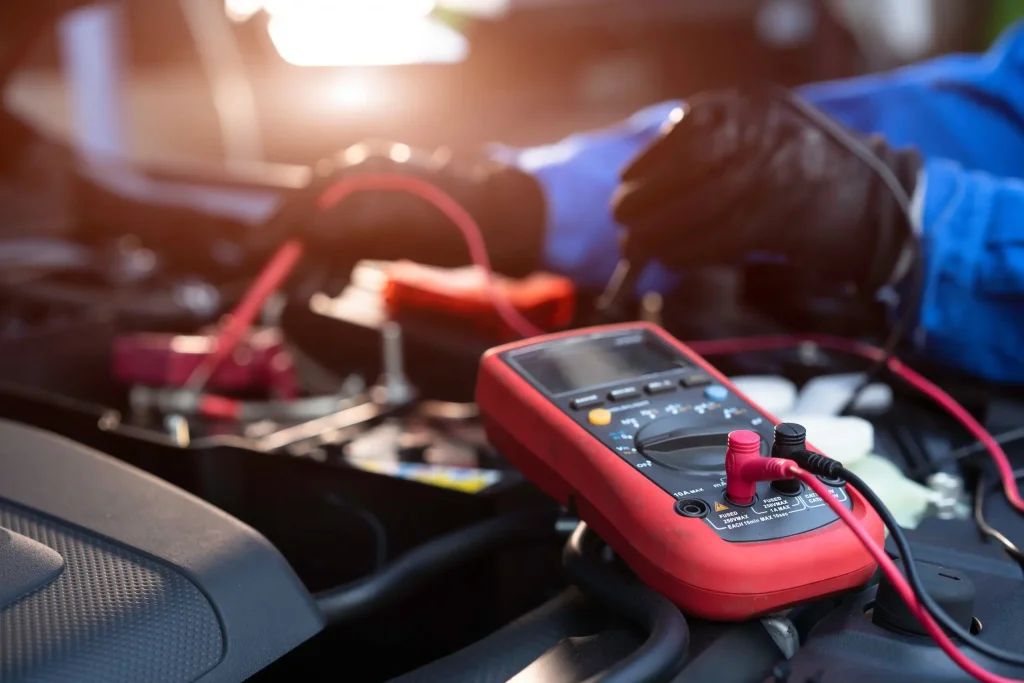
A simple visual check is often enough. A flashlight, gloves, and a wire brush can help inspect tight spots. If unsure, a multimeter can test voltage for signs of power loss.
Is it possible to clean battery corrosion at home, and how?
Yes, it can be cleaned at home. Use gloves, a wire brush, and a mix of baking soda and water. Scrub the corrosion off the terminals, rinse, and dry fully before reconnecting.
When should a corroded battery be replaced instead of cleaned?
Replace the battery if the corrosion returns often, the case is cracked, or if the battery is more than 3–5 years old.
Ready to Address Battery Corrosion? Explore Our Chevy Lineup for Your Next Adventure!
If you think your battery may be corroded, don’t wait. Reach out to the Southern California Chevy Dealers for help. Our team is here to answer your questions, check your battery, or guide you through your options.
We invite drivers from across Southern California to browse our wide lineup of Chevy vehicles. From strong and bold trucks like the Silverado, to compact and ready SUVs like the Trax, there’s something for everyone. Families love the space in the Equinox, while the Blazer adds a stylish edge to any drive.
Looking to take your next ride into the wild? Whether you're heading to a trail, scenic road, or campground, Chevy can take you there. Check out our tips on state park trips, scenic drives nearby, and the best camping spots to plan your perfect escape.
Ready to learn more or take a test drive? Visit us today and let us help you find your next Chevy.
Disclaimer: All information is provided for general informational and entertainment purposes only. While we strive for accuracy, we cannot guarantee that all content is complete, current, or error-free. Any reliance you place on such information is strictly at your own risk. This article may include opinions and is not endorsed by, or officially affiliated with, any vehicle manufacturer or brand. Always consult official sources – such as the vehicle’s owner’s manual, authorized dealerships, or certified professionals – for the most up-to-date and personalized information.